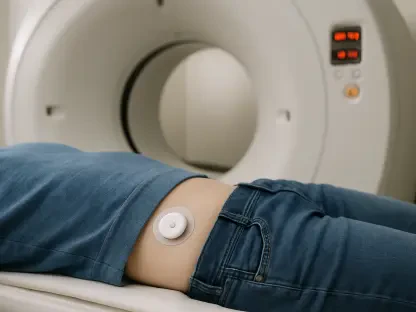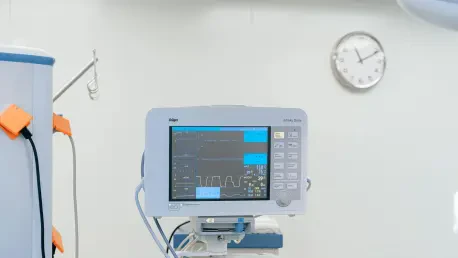

The foundational architecture of contemporary medical diagnostics is currently undergoing a quiet but profound transformation as original equipment manufacturer modules redefine the functional boundaries of patient monitoring. These sophisticated sub-assemblies act as the essential nervous system for a vast array of medical devices, providing the specialized sensors and processing power necessary to capture pulse oximetry, blood pressure, electrocardiography, and thermometry data with clinical precision. By integrating these pre-engineered components, device manufacturers can bypass the long and expensive process of developing core sensing technologies from scratch, allowing them to focus instead on user interface design and specialized application features. As the global healthcare landscape moves toward a model characterized by high-density data and decentralized care, these integrated modules are emerging as the primary infrastructure supporting the next generation of monitoring solutions. This shift ensures that even small-scale innovators can deploy hospital-grade diagnostic capabilities across diverse platforms, significantly lowering the barrier to entry for life-saving medical technology.
The Shift Toward Remote and Connected Healthcare
The landscape of patient care has experienced a massive shift toward decentralization, driven by the realization that continuous monitoring outside traditional clinical walls offers superior long-term outcomes for chronic disease management. This movement has created a permanent and growing demand for original equipment manufacturer modules that deliver hospital-grade accuracy within the domestic environment, bridging the gap between clinical settings and home care. As a result, engineering efforts are now heavily focused on developing modules that can be seamlessly integrated into user-friendly home devices, allowing physicians to monitor recovery and chronic conditions from a distance with absolute confidence in the data’s integrity. These components must manage the dual challenge of high-fidelity performance and simplified user interaction, ensuring that patients can operate complex diagnostic tools without specialized medical training. This evolution is turning the home into a primary site for health data generation, fundamentally changing how doctors and patients interact during the treatment process.
This heightened demand for reliable data extends from specialized medical environments into the broad consumer electronics space, where the distinction between clinical devices and lifestyle wearables is rapidly disappearing. Modern modules are being engineered for high-fidelity performance in high-stakes environments like emergency rooms while simultaneously meeting the strict power-efficiency requirements of consumer-facing wristbands and smart jewelry. This versatility ensures that whether a patient is currently in a surgical suite or sitting in their living room, their vital data remains accessible and accurate, forming a reliable backbone for the Internet of Medical Things. The integration of these sensors into everyday objects allows for a more holistic view of a patient’s health history, capturing fluctuations that might be missed during a standard clinic visit. By providing a continuous stream of verified physiological data, these modules enable a proactive approach to wellness where the primary focus is on maintaining health rather than just treating illness after it occurs.
Core Technologies and Product Segmentation
The current market is defined by several specialized segments, each focusing on a specific physiological parameter with an emphasis on improving accuracy while reducing the physical footprint of the hardware. Blood pressure modules are rapidly evolving toward cuffless designs that utilize photoplethysmogram sensors, while heart rate and electrocardiography modules are becoming standard features in both bedside monitors and sophisticated fitness trackers. Perhaps most notable is the rise of multi-parameter modules, which combine several distinct sensors into a single, unified unit to streamline the manufacturing of complex diagnostic devices. These consolidated systems reduce the overall footprint of the final hardware, simplifying the assembly process and allowing for the creation of smaller, more ergonomic products that do not sacrifice performance for portability. This trend toward integration is allowing manufacturers to pack an unprecedented amount of diagnostic power into devices that were previously too small to house such complex electronics.
Strategic innovation in the hardware space is heavily focused on the twin pillars of miniaturization and wireless connectivity, as leading firms engage in a race to make health-tracking components nearly invisible. Semiconductor and engineering organizations are dedicating significant resources to reducing power consumption and board size, aiming to embed high-performance health sensors into the very fabric of daily life without requiring bulky batteries or wired connections. Furthermore, by ensuring these modules are pre-certified for rigorous regulatory standards such as those set by the FDA and CE, providers significantly reduce the time and cost required for device manufacturers to bring new innovations to the global market. This pre-certification is a critical value proposition, as it allows companies to navigate the complex legal landscape of medical hardware with greater speed and lower risk. The result is an industry that is more agile and capable of responding to emerging health challenges with hardware that is both cutting-edge and legally compliant.
Navigating Industry Challenges and Security
Despite the optimistic growth projections seen through 2031, the industry faces substantial hurdles, particularly regarding the high cost of research and development and the navigation of increasingly complex regulatory landscapes. Designing sensors that can accurately read biological signals across a diverse population of users requires an immense investment in testing and validation to ensure that the hardware performs reliably under varied conditions. Navigating the legal requirements of different global regions remains a time-consuming process that requires a dedicated workforce of regulatory experts and significant financial capital. These barriers to entry mean that only the most committed and well-funded organizations can lead the market, creating a competitive environment where quality and compliance are the primary differentiators. Manufacturers must balance the need for rapid innovation with the absolute necessity of maintaining clinical standards, a tension that defines much of the strategic decision-making in the current sensor development sector.
As these diagnostic modules become more connected through cloud-based platforms and mobile applications, cybersecurity and data privacy have become paramount concerns for both manufacturers and end-users. Original equipment manufacturers must implement robust encryption and secure transmission protocols to protect sensitive patient information from an evolving array of cyber threats that target medical infrastructure. This focus on security is not just a technical requirement but a fundamental part of maintaining the trust of the healthcare providers and patients who rely on these devices for life-critical information. Because a single data breach can have devastating consequences for a company’s reputation and patient safety, the industry is seeing a major shift toward hardware-level security features. Integrating dedicated security chips and encrypted memory directly into the vital sign modules ensures that the data is protected from the moment it is captured by the sensor. This holistic approach to security is becoming a standard expectation in the market as the value of health data continues to rise.
Future Prospects and Implementation Strategy
Looking toward the end of the decade, the vital sign module market is poised to embed health monitoring into the very fabric of daily life through unconventional integrations. We can expect to see these sensors embedded into smart clothing that monitors athletic performance and recovery, automotive interiors that track driver fatigue or cardiac distress, and even household furniture that monitors sleep quality. By providing the essential data backbone for these diverse innovations, original equipment manufacturer modules will continue to be a foundational element in the effort to improve global healthcare accessibility. This expansion into non-traditional environments means that health monitoring will no longer be a conscious activity but a passive background process that provides continuous protection. The ability to monitor health in real-time within a car or a home environment opens new possibilities for early intervention and personalized care that were previously impossible, creating a more resilient and responsive healthcare ecosystem for everyone.
The historical trajectory of medical hardware demonstrated that the most effective solutions were those that prioritized seamless integration and data reliability over flashy consumer features. Organizations that invested in high-precision sensing modules successfully navigated the transition to remote care by providing clinical-grade tools that patients could use with confidence. This strategy allowed healthcare providers to extend their reach beyond the hospital, creating a more sustainable model for managing chronic conditions and aging populations. The industry eventually adopted a standardized approach to connectivity and data security, which ensured that information could move freely between different platforms while remaining protected from unauthorized access. These advancements solidified the role of integrated modules as the primary drivers of medical innovation, proving that the most important technology is often the one that functions invisibly in the background. Moving forward, the focus shifted toward utilizing this wealth of data to develop more personalized and effective treatment plans for patients across the globe.