
The rapid integration of artificial intelligence into the clinical environment has fundamentally shifted the traditional foundations of medical practice from subjective intuition to data-driven precision. Historically, a physician’s decision-making process was a solitary endeavor, heavily reliant on personal experience, local mentorship, and the periodic review of static medical literature that often lagged behind the latest scientific discoveries. This traditional model, while foundational, frequently struggled to keep pace with the exponential growth of medical data and the increasing complexity of patient comorbidities. Today, the healthcare industry is witnessing a transition where AI-powered tools serve as an essential extension of the clinician’s cognitive capabilities, providing real-time insights that were previously buried in fragmented electronic health records. This evolution is not merely a technical upgrade but a paradigm shift that redefines the clinical encounter, allowing practitioners to navigate the uncertainties of medicine with a level of clarity and speed that ensures safer, more effective patient outcomes across various care settings.
The evolution of clinical judgment has traversed several distinct eras, culminating in the current age of AI-augmented decision-making that prioritizes proactive intervention over reactive treatment. In the earliest stages, healthcare was primarily experience-based, where the quality of care was inextricably linked to the individual practitioner’s years of service and anecdotal observations. This eventually gave way to evidence-based medicine, which standardized care through clinical trials and peer-reviewed guidelines, yet still relied on a “one-size-fits-all” approach to population health. The advent of digital record-keeping introduced data-driven medicine, but it is the current integration of machine learning that allows for a dynamic interpretation of patient history. Unlike older systems that operated on rigid logic, modern AI analyzes longitudinal data to identify subtle patterns, shifting the medical focus from managing acute symptoms to predicting health trajectories. This transition ensures that the healthcare system is no longer just a safety net for the sick but a sophisticated engine for maintaining wellness through early detection and personalized strategy.
Key Features Distinguishing AI from Traditional Systems
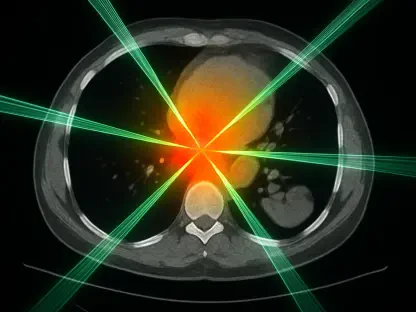
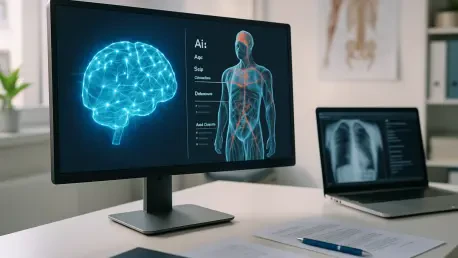
A primary differentiator between modern artificial intelligence and traditional clinical support tools lies in the ability to synthesize massive volumes of both structured and unstructured data in a matter of seconds. While legacy software might flag a drug-to-drug interaction based on a simple database query, AI models can simultaneously ingest laboratory results, genomic sequences, and even unstructured physician notes to provide a holistic view of the patient’s status. This capacity is particularly transformative in high-stakes environments like the intensive care unit, where the speed at which information is processed can determine the success of an intervention. By analyzing medical imaging alongside real-time vitals, these systems identify anomalies that might escape the human eye, such as early-stage pulmonary nodules or subtle signs of sepsis. This level of comprehensive analysis ensures that no piece of information remains isolated, allowing clinicians to make decisions based on a complete and synchronized digital representation of the patient’s health.
Building upon this speed of processing, AI systems are distinguished by their inherent capability for continuous learning and the delivery of highly personalized treatment pathways. Traditional medical guidelines are often updated every few years, but machine learning algorithms refine their logic with every new data point they encounter, becoming more accurate as they are exposed to diverse patient populations. This iterative improvement facilitates the transition toward precision medicine, where a treatment plan is tailored to the individual’s unique genetic makeup, lifestyle habits, and environmental exposures. For instance, in oncology, AI can compare a patient’s tumor profile against millions of other cases to suggest the most effective chemotherapy regimen, moving away from generalized protocols that may have varying degrees of success. By focusing on the specific needs of the individual rather than the average needs of a demographic, AI-driven systems empower providers to deliver care that is as unique as the patients they serve, significantly improving the efficacy of long-term health management.
Impact on Clinical Accuracy and Patient Safety
The implementation of artificial intelligence in acute care settings has proven to be a critical factor in maintaining high levels of predictive accuracy during the most stressful clinical moments. In the chaotic environment of an emergency department, clinicians are often forced to make split-second decisions with incomplete information, a scenario that traditionally increases the risk of diagnostic oversight. Research into AI-based clinical decision support systems indicates that these tools maintain a high area under the receiver operating characteristic curve (AUROC), often exceeding 0.8, which translates to a reliable ability to distinguish between stable and deteriorating patients. By providing early warning alerts for conditions such as cardiac arrest or respiratory failure, AI allows medical teams to initiate life-saving interventions minutes or even hours before physical symptoms become obvious. This proactive safety net ensures that even during peak patient volumes, the standard of care remains consistent, protecting both the patient and the institution from the consequences of delayed treatment.
Beyond the immediate needs of emergency care, AI is making significant strides in reducing the persistent challenge of human error within primary and specialized medical practices. Diagnostic errors and treatment inconsistencies remain leading causes of patient harm, often stemming from cognitive biases or the sheer volume of information a doctor must track. Real-world applications of AI-assisted tools in primary care environments have demonstrated a reduction in diagnostic errors by roughly 16%, while treatment errors have seen a decline of approximately 13%. These systems act as a vigilant second pair of eyes, cross-referencing every prescription and diagnosis against the latest global clinical guidelines and the patient’s specific medical history. This constant oversight helps to catch potential contraindications or missed diagnoses that could lead to hospital readmissions. By standardizing the application of medical knowledge through these digital safeguards, healthcare providers can ensure a higher baseline of reliability, ultimately fostering a culture of safety that benefits the entire medical community.
Enhancing Workflow and Administrative Efficiency
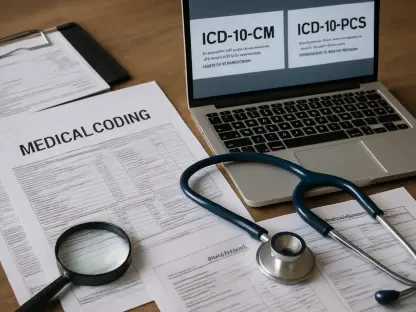
Artificial intelligence is effectively revolutionizing the “hidden” or administrative aspects of medicine, which have long been a source of significant cognitive burden and professional burnout for clinicians. By automating the labor-intensive tasks of clinical documentation, triage, and risk stratification, AI allows healthcare professionals to reclaim their time and refocus on the human element of patient care. In many modern practices, AI-powered ambient listening tools now record and summarize patient encounters, automatically generating accurate medical notes and coding them for billing purposes without requiring the doctor to type a single word. This reduction in “screen time” during appointments not only improves the doctor-patient relationship but also ensures that medical records are more comprehensive and compliant with regulatory standards. When clinicians are freed from the drudgery of data entry, they can engage more deeply with their patients, leading to better diagnostic interviews and a more empathetic care experience.
The operational benefits of AI extend deeply into the administrative infrastructure of healthcare organizations, particularly in areas like provider credentialing and revenue cycle management. Verification of medical licenses, certifications, and educational backgrounds was traditionally a manual process that could take months, delaying the onboarding of new physicians and creating bottlenecks in care delivery. Modern AI-driven credentialing services use automated verification technologies to cross-reference multiple databases instantly, reducing the processing time from weeks to days while ensuring total regulatory compliance. Furthermore, in specialized fields such as mental health, AI-driven management platforms assist in predicting patient relapse risks and optimizing complex treatment schedules, ensuring that administrative tasks do not hinder clinical outcomes. By streamlining these behind-the-scenes processes, AI ensures that healthcare facilities operate at peak efficiency, allowing resources to be allocated where they are most needed—at the bedside and in the consultation room.
Challenges and the Future of Collaborative Intelligence
The integration of artificial intelligence into the clinical workflow is not without its hurdles, as the medical community must address issues of algorithmic bias and the lack of transparency in “black box” models. If the datasets used to train these algorithms are not sufficiently diverse, there is a significant risk that the AI may provide biased recommendations that could exacerbate health disparities among different socioeconomic or ethnic groups. To mitigate these risks, the industry is increasingly moving toward “Explainable AI” (XAI), which prioritizes transparency by showing the clinician exactly which data points led to a specific suggestion or risk score. This transparency is vital for building trust, as doctors are more likely to adopt a technology if they can understand and validate its underlying logic. Additionally, as these systems become more prevalent, maintaining robust data privacy and preventing an over-reliance on technology are essential to ensuring that AI remains a tool for empowerment rather than a replacement for professional judgment.
The future of the healthcare industry lies in a model of “Collaborative Intelligence,” where the synergy between human expertise and machine processing creates a new gold standard of care. In this framework, AI manages the heavy lifting of data analysis, pattern recognition, and predictive modeling, while the human clinician provides the final, nuanced decision based on ethics, empathy, and complex reasoning. We are already seeing the emergence of AI “copilots” that offer real-time support during surgeries and physical exams, as well as multimodal systems that integrate genetic data with lifestyle monitoring from wearable devices. These advancements suggest that the next decade will be defined by a more holistic and integrated approach to medicine, where technology and humanity work in tandem to solve the most difficult health challenges. By embracing this partnership, the medical field can move toward a future where every clinical decision is informed by the sum of human knowledge, delivered with the precision of a machine and the compassion of a dedicated caregiver.
The implementation of artificial intelligence has successfully transitioned from a specialized research interest into a foundational component of modern clinical decision-making. Over the course of this development, AI-powered systems have demonstrated their ability to process complex datasets, reduce human error, and streamline the administrative burdens that previously hindered the delivery of care. While the industry continues to navigate the complexities of algorithmic bias and data security, the progress made by integrated platforms has established a clear pathway for the future of medicine. These technologies have not replaced the clinician but have instead provided the tools necessary to meet the demands of a more complex and data-rich healthcare environment. Ultimately, the successful adoption of these innovations has depended on a commitment to ethical standards and a focus on collaborative intelligence, ensuring that technology serves as a bridge to more personalized and effective patient outcomes. The lessons learned during this period of integration have set the stage for a more resilient and efficient healthcare system that prioritizes precision and safety above all else.