
The landscape of modern healthcare has transitioned rapidly toward home-based solutions, yet this evolution has inadvertently opened a sophisticated gateway for criminal networks to target vulnerable populations through elaborate remote monitoring schemes. Medicare fraud remains a persistent and multi-billion-dollar drain on the federal budget, with estimates suggesting losses exceeding sixty billion dollars annually. While the technological shift toward Remote Patient Monitoring, or RPM, has significantly improved the quality of life for seniors managing chronic conditions such as diabetes or hypertension, it has also provided a convenient cover for illicit activities. Scammers are increasingly leveraging the perceived legitimacy of these programs to deceive older adults into sharing their sensitive identification details. By masquerading as established health representatives, these bad actors manage to compromise the personal security of millions, highlighting a critical need for enhanced awareness and systemic safeguards in the current healthcare environment.
Identifying The Tactics of Digital Healthcare Fraud
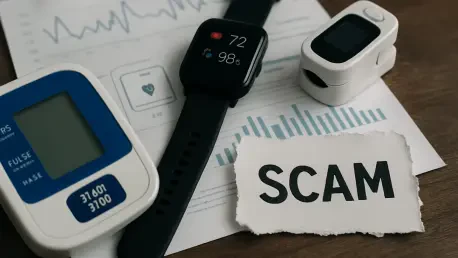
Exploitative tactics often begin with a deceptively simple premise, such as a phone call or a targeted social media advertisement offering advanced medical equipment at no personal cost to the beneficiary. These fraudulent agents frequently adopt the personas of pharmacy technicians, clinical coordinators, or even government officials to gain the trust of their targets before requesting Medicare numbers under the guise of verifying eligibility. Once the data is obtained, the scammers initiate a series of unauthorized charges for expensive hardware like glucose monitors, pulse oximeters, and blood pressure cuffs that the senior never requested or required. Beyond the physical devices, these criminal entities often bill for ongoing monthly monitoring services and setup fees that are never actually rendered, siphoning funds from the federal program while cluttering a patient’s medical history with inaccurate records. This manipulation of clinical trust not only jeopardizes the financial stability of Medicare but also creates a hazardous digital trail that could complicate legitimate future medical care for the senior involved.
The complexity of these scams is further compounded by the use of telemarketing centers that operate across international borders, making it exceptionally difficult for local law enforcement to track the origin of the initial contact. Building on this deceptive foundation, scammers often use high-pressure tactics or create a false sense of urgency, suggesting that a senior will lose their current benefits if they do not upgrade to the newest remote monitoring technology immediately. This psychological manipulation is designed to bypass the natural skepticism of the recipient, leading them to disclose personal information before they have time to consult with their actual primary care physician. In many instances, the equipment arrives in the mail without instructions, or perhaps no equipment arrives at all, yet the billing continues on a monthly basis. The persistent nature of these fraudulent claims means that a single breach of information can lead to months of financial leakage, underscoring the vital importance of examining every Medicare Summary Notice with a high degree of scrutiny to detect anomalies as early as possible.
Proactive Measures for Personal Data Security
Maintaining a posture of healthy skepticism serves as the first line of defense against those who wish to weaponize medical technology for financial gain. Seniors and their caregivers are encouraged to adopt a policy of never sharing Medicare numbers or Social Security information with anyone who initiates contact via an unsolicited phone call, text message, or email. Legitimate healthcare providers and government agencies almost never request sensitive personal data in this manner, particularly when offering new equipment or services. If a monitoring device is truly necessary for a patient’s health, the recommendation should come directly from a trusted physician during a scheduled appointment or a secure telehealth session. Verifying any offer by calling a known clinic or the official Medicare helpline ensures that the senior remains in control of their healthcare journey. This approach naturally leads to a more secure environment where the individual determines which services are integrated into their daily routine, effectively neutralizing the primary method scammers use to infiltrate the household.
Beyond individual caution, the utilization of community-based resources provides a robust network of support for those who may have already been targeted or feel uncertain about a recent interaction. Organizations like the New York StateWide Senior Action Council and the Senior Medicare Patrol offer specialized counselors who are trained to distinguish between valid medical services and deceptive billing practices. These advocates provide a critical service by helping residents navigate the reporting process, which involves documenting the details of the suspicious contact and notifying the appropriate federal authorities to halt fraudulent payments. Engaging with these educational programs allows seniors to stay informed about the latest trends in digital fraud, as scammers frequently adapt their methods to circumvent existing security measures. By participating in local workshops and staying connected with consumer protection groups, older adults can transform from potential targets into informed watchdogs. This collective vigilance not only protects the individual but also strengthens the integrity of the healthcare system for everyone by reducing the overall prevalence of successful fraud.
Future Safeguards and Actionable Next Steps
The battle against remote patient monitoring fraud required a multifaceted response that integrated personal responsibility with broader institutional oversight and advanced technological detection. It became evident that protecting the aging population involved more than just technical solutions; it required a cultural shift toward continuous education and the normalization of reporting even minor suspicious activities to the Senior Medicare Patrol. Beneficiaries who regularly reviewed their medical statements for unrecognized services were far more successful at stopping scams before they escalated into significant financial losses. Furthermore, the proactive involvement of family members and local community organizations provided a necessary safety net for those who might have felt overwhelmed by the increasing complexity of digital health platforms. The focus shifted toward empowering seniors to verify every medical request through their primary physicians, ensuring that no device or service was accepted without a clear clinical necessity. These collective efforts eventually contributed to a more resilient healthcare infrastructure where transparency and verification served as the primary deterrents against opportunistic criminal networks.