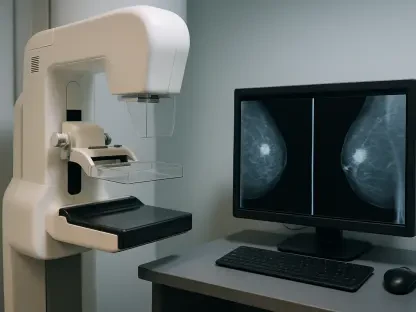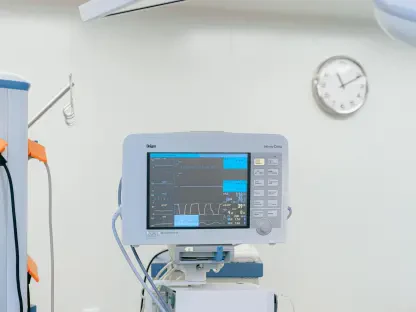

The clinical encounter has traditionally served as the primary window into a patient’s health, yet this approach captures only a fleeting moment in the complex, daily reality of living with a chronic condition. For decades, medical professionals have relied on these periodic “snapshots”—blood pressure readings taken in a sterile office or heart rate measurements recorded during a brief physical exam—to make long-term treatment decisions. However, this episodic model is fundamentally limited because it fails to account for the environmental triggers, physical stressors, and behavioral nuances that occur between appointments. Today, the rapid proliferation of digital biomarkers is bridging this diagnostic gap by providing a continuous, high-definition view of patient physiology. By leveraging data from sophisticated sensors and mobile platforms, the healthcare industry is shifting from a reactive posture, where interventions occur only after symptoms worsen, to a proactive strategy that emphasizes early detection and personalized prevention.
Technological Foundations and Clinical Evidence
Bridging the Gap Between Data and Action
Modern medical devices have evolved far beyond simple step counters, maturing into clinical-grade instruments capable of detecting subtle physiological shifts. These tools include high-fidelity wearable ECG patches that monitor for arrhythmias, smart inhalers that log the exact time and location of rescue medication usage, and specialized motion sensors that analyze gait patterns to predict fall risks. The primary challenge in this data-rich environment is not the collection of information itself, but the extraction of meaningful signals from the surrounding noise. To address this, cloud-based analytics platforms employ machine learning algorithms to process thousands of data points, distilling them into actionable risk scores. These scores enable clinical teams to prioritize their workflows, focusing their attention on high-risk individuals whose biometric trends suggest an impending exacerbation, such as a sudden weight gain in a heart failure patient indicating fluid retention.
Effective integration of these insights into the clinical workflow requires more than just sophisticated software; it demands a seamless connection between the patient’s home and the provider’s decision-making process. When a digital biomarker platform identifies a deviation from a patient’s baseline, it must trigger a specific, tiered response rather than just adding another notification to a crowded dashboard. This structural evolution allows for “intervention by exception,” where clinicians spend less time reviewing healthy data and more time addressing the specific needs of patients in distress. By transforming raw sensor outputs into prioritized task lists, healthcare organizations are successfully reducing the lag time between the onset of a physiological change and the delivery of medical care. This transition is essential for managing conditions like diabetes or hypertension, where daily fluctuations can have a profound impact on long-term outcomes and overall quality of life.
Validating Technology Through Scientific Rigor
While the technological potential of remote monitoring is undeniable, the medical community remains focused on establishing a robust foundation of peer-reviewed evidence to justify widespread adoption. Initial clinical trials have yielded encouraging results, particularly in the management of congestive heart failure and chronic obstructive pulmonary disease. For instance, recent studies have demonstrated that patients using connected weight scales and blood pressure cuffs experience significantly lower hospital readmission rates compared to those receiving traditional care. These successes are largely attributed to the ability of digital biomarkers to catch early warning signs of decompensation, allowing for medication adjustments that prevent the need for emergency room visits. However, researchers emphasize that short-term improvements in adherence or readmission metrics do not always translate into improved long-term survival, necessitating continued longitudinal study.
Regulatory bodies are simultaneously raising the bar for the validation of the algorithms that drive these digital health tools. There is an increasing demand for prospective evaluations that test these systems across diverse patient populations to ensure that a digital biomarker developed for one demographic remains accurate for another. This focus on scientific rigor is intended to mitigate the risk of “algorithmic drift,” where the predictive power of a tool diminishes over time or fails in real-world settings. Furthermore, clinicians are wary of the potential for false alarms, which can lead to unnecessary medical interventions and increased patient anxiety. Consequently, the current phase of development is characterized by a push for high-specificity models that can distinguish between a benign fluctuation and a clinically significant event. This balanced approach ensures that the “hype” surrounding digital health is tempered by the same evidentiary standards applied to pharmaceuticals.
Navigating Systemic and Ethical Challenges
Overcoming Operational Hurdles and Alert Fatigue
The implementation of continuous monitoring systems introduces significant operational complexities, chief among them being the phenomenon known as “alert fatigue.” When healthcare providers are inundated with a constant stream of low-priority notifications, the risk of missing a critical life-saving alert increases dramatically. To combat this, the industry is moving toward advanced data interoperability standards that allow digital biomarker platforms to communicate directly with existing Electronic Health Records. By embedding these insights into the tools clinicians already use, organizations can streamline the review process and ensure that biometric data is contextualized with the patient’s full medical history. This technical synergy is vital for preventing the fragmentation of care that often occurs when new technologies are introduced in isolation, ensuring that every data point contributes to a unified clinical picture.
Beyond the technical architecture, the successful scaling of remote monitoring requires a fundamental redesign of existing care pathways. Technology alone cannot improve health outcomes; it must be supported by a human infrastructure that defines exactly who is responsible for responding to a triggered alert and what specific clinical protocols should be followed. This often involves the creation of specialized “virtual care centers” where nurses and technicians monitor patient dashboards in real-time, escalating only the most urgent cases to physicians. This stratified approach ensures that the medical staff is not overwhelmed by the volume of incoming data, while simultaneously providing patients with the reassurance that their health is being watched over. Redesigning these workflows is perhaps the most difficult aspect of the digital transition, as it requires changing deeply ingrained institutional habits and reassessing how medical labor is valued and reimbursed.
Addressing the Digital Divide and Ethical Governance
The promise of digital biomarkers is often tempered by the reality of the “digital divide,” which refers to the unequal access to the technology and infrastructure required for remote care. In many regions, high-speed internet access remains a luxury, and many elderly or socioeconomically disadvantaged patients may lack the digital literacy necessary to operate complex health devices. If these barriers are not addressed, there is a legitimate concern that digital health could inadvertently widen existing health disparities, benefiting only those who are already tech-savvy and well-connected. To prevent this outcome, healthcare leaders are advocating for “inclusive design” principles, creating devices that are intuitive, require minimal setup, and operate reliably even in areas with poor connectivity. Equity must be a primary design requirement rather than an afterthought if these tools are to serve the entire population.
Ethical considerations also extend to the transparency and governance of the data being collected. Patients are increasingly concerned about who owns their physiological information and how it might be used by third parties, such as insurance companies or employers. Establishing trust requires clear, transparent policies regarding data privacy and the prevention of algorithmic bias. Because many machine learning models are “black boxes,” it is often difficult to understand how they arrive at a particular risk score, which can lead to discriminatory outcomes if the underlying data is skewed. Consequently, health systems are beginning to implement regular audits of their digital tools to ensure fairness and accuracy. By prioritizing ethical governance and data security, the industry can build the public trust necessary for digital biomarkers to become a permanent and respected fixture of the modern medical landscape.
Refining the Future of Integrated Care
The transition toward a digitally integrated healthcare system reached a critical turning point as organizations moved away from isolated pilot programs toward systemic adoption. This evolution was characterized by a shift in focus from the sheer volume of data collected to the clinical utility of the insights generated. Decision-makers learned that the most effective strategies were those that prioritized patient empowerment, using digital biomarkers not just as a surveillance tool, but as a means to help patients understand and manage their own conditions. By providing individuals with real-time feedback on how their lifestyle choices affected their biometrics, providers were able to foster a deeper sense of engagement and accountability. This educational component proved to be just as important as the medical interventions themselves, as it equipped patients with the knowledge to maintain their health outside of the clinical setting.
Ultimately, the successful integration of digital biomarkers into routine chronic disease management required a holistic approach that combined technology, policy, and human-centric design. Healthcare systems that invested in training their staff and auditing their algorithms saw the most significant gains in both patient satisfaction and clinical efficiency. As the industry moved forward, the goal remained focused on creating a more responsive and equitable system that could meet the needs of a diverse population. The journey proved that while sensors and software are powerful catalysts for change, the true value of digital health lies in its ability to strengthen the relationship between patients and their care teams. By focusing on measurable health improvements and sustainable implementation, the medical community ensured that these technological advancements resulted in tangible benefits for those living with chronic illnesses.