
Living with a constant, debilitating pressure inside the skull that mimics the symptoms of a growing brain tumor represents a terrifying reality for many individuals diagnosed with idiopathic intracranial hypertension. This neurological condition, commonly known as IIH, is characterized by an unexplained buildup of cerebrospinal fluid pressure that leads to chronic, searing headaches, cognitive fog, and a high risk of permanent vision loss. Historically, the medical community relied on pharmaceutical management or aggressive weight loss protocols to mitigate these symptoms, but such interventions often proved insufficient for patients suffering from severe venous stenosis. For these individuals, the lack of a specialized, regulatory-cleared surgical option created a frustrating cycle of recurring symptoms and progressive optic nerve damage. The recent granting of a humanitarian device exemption by the FDA for the River stent marks a pivotal shift in this narrative, providing the first specialized tool designed to address the mechanical vascular narrowing that often underlies this complex disorder.
Innovative Engineering: The Mechanics of the River Stent
Structural Support for Narrowed Cerebral Veins
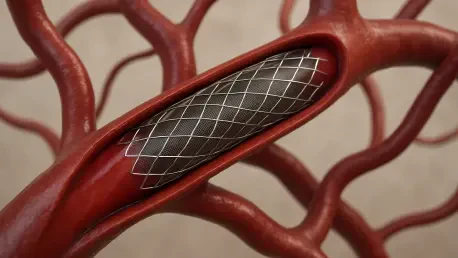
The fundamental challenge in treating many IIH patients lies in the physical narrowing of the dural venous sinuses, which prevents the efficient drainage of blood and fluid from the cranial vault. This structural bottleneck causes a backup of pressure that eventually impacts the optic nerves and the surrounding brain tissue, leading to the characteristic symptoms of the disease. The River stent functions as a permanent internal scaffold, engineered specifically to withstand the unique pressures within the cerebral venous system while remaining flexible enough to navigate the delicate vascular anatomy of the brain. By mechanically expanding these narrowed segments, the device restores a more natural flow of blood, effectively lowering the global intracranial pressure. This targeted approach represents a departure from more invasive procedures, such as the placement of shunts, which carry higher risks of infection and failure. The deployment of a dedicated venous stent allows neurointerventionalists to treat the anatomical root cause of the pressure with a degree of precision that was previously difficult to achieve.
Validating Efficacy through Clinical Rigor
Safety and performance benchmarks for this technology were established through a focused clinical trial involving thirty-nine subjects who demonstrated the clear benefits of venous stenting in a controlled setting. The study revealed that the intervention was remarkably safe, with a major adverse event rate of only 5.4 percent, a figure that provides significant reassurance to both clinicians and patients considering the procedure. Beyond safety, the efficacy data showed a dramatic reduction in cerebrospinal fluid pressure and a measurable improvement in papilledema, which is the swelling of the optic disc that threatens eyesight. Patients also reported a significant decrease in pulsatile tinnitus, the rhythmic whooshing sound in the ears that often accompanies elevated cranial pressure. These objective clinical improvements were reflected in the patients’ reported quality of life scores, suggesting that the physiological changes translated directly into meaningful daily relief. By providing a standardized pathway for treatment, the study confirmed that mechanical intervention is a viable alternative for those who do not respond to drugs.
Navigating the New Clinical Reality: Broadening Patient Access
Specialized Solutions for High-Risk Populations
The demographic most affected by idiopathic intracranial hypertension consists primarily of women between the ages of twenty and fifty, particularly those living with obesity, who face a unique set of healthcare challenges. For these patients, the disease is not merely a medical diagnosis but a profound disruption to their professional and personal lives, often leading to long-term disability if left unmanaged. Before the arrival of the River stent, these women frequently found themselves in a therapeutic vacuum where medical therapies failed, yet no approved surgical devices existed specifically for their condition. The introduction of this stent under the humanitarian device exemption creates a vital safety net for those facing immediate threats to their vision or those who have struggled through six months of ineffective pharmaceutical treatment. By tailoring the device to the specific anatomical needs of this population, the healthcare system can now offer a more equitable and effective intervention that recognizes the specific pathology of venous stenosis in IIH, moving away from the one-size-fits-all approach.
Long-Term Implications for Neurointerventional Medicine
The medical landscape for refractory IIH shifted as practitioners integrated the first approved venous stent into standard neurointerventional workflows. This transition allowed surgical teams to move beyond the off-label use of biliary or arterial stents, which were never optimized for the thin walls and low-pressure environment of the cerebral veins. Clinicians observed that having a specialized tool reduced the complexity of the stenting procedure and improved the predictability of patient outcomes. Hospitals and neurological centers began establishing more robust screening protocols to identify candidates for stenting earlier in the disease progression, potentially preventing the irreversible vision loss that occurs when intracranial pressure remains high for too long. The success of this regulatory milestone encouraged further investment in specialized neurovascular hardware, ensuring that the technology continued to evolve alongside a better understanding of venous anatomy. Ultimately, the availability of the River stent provided a definitive solution that reconciled clinical necessity with advanced engineering, setting a new benchmark for how complex neurological conditions were managed.