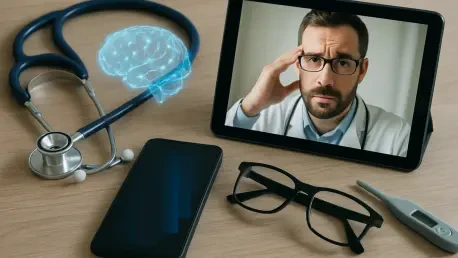

The mounting pressure on global life sciences organizations has reached a critical tipping point as workforce attrition threatens the very foundation of decentralized clinical trials and remote patient care. While the transition to remote monitoring was initially celebrated for its ability to broaden patient diversity and reduce site-based overhead, the hidden cost has manifested in an unprecedented wave of professional burnout. Current data from 2026 suggests that nearly a third of healthcare professionals involved in high-intensity data monitoring are experiencing significant psychological distress, with many planning to exit the field entirely within the next twenty-four months. This crisis is not merely a matter of human resources but a fundamental threat to operational continuity and the integrity of clinical data. When a skilled monitor leaves mid-study, the resulting knowledge gap can delay drug approvals and escalate costs by millions of dollars. Consequently, the industry is moving away from traditional staffing models toward AI-augmented managed service providers that treat retention as a predictive science rather than a reactive administrative task. By leveraging deep learning and real-world data, these strategic partners are beginning to stabilize the remote workforce, ensuring that the human element of healthcare remains resilient in an increasingly digital environment.
1. Predictive Risk Assessment and Digital Footprinting
Traditional methods of tracking employee satisfaction, such as annual engagement surveys or exit interviews, have proven largely ineffective because they capture information only after the decision to leave has already been made. AI-augmented managed service providers are now utilizing machine learning algorithms to scan “digital footprints” within the workplace to identify early warning signs of disengagement. These systems analyze subtle shifts in communication patterns, response times, and platform login behaviors to flag individuals who may be reaching a state of professional exhaustion. For instance, a sudden decrease in the frequency of peer-to-peer interactions or a consistent delay in completing non-critical administrative tasks can serve as a leading indicator of attrition risk. Unlike manual oversight, these AI models can process vast quantities of anonymized data across thousands of remote employees simultaneously, providing a directional perspective that allows managers to intervene months before a formal resignation is ever submitted. This proactive stance transforms the role of the supervisor from a crisis manager into a supportive coach who can offer resources at the exact moment they are most needed.
The effectiveness of these predictive models is rooted in their ability to distinguish between temporary stress and chronic burnout, which is essential for maintaining a stable clinical monitoring environment. Recent studies in 2026 have highlighted the success of the Random Forest and SHAP algorithms in providing HR managers with actionable insights into the specific determinants of turnover. By weighing factors such as tenure, caseload complexity, and recent overtime trends, these systems assign an attrition risk score to each team member. This data-driven approach removes much of the subjectivity associated with performance reviews and helps leadership teams focus their retention efforts on the highest-risk cohorts. Furthermore, these platforms provide transparency into why an employee might be struggling, whether it is due to a lack of professional development opportunities or an overwhelming volume of patient data streams. When managed service providers integrate these insights into their daily operations, they create a more sustainable ecosystem where staff feel seen and supported, directly countering the feelings of depersonalization that drive many healthcare professionals out of the industry.
2. Smart Scheduling and Operational Volatility
The inherent unpredictability of remote healthcare monitoring, characterized by sudden surges in patient alerts and fluctuating enrollment timelines, is a primary driver of staff exhaustion. AI-augmented scheduling models have moved beyond simple availability calendars to incorporate complex variables such as hospital discharge rates, regional health trends, and clinical trial milestones. By anticipating these fluctuations, managed service providers can create staffing rosters that are naturally more resilient to the “chaos” of real-world medical data. For example, if a decentralized trial is entering a heavy recruitment phase in a specific geographic region, the AI can automatically suggest a temporary redistribution of staff to prevent any single monitor from being buried under a mountain of new patient intakes. This level of foresight ensures that the workload remains manageable even during peak periods, reducing the likelihood of the “acute stress events” that often lead to impulsive resignations. This transition from reactive to data-driven staffing represents a fundamental shift in how remote healthcare labor is managed, prioritizing long-term stability over short-term cost-cutting.
Beyond managing surges, these intelligent platforms also account for the personal well-being of the remote workforce by optimizing shifts for better work-life integration. Remote monitors often struggle with “work outside work,” where the boundaries between their professional and personal lives blur due to the 24/7 nature of patient data streams. AI-augmented systems can identify patterns where certain individuals are consistently working beyond their scheduled hours and suggest corrective measures, such as adjusting the hand-off protocols between time zones. This is particularly relevant for post-acute and long-term care settings, where families often make rapid placement decisions that create immediate demands on the monitoring team. By automating the coordination of these transitions, the technology reduces the cognitive burden on the staff, allowing them to focus on high-level clinical decision-making rather than administrative firefighting. As these models continue to evolve from 2026 through 2028, the industry expects to see a significant reduction in the “piling on” effect that occurs when staffing levels fail to keep pace with the reality of patient needs.
3. Real-Time Workload Balancing for Cognitive Load
The sheer volume of information generated by wearable sensors, patient-reported outcome platforms, and high-frequency medical devices can lead to a state of cognitive overload that is unique to the remote healthcare environment. Unlike traditional site monitors who have the benefit of in-person context, remote professionals are responsible for interpreting massive data streams in a vacuum, which significantly increases the mental energy required for each task. AI-augmented managed service providers address this by implementing real-time workload balancing tools that monitor alert volumes and patient inquiry rates across the entire team. If the system detects that one monitor is handling a disproportionate number of critical alerts, it can provide immediate recommendations to reassign lower-priority tasks to other available team members. This ensures that no single employee carries a dangerous cognitive load, which is essential for maintaining both the accuracy of the clinical trial and the mental health of the staff. This dynamic resource allocation creates a safety net that protects employees from the “silent burnout” that often goes unnoticed in traditional remote work settings.
In addition to rebalancing tasks, these intelligent systems also measure hardware usage and time logged within specific monitoring platforms to provide a holistic view of employee effort. If an individual is consistently trending toward higher burnout risks, the platform can trigger automated solutions, such as providing a “recovery shift” with a lighter patient load or temporarily limiting the number of new alerts they receive. This granular level of oversight allows organizations to maintain a high standard of patient safety without sacrificing the well-being of their workforce. The technology acts as a central nervous system for the remote team, constantly adjusting the flow of work to match the current capacity of the humans in the loop. This approach is particularly effective for managing decentralized clinical trials, where the complexity of the data often exceeds the capabilities of standard project management software. By prioritizing the human experience of work, managed service providers are able to build more resilient teams that are capable of handling the long-term demands of modern life sciences research.
4. Deep Learning for Systemic Burnout Identification
Human managers are often limited by their own biases and the narrow scope of their direct interactions, making it difficult to spot systemic issues that may be affecting an entire organization. Deep-learning models utilized by advanced managed service providers have a much broader and more objective view, as they can ingest and analyze vast amounts of anonymized operational data from across the enterprise. These technologies can uncover hidden frictions in the workflow that may be driving burnout on a larger scale, such as a specific software interface that consistently causes frustration or a reporting requirement that adds unnecessary hours to the workday. For example, the AI might reveal a direct correlation between a spike in late-evening messaging and a rise in resignations three months later. By identifying these systemic triggers, leadership can fix the root causes of attrition rather than just treating the symptoms on an individual basis. This level of insight allows for the redesign of entire operational processes to be more “human-centric,” fostering a positive work climate that encourages long-term retention.
Furthermore, these AI systems provide a level of model transparency that helps organizations understand the “why” behind their attrition numbers. Instead of guessing why staff are leaving, managers can see data-backed evidence showing which aspects of the job are the most taxing. This might include discovering that certain patient demographics require more frequent check-ins than originally budgeted or that specific regulatory compliance tasks are becoming bottlenecks in the workflow. With this information, managed service providers can work with their life sciences partners to adjust contract terms, update standard operating procedures, or invest in better automation for repetitive tasks. This continuous feedback loop ensures that the work environment is constantly evolving to meet the needs of the staff. In an industry where specialized knowledge is at a premium, the ability to identify and mitigate systemic stressors is a significant competitive advantage. As we move from 2026 into the latter half of the decade, the integration of deep learning into workforce management will likely become the standard for any organization operating in the remote healthcare space.
5. Personalizing Retention Through Targeted Interventions
The era of “one-size-fits-all” retention strategies is coming to an end, replaced by highly personalized interventions driven by specific data signals from the remote work environment. AI-augmented managed service providers use individualized data to determine why a specific employee might be dissatisfied and offer recommendations tailored to their unique circumstances. For example, if the data shows that an employee is struggling with a high patient caseload, the system might trigger an automatic load reduction. Conversely, if a staff member shows signs of disengagement due to a lack of challenge, the AI might suggest they be enrolled in a new training program or assigned to a more complex clinical trial. This level of personalization makes the employee feel valued as an individual rather than just a cog in a machine. By addressing the specific drivers of dissatisfaction for each person, organizations can significantly increase the likelihood that they will remain with the company for the long term.
These targeted responses often include well-being check-ins and skill-building opportunities that are timed to coincide with the employee’s specific needs. If the AI detects that a monitor’s efficiency is dropping after several consecutive weeks of high-intensity work, it can alert a manager to schedule a one-on-one meeting to discuss support options. This prevents the employee from feeling isolated in their remote role, which is a common cause of depersonalization in the healthcare field. Additionally, the system can identify skill gaps in real-time and provide micro-learning modules that help the employee feel more confident in their ability to handle complex data streams. This proactive approach to professional development not only improves the quality of the work but also fosters a sense of growth and progress that is essential for job satisfaction. As remote monitoring becomes more technically demanding, the ability to provide personalized support will be the deciding factor in which organizations are able to attract and keep the best talent in the industry.
6. A Strategic Framework for Technical Implementation
Successfully leveraging AI-powered managed service providers requires a structured approach that begins with the definition of clear key performance indicators. Health care organizations must establish what success looks like, whether it is a 20% reduction in voluntary turnover, a decrease in the cost of onboarding new hires, or an improvement in data accuracy across remote trials. Once these metrics are in place, the process moves to vetting the technical capabilities of potential partners, with a heavy focus on the transparency of their AI models and their commitment to data integrity. It is essential that the chosen provider can demonstrate how their algorithms make predictions and what steps they take to ensure that the data being used is both accurate and anonymized. This initial planning phase sets the foundation for a partnership that is built on trust and measurable results, rather than vague promises of “efficiency.”
Following the selection of a partner, the focus shifts to data integration and the creation of a robust governance structure. This involves linking internal HR records and historical attrition data with the managed service provider’s operational platform to create a comprehensive view of the workforce. To manage this process, organizations should form a governance committee that includes representatives from HR, legal, and employee advocacy groups to define the rules of engagement for the technology. This group ensures that the AI is being used ethically and that employee privacy is always protected. Once the systems are integrated, a pilot program is typically launched to test the accuracy of the AI’s predictions in a controlled environment. During this phase, managers provide feedback on the system’s insights, which helps the machine learning models refine their accuracy over time. This iterative process ensures that by the time the system is rolled out across the entire organization, it is providing truly valuable and actionable intelligence that managers can rely on to improve staff retention.
The adoption of AI-augmented managed service providers has already begun to fundamentally reshape the stability of the remote healthcare workforce. By moving from reactive oversight to predictive science, organizations successfully mitigated the most severe drivers of burnout and staff turnover. These strategic partnerships provided a framework where data-driven scheduling, workload balancing, and personalized retention efforts became the new operational standard. This shift allowed life sciences professionals to maintain the continuity of critical clinical trials while simultaneously fostering a more supportive and sustainable work environment for their remote teams. The implementation of these technologies proved that while the digital transformation of healthcare introduced new pressures, it also provided the very tools needed to protect the human talent that makes medical progress possible. Moving forward, the industry prioritized the integration of these intelligent systems into every aspect of workforce management, ensuring that the remote health landscape remained resilient and effective for years to come.