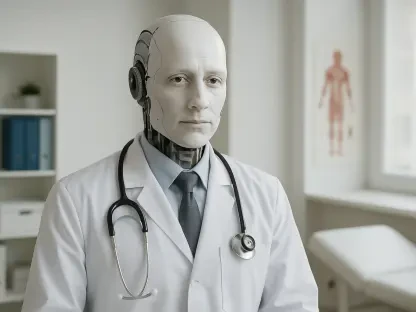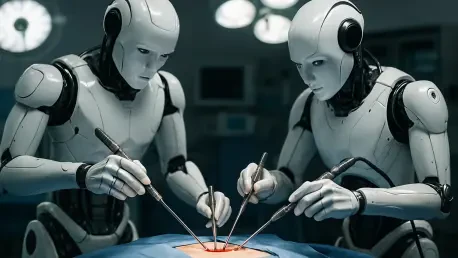

The traditional image of a surgeon, characterized by steady hands and decades of academic rigor, faces a radical reimagining as autonomous humanoid systems begin to demonstrate capabilities that were once relegated to the realm of science fiction. Prominent figures in the technology sector have recently asserted that AI-powered robots like the Optimus platform will outperform human medical professionals in surgical precision and efficiency within the next three years. This bold projection suggests a future where high-quality healthcare is no longer a luxury reserved for world leaders but a standardized service delivered at scale by machines. While the idea of a robot outperforming a specialist may seem jarring, proponents argue that integrating large language models with advanced robotics will eventually eliminate human error. The claim that medical degrees might become unnecessary reflects a confidence in AI’s ability to master complex procedures. However, this vision currently clashes with the reality of clinical environments where human intuition remains a vital component of patient care, creating a tension between technological ambition and the practicalities of medicine.
The Growing Divide: Public Skepticism and the Healthcare Crisis
Despite the rapid pace of innovation, a significant portion of the workforce views the rise of autonomous systems with profound apprehension regarding job security and the reliability of machine-led care. Recent polling data indicates that 30% of the American population fears that artificial intelligence will render their specific roles obsolete, while 75% believe these technologies will lead to a net reduction in employment opportunities. This skepticism is particularly acute in fields requiring high levels of trust and ethical accountability, such as medicine. Simultaneously, the United States is grappling with a severe demographic challenge as an aging population increases the demand for services while the field faces a projected shortfall of 200,000 doctors by 2037. This “physician retirement cliff” creates a vacuum that robotic solutions might eventually fill out of necessity. The intersection of public fear and labor shortages defines the current landscape, forcing providers to weigh the risks of automation against the danger of an overwhelmed medical infrastructure. As these forces collide, the debate moves beyond technical capability and into the realm of socioeconomic survival.
Precision and Autonomy: The Evolution of Surgical Robotics
The current trajectory of the medical robotics market, which is expected to exceed $57 billion globally by 2028, suggests a move toward deeper integration rather than immediate replacement. While visionaries focus on fully autonomous humanoids, the industry prioritized specialized systems designed to enhance human precision during invasive procedures. These technologies served as the foundation for advanced AI-driven models being tested today. Moving forward, healthcare institutions prioritized hybrid models where AI managed repetitive technical tasks while humans retained oversight of complex ethical judgments. Establishing rigorous regulatory frameworks and updated training protocols became the next essential steps to ensure patient safety. Future considerations addressed the legal liability of autonomous errors and the psychological comfort of patients. By focusing on augmented intelligence rather than total autonomy, the sector sought to bridge the gap between radical predictions and the practical requirements of clinical practice. This era required a balance between efficiency and nuanced empathy.