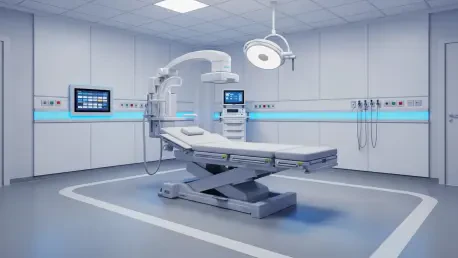

The persistent failure to integrate accessible medical diagnostic equipment into the American healthcare infrastructure remains one of the most significant and overlooked civil rights violations of the modern era. Although the Americans with Disabilities Act has existed for over three decades, the physical layout of most examination rooms continues to favor a narrow demographic of able-bodied, average-weight individuals. As the August 9, 2026, federal compliance deadline arrives for public health entities, many facilities are finding themselves unprepared to meet the basic needs of a massive segment of the population. This lack of specialized infrastructure, including height-adjustable tables and wheelchair-accessible scales, does more than just complicate a routine visit; it reinforces a system of medical marginalization that effectively bars vulnerable patients from receiving standard care. Understanding why these barriers remain requires looking at the intersection of legal delays, financial resistance, and a pervasive lack of institutional awareness.
Physical Risks and Psychological Impact: The Cost of Structural Neglect
Inaccessible equipment creates immediate and tangible dangers for patients whose physical needs fall outside the standard design parameters of traditional medical furniture. When a clinic lacks height-adjustable examination tables, patients with mobility limitations or muscle contractures are often forced to engage in dangerous maneuvers to access diagnostic surfaces. For individuals living with conditions like osteoporosis or Ehlers-Danlos syndrome, being lifted or repositioned by staff members who lack specialized training can lead to severe joint dislocations, ligament tears, or skin breakdowns. Furthermore, the inability to properly position a patient for imaging procedures, such as mammography or X-rays, frequently results in distorted or incomplete medical data. This technical failure leads to delayed diagnoses of critical illnesses, where the absence of a simple wheelchair-accessible scale can even result in incorrect medication dosages, directly jeopardizing the safety and long-term health of the patient.
The psychological burden of navigating an inaccessible healthcare environment is equally damaging, often resulting in a profound erosion of patient dignity and a subsequent avoidance of medical care. Many disabled and higher-weight patients describe feeling like an unwelcome burden when medical staff scramble to accommodate them using makeshift solutions or manual lifting. This sense of being an afterthought in the clinical setting creates a significant emotional deterrent, leading many individuals to skip preventative screenings and routine checkups to avoid the stress and humiliation of an unprepared facility. When the physical environment signals that a patient’s presence was not anticipated, it breaks the essential bond of trust between the provider and the person seeking help. Over time, this cycle of avoidance contributes to widening health disparities, as chronic conditions go unmanaged simply because the logistical hurdles of the examination room proved too high to overcome, turning a simple doctor’s visit into a source of trauma.
Legal Framework: The Evolution of Title II Compliance Standards
The legal landscape surrounding medical accessibility has entered a critical phase following the Department of Justice’s finalization of updated regulations under Title II of the Americans with Disabilities Act. While the broad principles of non-discrimination have been clear since 1990, it was not until 2024 that specific, technical requirements for medical diagnostic equipment were formalized for public entities. These updated rules mandate that state and local government health facilities, including public hospitals and university clinics, must provide at least one height-adjustable examination table and a scale that accommodates wheelchairs. As the compliance deadline of August 9, 2026, is now current, there is a renewed urgency for facilities to modernize their inventory to avoid federal scrutiny. These standards represent a long-overdue move toward measurable accountability, ensuring that “reasonable accommodation” is no longer a vague suggestion but a concrete requirement backed by specific technical guidelines.
Despite the clear requirements established by federal law, the practical enforcement of these standards remains a significant hurdle for achieving universal accessibility across the nation. Historically, the burden of ensuring compliance has rested almost entirely on the shoulders of the patients themselves, who must often file formal complaints or initiate private lawsuits to trigger any change. This reactive model of enforcement means that many healthcare facilities continue to use outdated, inaccessible equipment until they are legally compelled to do otherwise, creating a patchwork of care where accessibility depends more on geography than on medical necessity. Unlike other sectors where proactive inspections are routine, the medical field often lacks a systemic oversight mechanism to verify that equipment is functional and available before a patient arrives. Consequently, many clinics remain in a state of institutional inertia, delaying necessary upgrades and relying on the fact that few patients have the resources or the energy to pursue lengthy legal challenges against their providers.
Reproductive Health: Navigating Barriers in Specialized Care Settings
Reproductive and sexual health services represent an area where the lack of accessible equipment has particularly devastating consequences for women with physical disabilities and higher-weight patients. Gynecological examinations require precise physical positioning, such as the use of stirrups and specific table heights, which are often impossible to achieve without adjustable-lift technology. When a facility lacks these tools, clinicians may attempt to perform exams while the patient remains in a wheelchair or on a static surface, leading to incomplete screenings and increased physical discomfort. Research suggests that fewer than 40 percent of gynecological offices are currently equipped with the necessary diagnostic tools to serve this population effectively. This systemic failure prevents many women from accessing essential contraception, prenatal care, and life-saving screenings for reproductive cancers. The result is a healthcare environment where a patient’s reproductive rights are effectively limited by the physical constraints of the exam room equipment.
The absence of specialized equipment in reproductive health settings also fundamentally disrupts the development of a consistent and effective patient-provider relationship. When a physician is unable to perform a standard pelvic exam due to mechanical limitations, the patient is frequently referred to a different facility or, in many cases, the exam is omitted entirely from the appointment. This fragmented approach to care leads to significant delays in identifying early-stage reproductive issues and contributes to a sense of medical abandonment among disabled patients. Without the proper tools to facilitate a comprehensive physical examination, providers are often forced to rely on subjective reporting rather than clinical data, which can lead to misdiagnosis or the dismissal of serious symptoms. The continuity of care is further compromised when patients must repeatedly explain their equipment needs to new staff members, turning every medical encounter into an exhausting advocacy effort that detracts from the actual health concerns being addressed by the clinician.
Structural Impediments: Financial Costs and the Education Gap
One of the primary reasons cited by healthcare administrators for the slow adoption of accessible medical diagnostic equipment is the perceived financial burden associated with these upgrades. A high-quality, height-adjustable examination table can cost significantly more than a standard fixed model, often representing a major capital investment for small practices or public clinics operating on thin margins. While these costs are a fraction of the total budget for larger hospital systems, the lack of targeted federal subsidies or tax incentives specifically for medical equipment often leaves providers viewing accessibility as an expensive luxury rather than a core requirement. Furthermore, the longevity of traditional equipment means that many facilities are reluctant to replace functioning, albeit inaccessible, tables and scales until they reach the end of their operational life. This focus on immediate fiscal impact often overlooks the long-term costs of medical complications and legal liabilities that arise from maintaining a non-compliant and physically dangerous environment for patients.
Beyond the financial considerations, a widespread gap in awareness among the healthcare workforce regarding disability rights and specialized care needs continues to hinder progress. Many clinicians and administrative staff members remain unfamiliar with the specific technical requirements of the Americans with Disabilities Act or the clinical benefits of using adjustable diagnostic equipment. This lack of education often leads to secondary failures in care, where even facilities that possess the correct equipment fail to utilize its adjustable features during patient transfers or examinations. Surveys of medical professionals have indicated that a significant percentage of staff feel unprepared to assist patients with mobility impairments, which can lead to unsafe lifting practices that endanger both the patient and the employee. Addressing this awareness gap requires more than just new machinery; it demands a fundamental shift in medical training and institutional culture to ensure that every member of the care team understands how to provide a safe, dignified, and fully accessible experience for every patient.
Future Perspectives: Intersectional Realities and Inclusive Solutions
The urgent need for accessible medical infrastructure is increasingly underscored by the changing demographics of the American population, which is seeing a rapid increase in the number of older adults. With a significant portion of the population over the age of 65 experiencing mobility challenges, the demand for height-adjustable tables and accessible scales has transitioned from a niche requirement to a universal public health necessity. These barriers are particularly acute for marginalized communities, including those living in rural areas or in poverty, where medical facilities are often the last to receive technological updates. For these patients, the intersection of disability with other systemic inequalities creates a compounding effect that further restricts access to quality care. As the healthcare industry moves toward a more patient-centered model, it is becoming clear that accessibility must be integrated into the very foundation of facility design rather than being treated as an optional accommodation that is only provided upon specific request or legal pressure.
The consensus among advocates and medical professionals identified that meaningful progress required far more than the mere installation of new hardware in clinical spaces. Experts concluded that true disability justice was only achievable when disabled individuals were actively included in the design and implementation phases of healthcare services. The strategy shifted toward viewing accessibility as a fundamental standard of care that preserved the safety and dignity of every patient regardless of their physical body size or mobility status. Lessons learned from leading institutions suggested that when the community was involved in the decision-making process, the resulting medical environments became more efficient and effective for everyone. Moving forward, the focus remained on moving beyond reactive compliance to foster an institutional culture where universal access was considered a non-negotiable component of medical ethics. The road toward medical equity was paved by these proactive steps, ensuring that the examination room finally became a place of healing rather than a site of structural exclusion for those most in need.