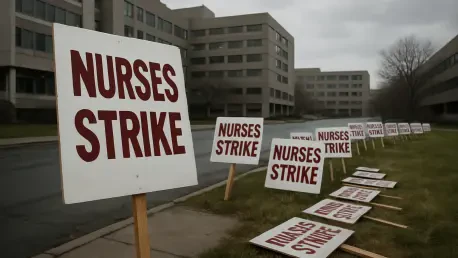

Across New York City, the absence of over 15,000 nurses from the floors of major medical centers like Mount Sinai and NewYork-Presbyterian has created a palpable void, sending a powerful message about the state of healthcare. This massive walkout is not a dispute over wages but a desperate plea to address what nurses describe as a crisis of chronic understaffing that jeopardizes patient safety and pushes the nursing workforce to its breaking point. For years, bargaining talks have stalled over demands for enforceable nurse-to-patient ratios, better working conditions, and improved workplace safety measures. The current strike represents the culmination of this long-simmering frustration, placing the city’s healthcare system at a critical juncture where the immediate need for care clashes with the long-term necessity of a sustainable and safe environment for both patients and the professionals who care for them. The core of the conflict lies in a fundamental disagreement over how to achieve this stability, a debate that has now spilled from negotiation rooms onto the city’s sidewalks.
A Costly Stalemate and Rising Tensions
In response to the strike, hospital administrations have initiated a massive and costly stopgap measure, allocating an estimated $100 million to hire temporary travel nurses to maintain operations. This strategy starkly contrasts with the resolution of a smaller strike in 2023, which concluded in just three days, suggesting a new and more entrenched preparedness from hospitals to endure a prolonged labor dispute. This hardline stance has been accompanied by actions that the nurses’ union has labeled as retaliatory and intimidating. The union has filed a formal complaint with the National Labor Relations Board, citing several incidents intended to suppress union activity. These allegations include the disciplining of union advocates who publicly voiced concerns about safety protocols, the termination of three nurses immediately before the strike began, and an edict that barred some striking nurses from using their hospital’s pharmacy for job-related needs. These developments have intensified the conflict, transforming it from a contract negotiation into a contentious battle over labor rights and professional respect.
The Path Forward for Patient Care
The protracted dispute ultimately revealed that a lasting resolution depended on addressing the foundational issues rather than implementing temporary, high-cost fixes. The vast resources channeled toward temporary staffing highlighted a critical choice: to invest in transient labor or to commit to building a stable, supportive environment for the permanent workforce. The core argument from the picket lines was that the well-being of nurses and the quality of patient care were inextricably linked. A sustainable healthcare system required an investment in safe staffing levels, fair working conditions, and a culture that valued its clinical staff. The events of the strike demonstrated that merely filling shifts was not a substitute for fostering a resilient and dedicated nursing corps. The most effective path forward involved reallocating resources to create the safe, well-staffed clinical environments that nurses had long advocated for, a change that would have yielded long-term benefits for the entire patient community.