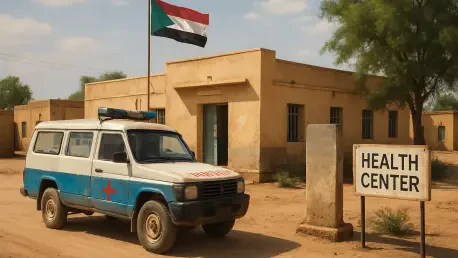

In the war-ravaged landscape of West Darfur, the audacious daylight theft of two essential vehicles from the El Geneina Teaching Hospital has become a stark symbol of a health system not just strained by conflict, but actively being dismantled from within by corruption. The incident, carried out by known individuals who acted with chilling impunity, was more than a simple crime; it was a crippling blow to a facility already on its knees, raising urgent questions about the systemic plunder of vital public assets. This single event peels back the layers of a deeper crisis, revealing a confluence of lawlessness, predatory opportunism, and a complete collapse of accountability that threatens to extinguish the last embers of formal healthcare for a desperate population. As the hospital grapples with the fallout, the theft serves as a microcosm of a nationwide struggle where the fight for survival is waged not only against bullets and bombs but also against the insidious decay of governance.
The Anatomy of a Systemic Collapse
The events at El Geneina Teaching Hospital are not isolated but rather indicative of a deep-seated rot that has taken hold in the absence of state authority. The theft of critical assets points to a calculated and organized effort to profit from the chaos, transforming humanitarian resources into commodities for personal enrichment. This systemic breakdown has turned hospitals from sanctuaries of healing into targets for exploitation, where the lines between public service and private enterprise have been irrevocably blurred. The perpetrators of these acts operate in an environment of near-total impunity, emboldened by the knowledge that the mechanisms for justice and oversight have all but disappeared since the conflict escalated in April 2023. This has created a vacuum where influential actors can systematically strip public institutions of their resources, leaving both healthcare workers and patients in a state of perpetual crisis and vulnerability.
A Calculated Strike on Lifelines
The two vehicles stolen from the hospital were not merely transportation; they were integral components of its operational capacity, and their loss has immediate and devastating consequences. One vehicle, a crucial donation from the former UNAMID mission, was designated for the hospital’s internal logistics, including the safe disposal of hazardous medical waste—a fundamental requirement for infection control in any medical setting. The second vehicle belonged to the state-run Revolving Drug Fund, serving as the primary logistical link for transporting essential medicines, supplies, and life-sustaining oxygen cylinders to the facility. Its theft severs a critical supply chain, threatening to halt surgeries, intensive care, and the treatment of common illnesses. Hospital staff, speaking on condition of anonymity for fear of reprisal, confirmed that this was a targeted seizure, not a random act of looting. It represents a deliberate strangulation of the hospital’s ability to function, paralyzing an institution that is the last hope for thousands of civilians caught in the crossfire of a brutal conflict.
Echoes of Impunity
This brazen act of theft did not occur in a vacuum but is the culmination of a series of unchecked abuses that have plagued the hospital. Sources within the facility reveal that this was not the first attempt to illegally seize these specific vehicles; a previous fraudulent effort had been thwarted, signaling a persistent and predatory interest from influential figures. This pattern of impunity is further illuminated by past incidents that have gone unpunished. Notably, a hospital official was previously dismissed following the disappearance of 300 cartons of vital therapeutic supplies, yet the official investigation into the matter yielded no public findings and no prosecutions, effectively sweeping the scandal under the rug. This culture of zero accountability sends a clear message that public assets are fair game for those with power and connections. The repeated targeting of hospital resources, coupled with the consistent failure of authorities to hold anyone responsible, has fostered an environment where corruption is not just possible but has become an entrenched and accepted part of the wartime economy in the region.
Corruption as a Weapon of War
In the context of Sudan’s ongoing conflict, corruption has metastasized from a chronic ailment into an acute and deadly weapon. The systematic diversion of medical resources is not merely a matter of financial loss; it directly translates into preventable deaths and suffering on a massive scale. As the formal structures of the state have crumbled, a shadow economy has flourished, preying upon the very systems designed to provide aid and relief. This predatory ecosystem thrives in regions like El Geneina, where the chaos of war provides perfect cover for illicit activities. The deliberate misuse and theft of humanitarian aid and public health assets have become a strategic tool for personal gain, creating an artificial scarcity that exacerbates the humanitarian crisis. For the people of Sudan, this means the war is being fought on two fronts: one of overt violence and another of covert economic predation that silently dismantles their access to life-saving care.
The Shadow Market for Medicine
The theft of vehicles is just one facet of a much larger and more insidious problem: the systemic diversion of medical supplies to the black market. Investigations have uncovered a deeply troubling trend where internationally donated medicines and critical oxygen cylinders, meant for free distribution in struggling public health facilities, are systematically siphoned off and sold at exorbitant prices. This creates a cruel paradox where hospitals report critical shortages and are forced to turn away patients, while the very supplies they need are readily available to anyone who can afford to pay the black market rate. This shadow market is not a fringe operation but a well-organized network that profits directly from the desperation of the sick and injured. It represents a profound betrayal of humanitarian principles and a moral collapse, transforming life-saving aid into a commodity for the highest bidder and leaving the most vulnerable members of society to face illness and injury without any hope of treatment.
An Urgent Appeal for Intervention
Faced with the imminent collapse of their facility, the remaining staff at El Geneina Teaching Hospital issued a desperate public appeal to civil authorities and community leaders. They called for immediate intervention to recover the stolen vehicles and, more importantly, to hold the well-known perpetrators accountable for their actions. The staff warned that the failure to act decisively would not only cement the hospital’s inability to provide care but would also signal the complete surrender of public health services to criminal elements. This plea underscored the reality that without a restoration of basic law and order and a firm commitment to tackling corruption, the entire health sector in the region was on a path to total ruin. The incident had served as a final wake-up call, demonstrating that the health system’s survival depended not just on supplies and funding, but on the political will to protect it from those who sought to dismantle it for personal profit.