
The rapid evolution of medical infrastructure in the Yucatán Peninsula represents a definitive shift toward a more equitable and technologically advanced healthcare model for its citizens. Governor Joaquín Díaz Mena recently facilitated the delivery of sophisticated medical assets to the High-Specialty Regional Hospital of the Yucatán Peninsula, reinforcing the state’s capacity to handle complex tertiary cases. Central to this update is a single-arm C-arm angiograph, a 40-million-peso investment designed to enhance precision in cardiovascular and neurological interventions. By integrating multi-slice computed tomography scanners and high-resolution ultrasound machines, the regional medical network is moving away from reactive treatments and toward a system defined by diagnostic accuracy. This modernization effort is particularly critical for residents who lack traditional social security, as it provides them with access to the same caliber of care found in private sectors. The deployment of specialized intensive care and multi-position hospital beds further ensures that patient recovery is managed with the highest safety standards, effectively transforming the hospital into a regional hub for medical excellence.
Integrated Infrastructure and Specialized Care Centers
Building on this foundation of high-tech equipment, the state is expanding its physical footprint to create a more comprehensive health network that addresses long-term rehabilitation and neurodevelopmental needs. The Yucatán Regional Center for Orthotics, Prosthetics, and Functional Aids continues to scale its operations, providing life-changing mobility assistance to individuals who previously faced significant barriers to movement. Simultaneously, the administration is preparing to launch the State Center for Autism Care, a dedicated facility designed to provide early diagnosis and tailored therapeutic interventions for a growing population in need. This focus on specialized centers reflects a strategy that views health through a wider lens than just emergency response, recognizing that functional independence is a vital component of public welfare. By coordinating these efforts with the state DIF System and the Public Welfare Assets Administration, the government is ensuring that the distribution of resources remains focused on the most vulnerable demographics. This multi-layered approach creates a safety net where physical rehabilitation and cognitive support are no longer luxury services but standard components of public care.
Collaborative Strategies for Future Health Resilience
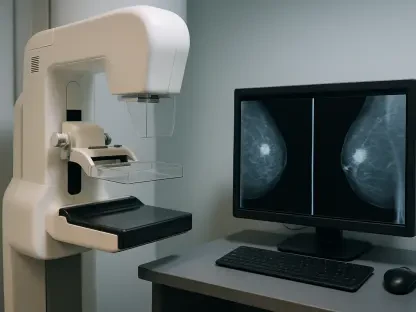
The transformation of the regional health landscape is further accelerated through a strategic partnership with the federal IMSS-Bienestar program and President Claudia Sheinbaum Pardo. This collaboration is set to finalize the construction of the new O’Horán Hospital, which is projected to become the largest and most sophisticated medical facility in southeastern Mexico. This project is not merely about increasing bed counts; it is about reorganizing the hierarchy of care to maximize efficiency across all levels of the system. By prioritizing preventive medicine at the primary level and streamlining referrals to secondary and tertiary facilities, the administration aims to prevent the overcrowding that often plagues large public institutions. Federal authorities have also pledged to double their support for targeted health initiatives, including expanded access to hearing aids, cataract surgeries, and critical breast cancer screenings. Moving forward, health administrators and local leaders should focus on maintaining this momentum by investing in the continuous training of medical personnel to operate these new technologies. Ensuring that the workforce is as advanced as the machinery will be the final step in securing a sustainable and high-performing healthcare ecosystem for the entire peninsula.
The regional government successfully established a robust framework for modernization through strategic investments and federal partnerships that prioritized the needs of uninsured populations. By integrating advanced diagnostic tools with specialized care centers, the administration addressed long-standing gaps in the healthcare delivery model. These initiatives resulted in a more efficient distribution of medical services, moving the peninsula toward a future defined by preventive care and technological precision. State and federal agencies collaborated to ensure that infrastructure projects, such as the new O’Horán Hospital, remained on track to serve as the cornerstone of the regional health system. This comprehensive overhaul demonstrated that a unified approach to public health could significantly improve patient outcomes and resource accessibility across the state.