
The dense forests and rugged coastlines of the North Woods often serve as a natural barrier to the rapid technological shifts found in sprawling urban medical centers. For decades, patients in remote regions accepted that geographic isolation meant relying on older diagnostic tools that had been passed down from larger institutions. However, North Shore Health is currently rewriting this narrative by proving that a zip code should never determine the quality of a person’s medical imaging or the speed of their diagnosis.
By moving away from the traditional reliance on refurbished equipment, the facility has integrated a sophisticated digital ecosystem that rivals the capabilities of metropolitan hospitals. This transition represents a shift in philosophy where rural healthcare is no longer a step behind but is instead a frontline for practical innovation. The arrival of cutting-edge radiology tools marks the end of an era of compromise, ensuring that local residents receive elite-level care without traveling hundreds of miles.
Bridging the Diagnostic Divide in the North Woods
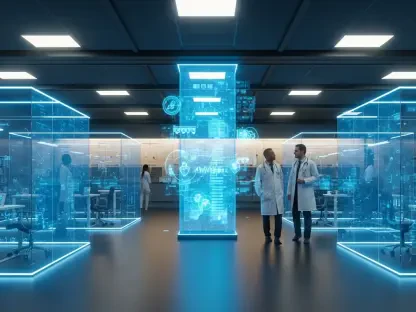
The gap between urban medical centers and remote clinics is narrowing, not through geographic proximity, but through the silent pulse of artificial intelligence. At North Shore Health, the days of relying on refurbished machinery from the early 2000s have ended, replaced by a sophisticated digital system that brings elite-level diagnostic precision to a rural setting. This transition is not merely an equipment upgrade; it is a fundamental shift in how life-critical data is captured and analyzed in real-time.
Modern connectivity allows these high-resolution images to move across digital networks at speeds previously unimagined. By prioritizing this infrastructure, the facility ensures that a patient in a small town receives the same level of scrutiny as one in a major city. This digital bridge effectively eliminates the “rural penalty,” providing a lifeline of data that supports every department in the hospital.
From Refurbished Relics to High-Resolution Reality
For years, rural facilities like North Shore Health operated with “hand-me-down” technology—older units acquired as refurbished gear that lacked the clarity needed for modern medicine. Radiology Director Brian Hady recognized that to provide contemporary care, the facility needed to move beyond the limitations of the past. The acquisition of brand-new stationary and portable X-ray systems provides a level of image resolution previously unavailable to the community.
These new systems allow providers to see the smallest details of surgical staples, intubation equipment, and internal hardware with unprecedented clarity. Such precision is vital when every millimeter counts during a post-operative check or an emergency assessment. By investing in the latest hardware, the hospital has removed the guesswork that often accompanied the grainy images produced by legacy machines.
The Intelligence Layer: Real-Time Detection and Automated Flagging
The centerpiece of this transformation is the integration of AI software designed to act as a second set of eyes for clinical teams. The system is programmed to identify critical issues such as a pneumothorax, or collapsed lung, almost instantly. This automated anomaly detection serves as a safety net, ensuring that life-threatening conditions are flagged the moment an image is captured.
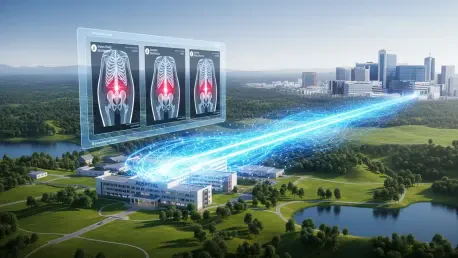
Beyond simple detection, the AI monitors the placement of endotracheal tubes to ensure life-support equipment is correctly situated. When the software identifies a potential abnormality, it generates a highlighted image to immediately draw the medical team’s attention to the area of concern. Radiologists maintain ultimate control by adjusting the software’s sensitivity and recommendation levels to suit specific patient needs, creating a collaborative environment between human expertise and machine speed.
Navigating the Logistical Frontline of Rural Healthcare
Upgrading technology in a remote area involves hurdles that urban hospitals rarely encounter, particularly regarding maintenance and distance. Brian Hady pointed to the high cost of downtime as a primary driver for their strategy; in remote areas, the geographic scarcity of technicians means a machine failure can lead to days of diagnostic delays. This reality forced the hospital to rethink its procurement process from the ground up.
By prioritizing brand-new units over refurbished ones, North Shore Health minimized mechanical failures and reduced the need for specialized long-distance repair services. Navigating limited rural budgets and the physical difficulty of transporting heavy, sensitive medical equipment across long distances required meticulous planning. The result was a more resilient department that could withstand the logistical pressures of its isolated location.
Closing the Urban-Rural Gap Through Digital Connectivity
The transformation extended beyond the walls of the hospital through a unified, digital approach to patient management. High-resolution images were no longer confined to local servers; they were shared instantly with primary care providers and specialists across the country. This seamless data sharing allowed patients to benefit from the expertise of off-site radiologists who could review scans with the same speed and clarity as if they were in the room.
This technological investment ensured that the quality of diagnostic services in a small community matched the sophistication found in major metropolitan medical centers. By establishing a standard of care parity, the facility proved that rural medicine can be a leader in digital health integration. Moving forward, the hospital looked toward expanding these AI capabilities into other diagnostic branches to further enhance preventative care and early intervention strategies for the entire region.