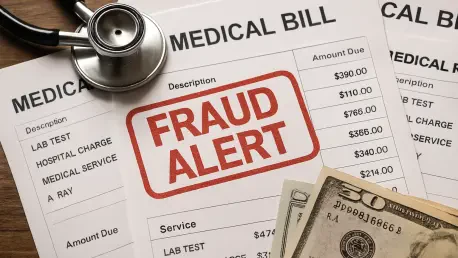

The intricate complexity of modern healthcare reimbursement systems has unfortunately provided a fertile breeding ground for sophisticated fraudulent schemes that target unsuspecting patients during their most vulnerable moments of recovery. As financial interactions between providers and insurers become increasingly digitized, criminals have learned to exploit the confusion surrounding out-of-pocket costs and deductible balances to siphon funds from the public. These bad actors often masquerade as legitimate billing departments or state-authorized collection agencies, using advanced social engineering to create a sense of extreme urgency. By leveraging the fear of credit score damage or legal repercussions, they bypass the critical thinking skills that individuals usually apply to financial transactions. Understanding the landscape of these deceptive practices is the first essential step in building a robust defense against identity theft and financial loss. Education serves as the primary barrier between a patient’s bank account and the organized networks that profit from medical misinformation.
The Mechanics of Deception: How Fraudsters Operate
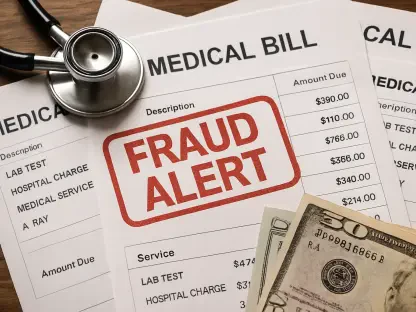
The primary methodology employed by these fraudsters involves the dissemination of counterfeit invoices or aggressive telephone solicitations that claim a significant debt is currently past due. These communications frequently mirror the aesthetic and professional tone of actual medical facilities, often utilizing specific terminology that makes the demand seem authentic to the average person. When a target picks up the phone, the scammer typically employs high-pressure tactics, suggesting that failure to pay immediately via a credit card or digital wire transfer will result in immediate legal action or a permanent stain on a financial record. A particularly insidious aspect of this scheme is the request for personal identification under the guise of account verification. Victims are often asked to provide Social Security numbers, dates of birth, or sensitive insurance member IDs. Once this data is surrendered, the scope of the crime often expands from simple theft to full-scale identity fraud.
Beyond simple impersonation, there are specific variations of these scams that rely on the fabrication of medical services or the exploitation of real healthcare encounters through unauthorized third-party billing. In some instances, individuals have received invoices for diagnostic procedures, such as advanced respiratory panels, that were allegedly performed months before the billing entity even established a digital presence. Another common tactic involves scammers identifying a genuine visit a patient made to a local clinic and then sending a follow-up bill using a name that is nearly identical to the actual laboratory or provider. This subtle manipulation of details creates a facade of legitimacy that can trick even the most diligent record-keepers. By operating in the grey areas of the healthcare industry, these criminals take advantage of the fact that patients often receive multiple bills from different providers for a single appointment, making it harder to distinguish a genuine charge from a total fabrication.
Strategic Defense: Verification and Risk Mitigation
Developing a skeptical mindset toward unsolicited financial demands is a necessary component of personal security in the current landscape of the healthcare industry. Whenever a suspicious billing notification arrives, the most effective response is to halt all communication and perform independent research to verify the validity of the claim. Legitimate collection agencies are legally required to provide specific details regarding the original creditor, the exact date of service, and a breakdown of the charges if requested by the consumer. If a caller becomes evasive or refuses to provide a physical mailing address for the company, it serves as a definitive indicator of fraudulent intent. Instead of using the contact information provided in a suspicious email or letter, individuals should find the official customer service number for their insurance provider or physician’s office through a verified source. Direct confirmation with the original provider remains the most reliable method.
Protecting personal information required a proactive stance that prioritized data privacy over the convenience of quick resolutions during high-pressure interactions. Consumers who successfully avoided these scams often implemented a strict policy of never sharing sensitive identifiers with an unsolicited caller, regardless of the perceived authority of the individual on the line. Reporting these fraudulent attempts to national scam tracking databases and local consumer protection agencies became a vital contribution to public safety, as it helped authorities dismantle criminal networks and warn others of emerging tactics. Those who maintained vigilant oversight of their credit reports and medical Explanations of Benefits were better equipped to spot discrepancies before they escalated into major financial crises. Ultimately, the transition toward a more secure healthcare environment depended on the collective refusal of patients to be intimidated by aggressive tactics. These measures ensured that care remained the focus.