
The completion of a three-million-pound state-of-the-art interventional radiology suite marks a significant leap forward for medical services in Jersey, signaling a move toward more precise healthcare. This comprehensive project, which spanned sixteen months, represents a total overhaul of existing theatre spaces into a high-tech environment capable of performing complex procedures that once required invasive surgery. Funded entirely by the generosity of the John Clive Le Seelleur Trust and the E J Bailhache Fund, the facility bridges a critical gap in local infrastructure by providing tools that were previously unavailable on the island. By modernizing these clinical spaces, the hospital ensures that residents no longer need to seek specialized care abroad for various acute conditions. This investment underscores the vital role that charitable contributions play in enhancing public health outcomes by equipping local medical professionals with the high-end technology needed to save lives and improve patient recovery times while reducing systemic strain.
Advancing Clinical Precision Through Technology
The Mechanics: Modern Imaging Systems
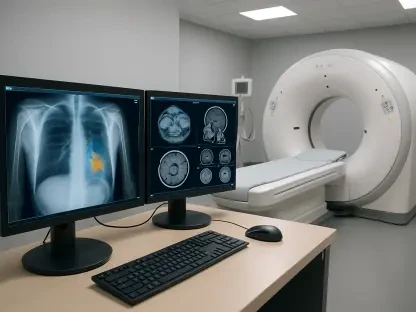
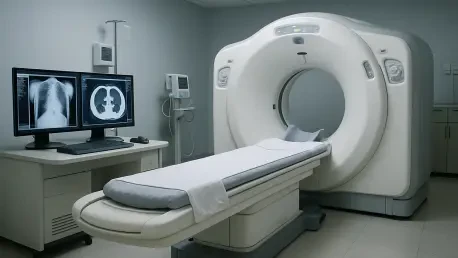
At the heart of this technological advancement is a sophisticated new fluoroscopy unit designed to provide clinicians with high-resolution, real-time moving images of internal organs and blood vessels. This capability allows medical teams to visualize the body’s interior with unprecedented clarity while performing delicate maneuvers, ensuring that every movement is guided by live data. In addition to the primary fluoroscopy hardware, the suite includes mobile backup units that offer redundancy and flexibility during high-stakes procedures. This dual-layered approach to equipment availability minimizes the risk of technical downtime and ensures that patient safety remains the highest priority during every intervention. By integrating these tools into a single, cohesive workflow, radiologists can now perform complex vascular and non-vascular tasks with a degree of precision that reduces the likelihood of complications and shortens the overall duration of medical procedures while maintaining a high standard of clinical care.
Building upon these imaging capabilities, the suite integrates a variety of diagnostic modalities, including CT scans, MRI, and ultrasound, to assist in guiding tiny catheters through the body. This multi-modal approach enables radiologists to target specific areas with extreme accuracy, facilitating what is commonly referred to as pinhole surgery. Because these procedures are guided by advanced imaging, they eliminate the need for large incisions, which significantly lowers the risk of infection and heavy bleeding. The presence of such a diverse array of diagnostic tools within a single treatment area allows for a more streamlined clinical experience, as patients do not need to be moved between different departments for various stages of their treatment. Consequently, the hospital can now manage a higher volume of cases with greater efficiency, ensuring that the most advanced radiological techniques are utilized to their full potential in every single patient interaction from diagnosis to treatment.
Clinical Scope: Addressing Diverse Conditions
The new facility is engineered to handle an extensive range of medical issues, ranging from oncological interventions to the management of life-threatening blood clots and bleeding vessels. By utilizing the suite’s advanced capabilities, clinicians can treat certain types of cancers by delivering localized therapies directly to tumors, minimizing damage to surrounding healthy tissue. Furthermore, the unit plays a critical role in treating fibroids and managing infections that would otherwise require long hospital stays or more aggressive surgical interventions. This localized approach to complex disease management ensures that the island’s healthcare system can provide specialized treatments that were previously difficult to facilitate. By expanding the clinical scope of the radiology department, the hospital provides a vital safety net for patients with chronic and acute conditions, offering a level of versatility that is essential for a modern, self-sufficient healthcare environment.
Beyond acute interventions, the suite serves a vital function in the long-term management of patients requiring ongoing intravenous care, such as those undergoing chemotherapy. The ability to precisely insert long-term intravenous lines under radiological guidance ensures that these patients receive their medications safely and with minimal discomfort. This service is particularly important for oncology patients, for whom consistent and reliable vascular access is a cornerstone of effective treatment. By centralizing these procedures in a dedicated, high-tech environment, the hospital can provide a more comfortable experience for individuals facing long-term health challenges. The inclusion of these specialized services within the interventional radiology suite demonstrates a holistic approach to patient care, where technology is used not only for emergency treatments but also to improve the day-to-day quality of life for patients undergoing intensive medical regimens over many months.
Societal Impact and Future Healthcare Strategy
Economic Gains: Patient Recovery Benefits
One of the most immediate benefits of the new interventional radiology suite is the significant reduction in recovery times and hospital admission durations for the local population. Because the procedures performed in this suite are minimally invasive, patients typically experience far less post-operative pain and can return to their daily lives much faster than those who undergo traditional surgery. This shift toward outpatient or short-stay procedures helps to alleviate the pressure on hospital beds, allowing the facility to allocate its resources more effectively across other departments. For the patients themselves, the ability to receive high-quality care without the trauma of major surgery leads to better long-term health outcomes and a more positive overall experience with the healthcare system. The reduction in physical trauma associated with these pinhole treatments represents a fundamental change in how the hospital approaches patient wellness, prioritizing speed and comfort alongside clinical efficacy.
This project also serves as a powerful testament to the impact of strategic charitable funding on the modernization of public healthcare infrastructure. The total cost of the refurbishment and equipment installation was covered by private trusts, highlighting a sustainable model for medical advancement that does not rely solely on government budgets. Such partnerships allow for the rapid implementation of cutting-edge technology, ensuring that the local community benefits from global medical trends in real-time. By leveraging these funds, the hospital has been able to create a facility that matches the standards of leading international medical centers. This success encourages future collaborations between the public sector and private organizations, demonstrating that shared goals can lead to transformative improvements in the quality of care available to the community. The project has effectively set a new benchmark for how healthcare facilities can be upgraded to meet the demands of modern medicine through targeted investment.
Strategic Vision: Future Considerations for Care
Looking ahead, the successful operation of this radiology suite will require a sustained commitment to staff training and the integration of emerging digital health technologies. As medical equipment continues to evolve, radiologists and support staff must engage in continuous professional development to master the latest techniques in image-guided therapy. Maintaining a pipeline of skilled professionals is essential to ensure that the £3 million investment continues to deliver value for years to come. Additionally, the hospital should consider how the data generated by these advanced imaging units can be integrated into broader electronic health records to provide a more comprehensive view of patient health. This focus on both human expertise and digital connectivity will be crucial for maximizing the long-term impact of the suite on the local health landscape. Ensuring that the facility remains at the cutting edge involves not just maintaining the hardware, but also fostering an environment of clinical excellence.
The completion of this initiative provided a clear blueprint for future enhancements to the island’s medical infrastructure, emphasizing the importance of local accessibility. In the past, the healthcare system focused on stabilizing patients for transport, but the focus shifted toward providing comprehensive, high-tier interventions on-site. The hospital successfully implemented these changes by prioritizing minimally invasive options that reduced the burden on both patients and staff. To continue this momentum, healthcare planners should evaluate other departments that could benefit from similar modernization efforts, particularly those where technology can replace traditional, more invasive methods. By analyzing the outcomes of the new radiology suite, administrators could identify key areas for the next phase of clinical expansion. This proactive approach ensured that the hospital did not just keep pace with modern standards but actively sought to lead in the delivery of efficient, patient-centered medical services through strategic growth and technological adoption.