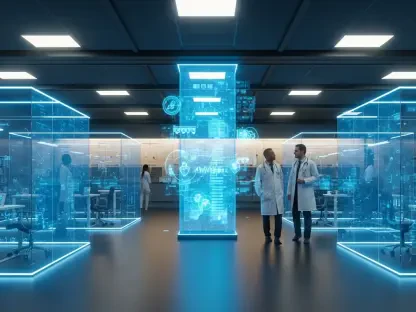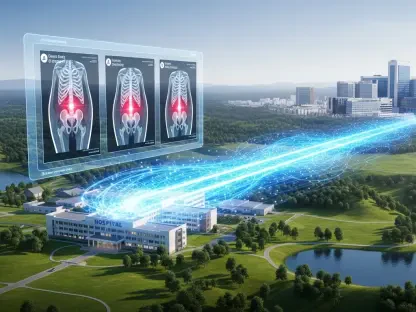

The persistent friction between advanced clinical capabilities and the archaic administrative processes that define modern medical practice has reached a critical breaking point in the current healthcare landscape. For years, a literal and figurative “paperwork wall” has been constructed between doctors and their patients, composed of manual scheduling, redundant intake forms, and fragmented billing cycles that drain the energy of even the most dedicated providers. This systemic crisis of administrative exhaustion does more than just slow down operations; it fundamentally threatens the core of the healing relationship by prioritizing data entry over human interaction. The emergence of the automated healthcare practice serves as a strategic bridge designed to dismantle this barrier and return the focus of medicine to its original purpose. By transitioning from manual, repetitive operations to sophisticated digital workflows, the industry is finally finding ways to re-center the medical experience around genuine human engagement rather than the requirements of a bureaucratic machine.
Transforming Administrative Logic: Moving Beyond Manual Constraints
The transition toward an automated healthcare environment is deeply rooted in the philosophy of providing intelligent support rather than attempting to replace the essential human elements of the medical staff. By embedding complex logic and advanced algorithms into daily operations, routine tasks such as insurance eligibility verification and patient appointment reminders are shifted into the background where they can function autonomously. This strategic shift is primarily designed to reduce the immense cognitive load placed on the care team, effectively freeing up the mental energy required for high-level diagnostic work and the empathetic communication that patients deserve. Instead of adopting new technology simply for the sake of modernization, this approach utilizes purpose-built platforms that specifically address the unique pain points of a busy practice. This ensures that every digital tool implemented serves a clear, practical need for both the provider and the patient, creating a more cohesive and less stressful environment for all parties involved.
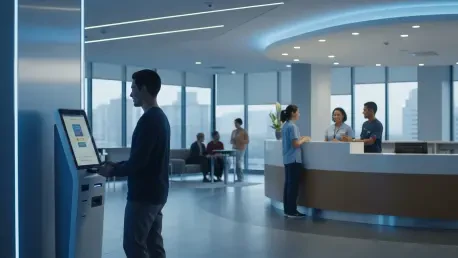
Beyond merely simplifying existing tasks, this technological evolution enables a radical and comprehensive redesign of the entire care experience, beginning long before a patient even enters the clinic doors. Pre-visit automation now handles the logistical onboarding process with remarkable efficiency, utilizing digital intake tools and automated scheduling that effectively eliminate the frantic clipboard-and-pen routine at the front desk. This proactive approach ensures that by the time the actual encounter begins, the clinician already has access to all necessary data, including updated insurance information and medical histories. Consequently, the conversation can start with a meaningful focus on the patient’s physical and emotional well-being rather than a series of questions about missing signatures or updated contact details. This shift not only improves the accuracy of the information collected but also sets a professional and patient-centered tone for the entire medical visit, fostering an atmosphere of trust.
Refining the Clinical Interaction: Technology as a Silent Partner
During the actual medical encounter, automation functions as a sophisticated silent assistant that actively works to restore the human connection that is so often lost in modern digital environments. Advanced tools that assist with real-time documentation and provide clinical decision-making support allow doctors to maintain consistent eye contact and engage fully with their patients instead of being tethered to a keyboard. This level of support ensures that the technology remains largely invisible to the patient, quietly managing the complex machinery of the practice in the background while the provider focuses entirely on the art of healing. The seamless integration of these tools means that the provider can follow the flow of the conversation naturally, knowing that the administrative requirements are being met without interrupting the clinical narrative. This restoration of the traditional doctor-patient dynamic is a vital component in improving patient satisfaction and ensuring that the nuances of their health concerns are heard.
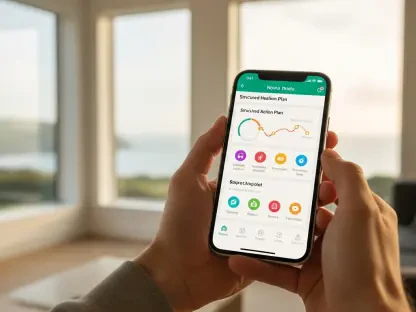
The patient journey continues well after the physical visit has concluded, facilitated by automated follow-up workflows and highly coordinated care transitions that ensure no patient falls through the cracks. In a manual system, post-visit tasks like communicating lab results or scheduling specialist referrals are often prone to human error or delay, leading to patient anxiety and potential gaps in treatment. Automated systems now manage these critical loops of reliability by sending clear communications and tracking the completion of subsequent steps in the care plan. This creates a continuous cycle of engagement that builds long-term trust between the patient and the healthcare organization, reinforcing the idea that the practice is committed to their health beyond the exam room. By maintaining this consistent thread of communication, practices can ensure higher compliance with treatment plans and better overall health outcomes, while simultaneously reducing the administrative burden on the nursing and support staff.
Empowering the Care Team: Sustainability and Role Optimization
The ultimate impact of shifting toward an automated model is the profound empowerment of the healthcare workforce and the creation of a more sustainable medical system for everyone involved. By automating repetitive and low-value tasks, individual staff members are finally empowered to operate at the top of their professional licenses, focusing on the specialized work they were trained to do. Medical assistants are transitioning from roles defined by data entry and filing to roles centered on direct patient engagement and education, while nurses can focus their expertise on complex care coordination and patient advocacy. This optimization of human resources is absolutely essential in an era of global clinician shortages, as it allows practices to handle increased patient demand without overextending their personnel. When staff members feel that their time is valued and their skills are being used appropriately, professional fulfillment increases, which is a critical factor in retaining talented individuals in the medical field.
From a broader systemic perspective, the integration of automation provides the necessary foundation for long-term financial sustainability and scalable growth in an increasingly complex industry. Healthcare organizations are constantly facing the challenge of doing more with less, and the consensus among industry leaders is that practices simply cannot hire their way out of the current efficiency crisis. Instead, they must optimize their existing workflows to ensure that every minute spent by a clinician is high-value and patient-facing. By reducing the overhead costs associated with manual errors and administrative friction, practices can improve their financial health while simultaneously providing a higher quality of care. This transition is not merely about increasing the volume of patients seen; it is about ensuring that each interaction is meaningful and effective. Ultimately, the most sophisticated technology is not that which adds complexity, but that which removes obstacles, allowing the healthcare experience to become more human, more accessible, and more compassionate.
The adoption of automated frameworks in medical practices represented a fundamental shift in how organizations prioritized human relationships over bureaucratic compliance. Stakeholders recognized that the path toward restoring the provider-patient bond required a deliberate investment in purpose-built platforms that moved administrative tasks into the background. Organizations that successfully implemented these systems focused on reducing the cognitive load of their staff, which allowed for a renewed emphasis on diagnostic accuracy and empathetic communication. This transition emphasized the importance of ensuring that every technological tool served a specific clinical or operational goal rather than adding unnecessary layers of complexity. Leaders in the field moved toward models that empowered their teams to work at their highest capacity, effectively addressing the burnout that had previously plagued the industry. The successful integration of these automated workflows demonstrated that the most effective way to humanize medicine was to leverage technology to handle the machinery of care.