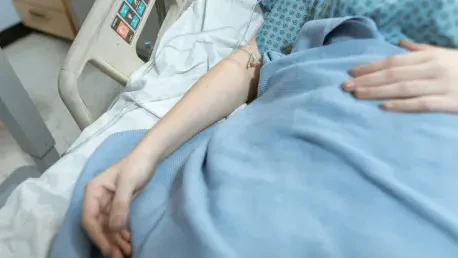

The daunting reality of managing specialized medical care at home often hinges on the availability of industrial-grade equipment that remains out of reach for the average household budget. In Bermuda, the transition from clinical hospital environments to the comfort of a private residence has historically been marred by a significant lack of accessible medical furniture, forcing families into difficult financial positions during times of health crises. The Bermuda Red Cross has stepped forward to bridge this gap by significantly expanding its Medical Equipment Rental Service to include fully electric hospital beds, providing a critical lifeline for the island’s growing demographic of seniors and those recovering from major surgery. This initiative is not merely a logistical update but a fundamental shift in how the community supports long-term recovery and aging in place, ensuring that dignity and safety are not reserved only for those who can afford high retail costs. By establishing a centralized and affordable rental pipeline, the organization addresses a pressing gap that has persisted for years, allowing patients to heal in a familiar setting without the immense burden of sourcing their own heavy machinery. This expansion transforms the local healthcare landscape by making professional-grade support available to all residents regardless of their economic standing.
Strengthening Community Care Through Strategic Collaboration
The Synergy: Philanthropy and Technical Expertise
The operational expansion of the hospital bed rental program was made possible through a sophisticated blend of corporate philanthropy and strategic financial planning. Key grants from the Bermuda End-to-End and the Conduit Foundation provided the necessary capital to acquire a modern fleet of fully electric beds, which represent the gold standard in patient comfort and caregiver safety. Beyond the physical hardware, these funds facilitated the implementation of a cutting-edge inventory management system designed to track equipment in real-time. This technological upgrade allows the organization to manage high demand more effectively, ensuring that every piece of equipment is accounted for and maintained to professional standards. By digitizing the rental process, the staff can provide immediate updates on availability, which is crucial when families are coordinating a discharge from the hospital on short notice. Such financial backing demonstrates a deep-seated commitment from the local business sector to invest in the underlying infrastructure of community health, recognizing that charitable missions require modern tools to succeed in the year 2026.
While financial contributions provided the foundation, the technical execution of the service expansion relied heavily on a specialized partnership with Lighthouse Medical. The logistical challenges of transporting, installing, and maintaining heavy electric hospital beds are substantial, requiring expertise that goes beyond typical warehouse management. Lighthouse Medical not only offered significant discounts on the initial purchase of the equipment but also took on the responsibility for the delivery and professional setup of the beds in private homes. This collaboration ensures that every unit is installed safely and that caregivers are properly briefed on the mechanical operations of the beds, reducing the risk of injury to both the patient and the provider. Furthermore, the partnership includes a streamlined collection process once the equipment is no longer needed, allowing for a rapid turnaround and sanitization of the beds for the next individual in need. This model of integrating professional medical logistics into a charitable framework serves as a blueprint for how specialized healthcare services can be delivered efficiently outside of traditional hospital settings, emphasizing safety and reliability above all else.
Local Participation: The Cycle of Resource Stewardship
The sustainability of the Medical Equipment Rental Service is further bolstered by the remarkable altruism of the local community, which has seen several families step forward to donate high-quality beds from their own homes. These individual contributions have played a vital role in augmenting the inventory, highlighting a strong culture of resource recycling and mutual aid across the island. When a family no longer requires specialized equipment, donating it back to the organization ensures that the resource continues to serve a meaningful purpose rather than sitting idle in storage. This grassroots participation creates a circular economy for medical devices, where the community itself becomes a primary stakeholder in the success of the program. Every donated bed undergoes a rigorous inspection and cleaning process to ensure it meets the same safety standards as the newly purchased units, thereby expanding the reach of the service without placing additional strain on the organization’s financial reserves. This collective effort underscores a shared understanding that healthcare challenges are best addressed through a combination of institutional leadership and individual generosity.
Beyond the immediate benefit of increasing bed counts, these community donations foster a sense of social cohesion and collective responsibility for the well-being of the island’s most vulnerable residents. The act of returning equipment to the rental pool allows for a more equitable distribution of resources, ensuring that specialized medical technology is not restricted by private ownership. This approach is particularly effective in a small island environment where logistics can be complicated and the cost of importing new goods is often prohibitive. By maximizing the lifespan of every piece of equipment, the organization can keep rental fees at a nominal level, which directly benefits lower-income families who might otherwise be priced out of home-care options. The success of this donation model serves as a testament to the community’s willingness to support one another, turning private assets into public benefits that enhance the overall safety net for everyone. This cycle of stewardship ensures that the program remains agile and responsive to the fluctuating needs of the population, providing a reliable safety valve for the healthcare system.
Comprehensive Support for Diverse Medical and Domestic Needs
Enhancing Safety: Specialized Mobility and Hygiene Aids
While electric hospital beds are the focal point of recent expansion, the rental service continues to provide a comprehensive array of tools designed to facilitate every aspect of home-based recovery. The inventory includes a wide range of mobility aids, such as self-propelled wheelchairs, transporter chairs, and various styles of walkers and rollators, which are essential for maintaining patient independence. For those dealing with temporary injuries or permanent disabilities, these tools provide the necessary support to navigate their homes safely, reducing the likelihood of secondary injuries caused by falls. The availability of diverse equipment means that the organization can cater to specific medical requirements, whether a patient needs a heavy-duty bariatric walker or a lightweight set of crutches for a minor fracture. By maintaining such a varied inventory, the service ensures that patients are not confined to their beds but can move about their living spaces with confidence. This holistic focus on mobility is a cornerstone of the organization’s mission to improve the quality of life for residents during their most challenging periods.
In addition to mobility aids, the service places a heavy emphasis on bathroom safety and personal hygiene, which are often the most hazardous areas for individuals with limited movement. The inventory features essential items such as shower chairs, tub transfer benches, and raised toilet seats, all of which are designed to minimize the risk of slips and falls in wet environments. These tools are indispensable for caregivers who must assist patients with personal care, providing a stable and secure platform that protects the physical health of both the patient and the helper. The program also offers commodes and patient support lifts, ensuring that even those with severe mobility limitations can be cared for with the highest level of dignity and hygiene. By addressing these practical, daily needs, the organization helps to prevent the common accidents that often lead to hospital readmission, thereby saving the broader healthcare system significant resources. Providing these items as part of a centralized rental service removes the logistical headache for families who would otherwise have to source these specialized products from multiple different vendors or overseas suppliers.
Future Resilience: Human Capital and Operational Growth
To maintain the high standards and low costs associated with this expanded service, the organization relies heavily on a dedicated workforce of community volunteers. These individuals manage the administrative complexities of the rental process, from handling initial reservations to coordinating with logistics partners for deliveries and returns. The reliance on volunteer labor is a strategic choice that keeps overhead costs at a minimum, allowing the organization to reinvest its funds into purchasing more high-demand equipment like electric hospital beds. Currently, there is a call for more residents to commit to short weekday shifts, as the administrative burden has grown alongside the inventory. Volunteers play a critical role in educating families on how to use the equipment and ensuring that all paperwork is completed accurately, which is essential for the long-term tracking of assets. This human element of the service provides a compassionate touchpoint for families who are often under significant stress, offering them guidance and reassurance as they navigate the complexities of home-based care for their loved ones.
The expansion of the Medical Equipment Rental Service was a decisive response to the multifaceted healthcare challenges facing the island. By integrating corporate funding, professional medical logistics, and a robust donation network, the project successfully established a sustainable model for home-care support that prioritized patient dignity. The initiative effectively removed the financial and logistical barriers that previously prevented many families from accessing professional-grade medical furniture, such as fully electric beds. Moving forward, the focus shifted toward securing additional equipment to meet the consistently high demand and expanding the volunteer base to ensure operational stability. The community was encouraged to continue its support through both financial contributions and the donation of functional medical assets to keep the inventory current. These actions helped solidify a resilient social safety net, ensuring that the transition from clinical care to home recovery remained a safe and affordable option for every resident. This unified effort demonstrated that through strategic collaboration and community spirit, the burdens of aging and illness could be managed with professional care and human compassion.