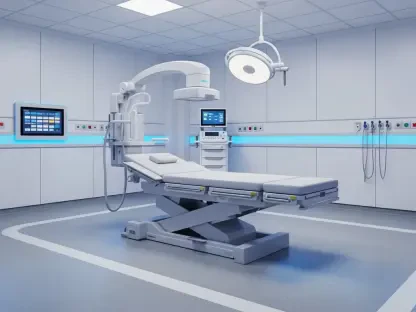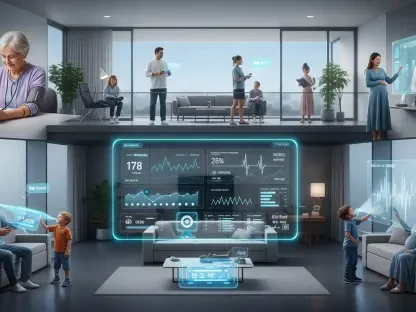
The era of Artificial Intelligence in healthcare is no longer a distant vision; it is a present-day reality actively reshaping the foundations of hospital management. AI is transitioning from a futuristic concept into a core technology that drives efficiency, precision, and patient-centered care. This shift marks a pivotal evolution from traditional, manual operations to an intelligent, automated ecosystem where data empowers every decision. The central promise of this transformation is the creation of a “future-ready” healthcare environment. By integrating AI into Hospital Management Systems (HMS), facilities are moving beyond reactive problem-solving. Instead, they are building predictive, proactive, and seamlessly interconnected systems that anticipate patient needs, optimize resource allocation, and elevate the standard of care for patients, providers, and administrators alike.
The New Digital Nervous System of Healthcare
At the heart of AI’s impact on modern healthcare is the profound shift toward intelligent automation, which is fundamentally redesigning the architecture of hospital management. The traditional model, heavily reliant on manual paperwork and fragmented information systems, is being methodically replaced by an intelligent, centralized nervous system that orchestrates a multitude of processes. Repetitive and time-consuming administrative tasks, such as appointment scheduling, medical billing, and routine data entry, are now streamlined with remarkable precision, which significantly minimizes the potential for human error. This automation does more than just accelerate workflows; it liberates invaluable human resources, allowing highly skilled clinical staff to disengage from clerical duties and dedicate more of their time and expertise to what matters most: direct patient interaction and care. The result is a more agile, responsive, and efficient workflow where processes are not only completed faster but are also fortified with a higher degree of accuracy, laying a new foundation for operational excellence.
While automation provides the engine for efficiency, the true transformative power of AI in hospital management comes from its unparalleled ability to facilitate data-driven decision-making. Hospitals are vast generators of data, producing immense volumes of clinical, operational, and financial information daily. Historically, much of this data remained siloed or underutilized. AI changes this paradigm by providing sophisticated analytical tools capable of processing and interpreting these massive datasets to uncover actionable insights. By identifying subtle patterns, predicting patient flow dynamics, and forecasting resource needs, AI equips clinicians and administrators with the evidence-based information required to make faster and more effective choices. This capability fundamentally moves hospital management from a reactive stance, where problems are addressed as they arise, to a proactive one, where potential bottlenecks, resource shortages, and clinical risks are anticipated and mitigated before they can escalate, fostering a culture of continuous improvement and strategic foresight.
Furthermore, AI-powered management systems serve as a powerful unifying force, systematically breaking down the long-standing information silos that have traditionally hindered communication and collaboration between different hospital departments. In many healthcare facilities, departments such as the pharmacy, laboratory, and radiology have operated as distinct entities with disparate information systems, leading to communication bottlenecks and inefficient resource allocation. An AI-driven HMS acts as a cohesive, all-in-one solution that integrates these disparate modules into a single, interconnected platform. This creates a seamless and instantaneous flow of information across the entire organization, ensuring that a patient’s journey is tracked holistically. This enhanced connectivity enables the highly optimized use of critical resources, including hospital beds, expensive medical equipment, and specialized staff, ensuring they are strategically deployed when and where they are most needed, thereby maximizing operational capacity and improving patient throughput.
Revolutionizing Core Hospital Departments
The integration of AI extends deep into the core clinical support services, revolutionizing departments like the pharmacy and laboratory. Within pharmacy management, AI elevates operations far beyond simple inventory tracking. It enables sophisticated predictive stock management algorithms that anticipate demand to prevent medication shortages while minimizing overstock. It also automates dispensing notifications and workflows, improving efficiency and safety. By integrating directly with Electronic Medical Record (EMR) systems, AI ensures that prescriptions are filled with pinpoint accuracy and documented correctly, which drastically reduces the risk of adverse drug events and medication errors. In the laboratory, the impact is equally profound. An AI-driven Laboratory Management System acts as a catalyst for speed and precision, automating routine sample processing, validating test results against established clinical parameters, and accelerating report generation. A key feature is its ability to intelligently flag abnormalities and critical values in real-time, providing clinicians with crucial alerts that enable quicker diagnostic interventions and more timely, life-saving treatment.
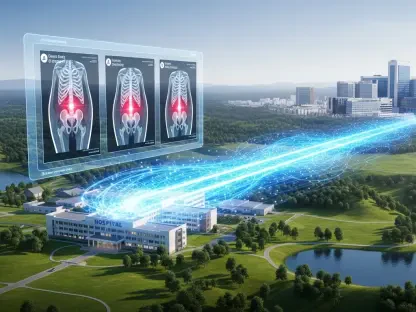
For departments like radiology, which are often overwhelmed by the high volume and complexity of imaging data, AI provides indispensable support for both diagnostics and workflow management. Advanced algorithms enhance image analysis, helping radiologists detect subtle anomalies that might be missed by the human eye. The technology also assists in generating structured, organized reports and intelligently diverts workflows to balance the caseload among available specialists, leading to more accurate interpretations, faster turnaround times, and a more efficient diagnostic process overall. Simultaneously, the outpatient experience is being completely redesigned for better coordination and heightened patient satisfaction. AI-powered clinic management software optimizes appointment scheduling based on real-time data and tracks a patient’s journey through the facility from check-in to departure. This ensures seamless care coordination between different specialists and services, minimizes wait times, and creates a smooth, efficient, and less stressful visit for the patient, transforming their perception of the healthcare experience.
On the administrative front, where efficiency directly impacts the financial viability of a hospital, AI brings unparalleled precision and speed to the entire revenue cycle. The technology ensures consistently accurate medical coding by analyzing clinical documentation and suggesting appropriate codes, which is a critical step for proper reimbursement. It performs real-time validation of insurance claims against payer rules before submission, drastically reducing the rate of claim denials and rejections that often delay payments. Furthermore, AI automates the generation of error-free invoices and manages patient billing with greater transparency and accuracy. This comprehensive administrative automation not only accelerates reimbursement timelines and significantly improves the hospital’s financial health but also substantially reduces the manual workload and potential for costly errors, freeing billing staff to handle more complex cases and patient inquiries.
A Dual Benefit for Providers and Patients
For healthcare providers navigating an increasingly demanding professional landscape, the primary advantage of an AI-driven management system is the significant reduction in their administrative and clerical workload. Clinicians, nurses, and support staff are often burdened by cumbersome paperwork, repetitive data entry, and complex scheduling tasks that divert their attention from core clinical responsibilities. By automating these routine functions, AI liberates them to focus their time, energy, and expertise on direct patient interaction, diagnosis, and treatment planning. This shift not only enhances the quality and depth of care delivered but also plays a crucial role in mitigating professional burnout, a growing crisis in the healthcare industry. With less time spent on administrative hurdles, providers can engage more meaningfully with their patients, leading to improved job satisfaction and a more sustainable, rewarding work environment that fosters clinical excellence.
From the patient’s perspective, the implementation of AI translates directly into a more convenient, responsive, and demonstrably safer healthcare journey. The positive impact begins at the very first point of contact, with intelligent systems enabling streamlined appointment scheduling and dramatically reduced waiting times, a common source of patient frustration. During their treatment, patients benefit from quicker and more accurate diagnoses, as AI tools assist clinicians in interpreting complex data and identifying health trends. This leads to the development of highly personalized care plans derived from a comprehensive analysis of their unique medical history and real-time health data. Enhanced safety is another critical outcome, as integrated systems cross-check information, flag potential drug interactions, and reduce the likelihood of human error throughout the care process. The overall result is a healthcare experience that feels more integrated, efficient, and centered around the individual’s specific needs and well-being.
Building a Resilient and Future-Proof Healthcare Model
The transformative integration of Artificial Intelligence into hospital management systems was shown to be the definitive pathway toward a more sustainable and high-performing healthcare future. Through the strategic deployment of smart automation and predictive analytics, hospital operations became faster, more precise, and fundamentally more patient-centric. This evolution empowered healthcare teams with the tools needed to overcome long-standing challenges related to inefficiency and fragmented communication. The synergy of AI with scalable, cloud-based platforms provided the adaptability necessary for healthcare institutions to thrive amidst dynamic changes in patient demand and operational complexity. As a result, the adoption of these technologies was established not as a mere upgrade, but as an essential foundation for any healthcare facility that aimed to remain effective and competitive, ultimately building a resilient model of care capable of meeting the complex demands of the modern world.