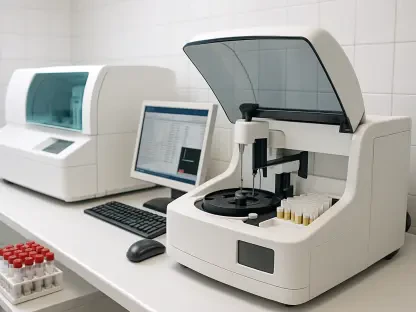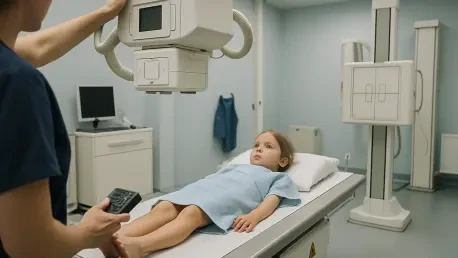

A comprehensive 20-year retrospective analysis has uncovered a critical and largely unacknowledged issue within pediatric radiology, revealing the existence of a “hidden workload” driven by a staggering increase in the number of images generated per study. This research documents an exponential rise in imaging volume over two decades, serving as a crucial alert to the medical community about the unprecedented strain this surge is placing on pediatric radiologists. The findings suggest this escalating pressure poses a significant threat not only to the well-being of physicians but also to the quality of diagnostic interpretations and the ultimate safety of patient care. This isn’t a matter of more patients, but of immensely more data per patient, fundamentally changing the nature of the radiologist’s task and creating challenges that the healthcare system is only now beginning to recognize and address.
The Escalating Burden of Data
The central theme of the analysis revolves around this hidden workload, a concept that refers not to an increase in the number of studies a radiologist reviews, but to the escalating complexity and data volume within each individual case. As advanced imaging modalities like Magnetic Resonance Imaging (MRI) and Computed Tomography (CT) scans have become more powerful, the number of images they produce for a single examination has grown exponentially. This quantitative increase has profound qualitative consequences, confronting radiologists with the monumental task of meticulously analyzing vast datasets under severe time constraints. This burgeoning volume directly amplifies the time needed for a thorough review of each study and, more critically, substantially heightens the cognitive load on the interpreting physician, turning a diagnostic task into a data management challenge.
The traditional, systematic approach to image interpretation becomes increasingly convoluted and mentally taxing when dealing with thousands of images per case, leading to significant mental fatigue. This state of cognitive overload is a direct precursor to an increased risk of diagnostic errors, a perilous outcome that is especially concerning when dealing with the vulnerable pediatric population. The sheer volume of information can obscure subtle but critical findings, and the pressure to maintain a high throughput can compromise the meticulous review process that is essential for accurate diagnoses. The invisible strain of sifting through this digital mountain of data is a silent threat to patient safety, transforming the radiologist’s role from a focused diagnostic expert to a data analyst struggling against the clock and the limits of human cognition.
A Widening Gap in Medical Education and Practice
The implications of this escalating workload extend far beyond the individual radiologist, permeating various facets of the healthcare system and exposing a notable paradox within radiology education. While academic programs are designed to equip residents and fellows with the technical expertise to interpret complex medical images, they often fail to adequately address the practical challenges of managing immense data volumes. There is a clear disconnect between learning the science of interpretation and learning the strategies for an efficient, accurate workflow in a high-pressure, high-volume environment. This educational gap calls for a fundamental re-evaluation of training methodologies to better prepare future radiologists not only with diagnostic knowledge but also with crucial skills in workflow optimization and cognitive load mitigation.
Furthermore, the research underscores that this issue, while particularly acute in pediatric radiology, reflects a broader trend across the entire medical imaging field. However, the stakes are exceptionally high in the pediatric context, as children are not simply small adults; their developing bodies, unique pathologies, and heightened sensitivity to radiation demand the highest standards of diagnostic precision. The hidden workload, therefore, presents a direct challenge to maintaining these essential care standards. The study acts as an urgent summons for hospital administrators, healthcare policymakers, and departmental leaders to recognize this systemic problem and take decisive, structural action. The invisible burden can no longer be overlooked, as it has tangible consequences for the quality of care delivered to young patients.
Technological and Structural Solutions
In response to this challenge, a multi-pronged approach centered on both technological innovation and fundamental changes to staffing is being advocated. One of the most promising avenues for relief is the strategic implementation of artificial intelligence (AI). AI-driven tools can play a transformative role by automating some of the most repetitive and time-consuming aspects of image analysis. For instance, AI algorithms can be leveraged to perform initial screenings, flag potentially abnormal findings for closer human review, assist in complex measurements, or help prioritize cases based on urgency. By delegating these tasks to intelligent systems, radiologists can better conserve and allocate their finite cognitive resources to the most complex and nuanced aspects of diagnosis that unequivocally require human expertise, clinical judgment, and critical thinking.
However, technology is not a panacea. AI solutions must be complemented by more comprehensive staffing models and workflow redesigns within radiology departments. A crucial step involves investing in additional personnel and creating specialized roles to support radiologists. For example, hiring imaging assistants or technologists specifically trained in preliminary image processing and data organization could significantly alleviate the diagnostic burden. By redistributing tasks more effectively across a specialized team, departments can create a more sustainable and resilient work environment. This team-based approach not only enhances diagnostic accuracy by reducing individual strain but also helps mitigate the high rates of burnout and emotional fatigue that are increasingly common among professionals caring for critically ill children.
A Collaborative Path Forward
The longitudinal study provided invaluable and timely evidence of a mounting crisis within pediatric radiology, successfully shining a spotlight on the hidden workload created by the explosion in image volume. By acknowledging this challenge, the healthcare community began a necessary conversation to address its root causes and consequences. The research presented a clear call to action: to shift the focus from mere image acquisition to the quality of interpretation and the well-being of the professionals who perform it. For the future of pediatric healthcare, it was imperative that hospital systems, educational institutions, and technology developers collaborated to devise and implement innovative solutions. Fostering a culture of awareness, investing in supportive technologies like AI, and rethinking traditional staffing models were all deemed essential for adapting to the evolving landscape of medical imaging and ensuring the continued delivery of the highest standard of care to the youngest patients.