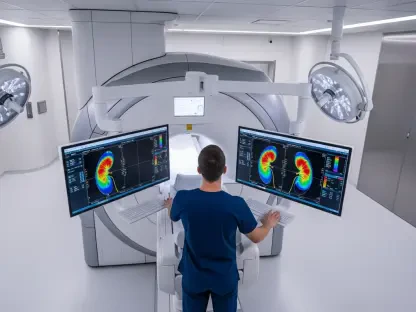

The Radiological Society of North America’s 2025 annual meeting in Chicago sent a clear and powerful message that the next great leap in medical imaging will be defined not by algorithms or hardware alone, but by a profound and renewed focus on the individual. The conference’s central theme, “Imaging the Individual,” served as a unifying thread across five distinct plenary sessions, asserting that the future of radiology depends on a multifaceted understanding of every person involved in the continuum of care—from the patient seeking a diagnosis and the physician providing it to the research participant enabling discovery. Presenters articulated a comprehensive vision where technological innovation is inextricably linked with compassionate leadership, collaborative spirit, and a deep-seated commitment to human well-being. The sessions collectively explored how imaging is pioneering an era of precision medicine, confronting the systemic crisis of physician burnout, revolutionizing research through inclusive data, reframing the societal dialogue on artificial intelligence, and offering new hope in the ongoing battle against devastating neurodegenerative diseases like Alzheimer’s.
The Guiding Vision of Precision Health
RSNA President Umar Mahmood, MD, PhD, established the meeting’s foundational philosophy by articulating a dual responsibility for the field of radiology: an unwavering commitment to the health of the global community and a sharp, unwavering focus on the unique nature of each individual patient and colleague. He explained that this spectrum, from the macro-level community to the micro-level self, inspired the “Imaging the Individual” theme. Dr. Mahmood detailed the profound evolution of imaging from a purely diagnostic modality into an indispensable cornerstone of precision medicine and, looking forward, precision health. He described how modern advancements in CT, MR, PET, and ultrasound have given clinicians the extraordinary ability to characterize disease not just at the organ level, but down to the molecular and cellular levels. This granular insight allows for the identification of disease risk long before clinical symptoms manifest and enables the guidance of highly targeted, personalized therapies that can fundamentally alter patient outcomes.
To illustrate the transformative potential of this human-centered approach, Dr. Mahmood recounted an early-career experience with a patient suffering from metastatic melanoma, where he witnessed a dramatic and unexpected tumor regression on a PET scan following an experimental therapy. That single image served as a powerful testament to how imaging-guided treatments can redefine the possibilities of care. He also highlighted the expanding role of opportunistic screening, a practice where routine imaging performed for one specific reason reveals an incidental, subclinical disease. This strategy effectively extends the reach of precision medicine “upstream,” shifting the paradigm from reactive treatment toward proactive prevention and wellness. This forward-thinking application of existing technology underscores the field’s growing capacity to not only manage illness but to actively preserve health by intervening at the earliest possible stages, reinforcing the core vision of a more personalized and preventative future for all patients.
An Inclusive Foundation for Medical Discovery
The promise of individualized medicine, as outlined by meeting leaders, is critically dependent on the quality and diversity of the data used to develop new technologies and treatments. This crucial topic was the focus of a plenary session led by Geoffrey Ginsburg, MD, PhD, chief medical and scientific officer of the National Institutes of Health’s All of Us Research Program. The program was specifically designed to rectify longstanding and significant gaps in biomedical research by building a comprehensive health database from at least one million people across the United States. A primary objective is to ensure substantial representation from communities historically underrepresented in research, thereby creating a more equitable and accurate foundation for medical discovery. Dr. Ginsburg posed a poignant question to the audience: “How many diagnostic breakthroughs have we missed because the patients in our imaging studies don’t represent the patients in our waiting rooms?” This question underscored the urgent need for data that reflects the true diversity of the population.
The All of Us program creates a rich, multidimensional portrait of health by integrating genomic data, electronic health records (EHRs), information from wearable devices, physical measurements, and extensive self-reported survey data. Since its 2018 launch, the program has successfully enrolled over 871,000 participants, and its dataset has been accessed by more than 20,000 researchers, contributing to nearly 1,100 peer-reviewed publications. For the radiology community, the most significant development is the program’s strategic move to incorporate imaging data. A new pilot initiative, “Eyes on Health,” is collecting retinal and optical coherence tomography (OCT) images from thousands of participants to investigate the links between ocular findings and systemic diseases. Dr. Ginsburg emphasized the immense potential this integration holds, stating, “By linking imaging to EHRs, genomics, wearables and rich survey data in a single secure environment, All of Us will allow radiologists to study imaging phenotypes in context.”
Addressing the Human Cost of Care
While technology and data are driving unprecedented advances in patient care, the practitioners themselves are facing a deepening crisis of well-being. Tait Shanafelt, MD, Stanford Medicine’s chief wellness officer, addressed this issue directly in his plenary, framing physician burnout as a critical occupational hazard that demands systemic, organizational-level solutions. He argued forcefully that the well-being of caregivers is not a personal responsibility to be managed through resilience training but a professional one that healthcare systems must address with the same rigor they apply to other workplace safety issues. Dr. Shanafelt noted that research shows radiologists suffer from above-average rates of burnout and experience higher mental demand compared to many other medical specialties. He challenged the conventional wisdom that individual resilience is the answer, stating, “We will not be able to ‘resilience’ our way out of this problem,” and asserting that a fundamental shift in institutional thinking is required to protect the healthcare workforce.
Dr. Shanafelt dismantled the notion that individual coping strategies can resolve issues rooted in systemic dysfunction, emphasizing that the most impactful and lasting solutions must originate from institutional change. While personal wellness practices can offer some relief, he explained that they cannot fix problems related to excessive workloads, inefficient processes, or a lack of organizational support. He concluded that the single strongest lever for fostering a genuine culture of well-being is leadership behavior. Leaders set the tone for the entire organization, and their commitment to managing workloads, fostering professional respect, and providing tangible support is essential for creating an environment where caregivers can thrive rather than just survive. By approaching clinician burnout as an occupational health issue, healthcare systems can begin to implement the structural changes necessary to ensure the long-term sustainability of the medical profession and the quality of patient care.
Rethinking Technology and Its Clinical Frontiers
Broadening the conference’s scope to the societal implications of technology, techno-sociologist Zeynep Tufekci, PhD, MA, delivered a thought-provoking plenary on artificial intelligence. She urged the audience to move beyond the common, often misleading, narratives surrounding AI, particularly the fear of direct human replacement. Dr. Tufekci argued that humans have a consistent history of misjudging the long-term impact of transformative tools because they focus on the wrong benchmarks. Instead of fearing a super-intelligent machine that thinks like a human, she warned that the more significant and immediate risk lies in AI’s ability to operate “well enough” at an unprecedented scale. This capability, she explained, could subtly but profoundly destabilize critical societal systems, from education and information integrity to governance and law. While acknowledging valid concerns about surveillance, bias, and accountability, Dr. Tufci ultimately expressed a cautious optimism, stressing the urgent need for deliberate and inclusive conversations about how society chooses to design and deploy these powerful technologies.
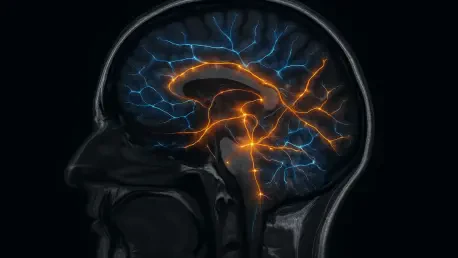
A final plenary session, delivered by Alexander Drzezga, MD, brought the meeting’s themes together in a hopeful look at the future of neurodegenerative disease, demonstrating how the principles of precision imaging, data integration, and advanced technology are converging to create a brighter future for patients with Alzheimer’s disease. He described how innovations in PET and MRI are accelerating progress in both the diagnosis and treatment of the disease. The development of sophisticated imaging biomarkers that can detect amyloid plaques and tau pathology—the hallmarks of Alzheimer’s—is reshaping clinical trials and, for the first time, enabling intervention before significant cognitive decline occurs. This represents a monumental shift towards pre-symptomatic risk assessment. Dr. Drzezga painted a picture of a rapidly advancing field where new disease-modifying therapies, improved quantitative staging tools like the Centiloid scale, complementary fluid biomarkers, and powerful AI-driven analysis are all converging to create what he called a “bright future” for patients.
A Unified Path Forward
The RSNA 2025 plenary sessions collectively portrayed a medical specialty at a pivotal moment, characterized by an expanding scope of practice and a deepening sense of responsibility. From the molecular insights of precision health and the ethical imperative of inclusive research to the critical importance of clinician well-being and the judicious adoption of artificial intelligence, the speakers reinforced a single, cohesive message. The presentations made it clear that the ultimate power of medical imaging lay not merely in technological innovation, but in how that innovation was applied with a steadfast focus on the individual. The central challenge—and greatest opportunity—for radiology had been defined as harnessing the torrent of advancing knowledge while remaining firmly grounded in the shared humanity of every patient and professional it was privileged to serve. The path forward was one of synergy, where technology amplifies, rather than replaces, the compassionate and expert care that defines the field.