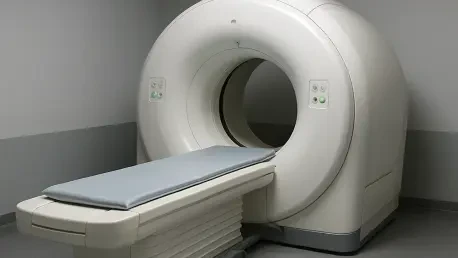

A significant technological leap in medical imaging is poised to fundamentally reshape neurological care by bringing a previously centralized, complex diagnostic tool directly to the patient’s point of care. The recent clinical validation of the first FDA-cleared portable, AI-powered Magnetic Resonance Imaging (MRI) system, the Hyperfine Swoop, marks a pivotal moment in the democratization of neuroimaging. This innovation is designed to move brain scan capabilities out of specialized hospital wings and into outpatient neurology clinics, empowering physicians with immediate diagnostic insights. By integrating advanced imaging directly into the clinical workflow, this new approach streamlines the diagnostic process, enhances patient management, and places a critical tool back into the hands of the neurologist during the patient’s visit, potentially shortening the time from symptom onset to diagnosis and treatment. This shift promises not only greater efficiency but also a more patient-centric approach to diagnosing and monitoring a wide range of neurological conditions.
Clinical Validation and Diagnostic Power
The NEURO PMR study, with its findings presented at the American Society of Neuroimaging annual meeting, has provided compelling evidence supporting the clinical efficacy of the Swoop system. In a rigorously designed, blinded review, independent neuroradiologists compared images from the portable device against those from conventional, high-field MRI scanners. The results demonstrated a remarkable 92% agreement in the identification of disease-related brain abnormalities, establishing the system’s reliability for routine diagnostic applications. This congruence is a critical benchmark, confirming that the technology produces clinically relevant and dependable images. More importantly, when the reviewers were provided with contextual clinical information—a scenario that mirrors real-world diagnostic practices—the agreement rate climbed to an impressive 98%. This finding powerfully suggests that when integrated as part of a comprehensive neurological examination, the portable MRI aligns almost perfectly with the diagnostic conclusions drawn from the industry’s gold-standard scanners.
This technological advancement is being hailed by clinical leaders as more than just an alternative imaging method; it represents a fundamental change in the practice of neurology. Dr. Laszlo Mechtler, the lead investigator of the NEURO PMR study, framed the portable MRI as a direct “extension of the neurological examination.” This perspective positions the Swoop system alongside other essential in-office diagnostic tools, such as electroencephalograms (EEG) and ultrasounds, rather than as a remote test to be ordered. By having this capability on-site, neurologists can obtain immediate insights that can guide patient care decisions in real time. This immediacy puts a powerful diagnostic tool “back into the neurologist’s hands,” according to Dr. Mechtler, which can meaningfully improve the quality of care, reduce diagnostic delays, and foster a more integrated and responsive approach to managing patients with complex neurological conditions like multiple sclerosis.
A Revolution in the Patient Experience
Beyond its proven clinical accuracy, the study unveiled a profound impact on the patient experience, highlighting an overwhelming preference for the portable system. When asked about future scans, participants were four times more likely to choose the Swoop system over a conventional MRI. This strong preference was substantiated by data showing that the portable MRI experience was rated more favorably across every single metric measured, including comfort, noise level, claustrophobia, and overall satisfaction. This is a critical finding, as the anxiety, discomfort, and claustrophobia associated with traditional enclosed-bore MRI scanners are well-documented barriers that often deter patients from undergoing necessary imaging or completing a scan successfully. By directly addressing these common pain points, the portable system not only enhances patient comfort but also improves compliance, ensuring that clinicians can obtain the vital diagnostic information they need without subjecting patients to a stressful ordeal.
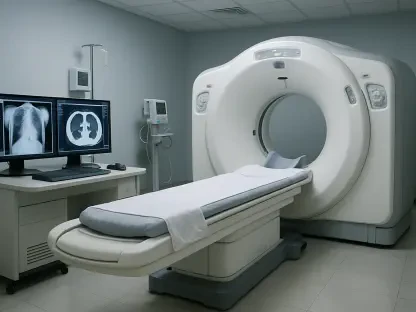
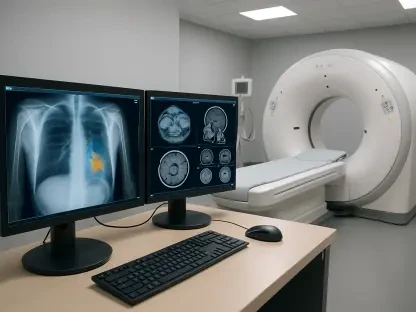
The superior patient experience is a direct result of the Swoop system’s innovative design, which fundamentally reimagines MRI technology. Conventional scanners depend on extremely powerful magnets to generate high-resolution images, a requirement that necessitates immense size, specialized infrastructure like shielded rooms and cryogenic cooling, and high operational costs. These factors have historically confined MRI technology to hospitals and dedicated imaging centers. In stark contrast, the Swoop system utilizes an ultra-low magnetic field, which, when coupled with sophisticated, AI-powered software, can generate clinically useful images from a compact and portable device. This design allows it to be safely wheeled into a standard exam room and operated from a regular electrical outlet, eliminating the need for complex and costly site preparations. This technological leap not only makes the system more accessible but also inherently quieter and less intimidating, transforming the patient’s interaction with this essential diagnostic tool.
Redefining Accessibility and Clinical Integration
The practical implications of this technology for outpatient neurology practices are transformative. The Swoop system’s design effectively removes the logistical, infrastructural, and economic barriers that have long prevented smaller clinics from offering on-site MRI services. Its ability to function in a standard clinical environment without specialized shielding or cooling systems drastically reduces the upfront investment and ongoing operational expenses. Furthermore, the system is designed so that existing clinic staff, rather than specialized technologists, can be trained to perform the scans. This seamless integration into the daily clinical workflow ensures that imaging can be conducted conveniently as part of a patient’s scheduled appointment. Critically, imaging performed with the Swoop system is eligible for reimbursement under existing CPT codes, making it a financially sustainable and viable option for clinical practices aiming to enhance their diagnostic capabilities and provide more comprehensive, patient-centric care.
The successful clinical validation of this portable MRI system marked a pivotal achievement for physicians, patients, and the broader healthcare system. By proving its diagnostic reliability in close alignment with the established gold standard, the technology offered clinicians a powerful new tool that could be deployed directly at the point of care. Simultaneously, its design delivered a vastly improved patient experience, which addressed long-standing issues of comfort and anxiety associated with traditional scans. This dual success enabled a more efficient, convenient, and cost-effective model for neurological care. The innovation empowered clinicians with timely diagnostic insights that were previously delayed by logistical hurdles, ultimately facilitating a higher standard of care delivery that placed both clinical accuracy and patient well-being at the forefront of medical practice.