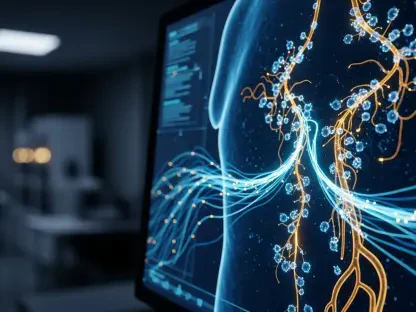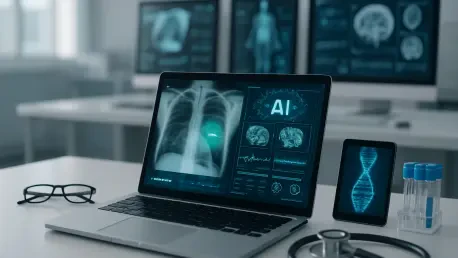
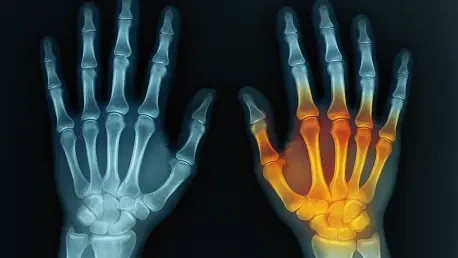
Diagnosing vascular conditions in the delicate and complex anatomy of a child's hand has long presented a formidable challenge, balancing the urgent need for clear images with the critical imperative to protect young patients from excessive radiation. Recent breakthroughs in pediatric radiology,

In the highly specialized and competitive world of medical technology, a prevailing strategy is to focus on a singular niche; however, EKF Diagnostics has forged a different path by establishing itself as a significant global player with a unique business model that merges Point-of-Care (POC)
A comprehensive analysis from a German cancer center has revealed a startling and widespread inconsistency between established clinical guidelines and the real-world application of magnetic resonance imaging for patients with soft tissue sarcomas. The study, which investigated the quality and
The precise and early diagnosis of prostate cancer remains a significant challenge in modern medicine, as current methods like serum PSA testing often lack the specificity needed to avoid over-diagnosis and subsequent unnecessary, invasive biopsies. Conventional ultrasound imaging, while widely

In a significant public health initiative designed to safeguard the well-being of future generations, the Sultanate of Oman has officially integrated mandatory medical examinations into the legal requirements for marriage. This new national policy, established under Royal Decree No. 111 / 2025 by
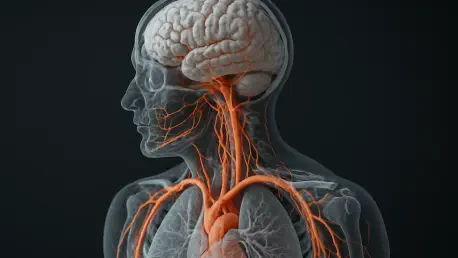
A groundbreaking fusion of materials science and biomedical engineering is setting a new standard for medical imaging, promising to overcome the fundamental barriers of current technology to enable ultra-high-resolution, three-dimensional views of biological structures that were previously