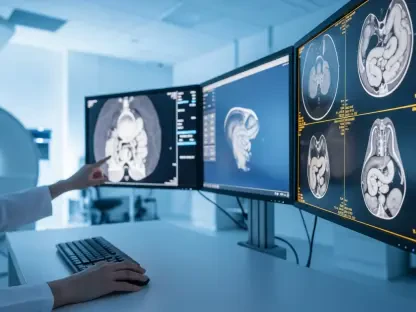
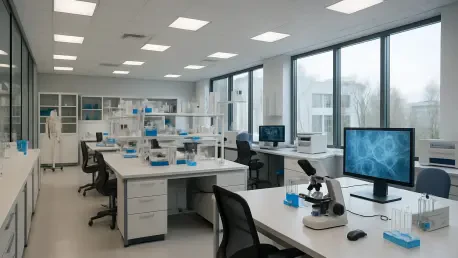
Imagine a city where life-saving medical tests are just a short trip away, where waiting weeks for a diagnosis becomes a relic of the past, and where cutting-edge technology meets community-focused care. This vision is rapidly becoming reality in Coventry, as a groundbreaking Community Diagnostic
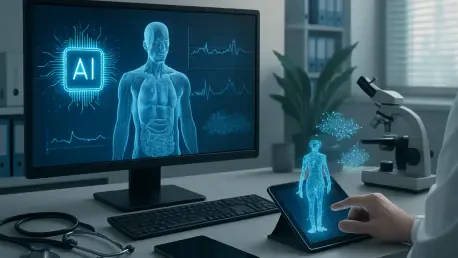
Imagine a world where medical breakthroughs happen at lightning speed, unhindered by the shackles of data privacy concerns or the staggering costs of traditional research methods. This isn't a distant dream but a reality being shaped right now by the potent combination of artificial intelligence
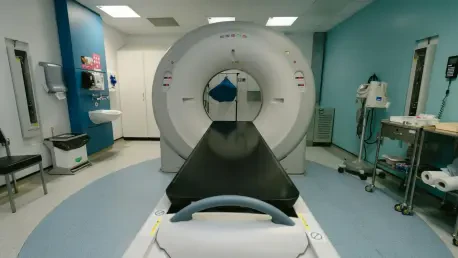
Imagine a world where a single scan, initially designed to track cancer progression, could also uncover hidden heart risks, potentially saving countless lives without added tests or costs. This isn’t a far-off dream but a reality being shaped by cutting-edge research in nuclear medicine. For cancer
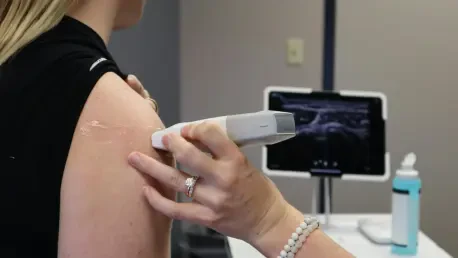
Imagine a world where medical imaging is so precise that even the tiniest vascular anomaly can be detected in real-time, empowering clinicians to make faster, more accurate diagnoses. Samsung has turned this vision into reality with the launch of its groundbreaking R20 ultrasound system, a
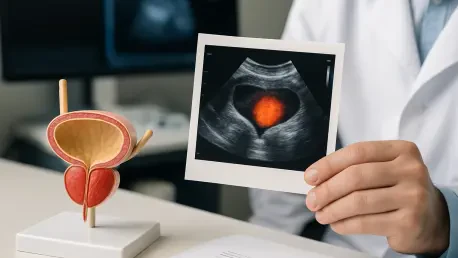
Imagine a world where a simple blood test could spare countless men from the anxiety and risks of unnecessary prostate biopsies, while still catching dangerous cancers early enough to save lives. That vision is becoming reality with the recent approval by the U.S. Food and Drug Administration of a
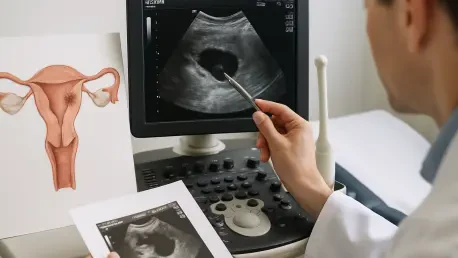
Picture a reality where millions of women no longer endure nearly a decade of pain and uncertainty before receiving a diagnosis for a condition as debilitating as endometriosis. In Canada, this vision is inching closer to fruition with the pioneering adoption of the ENDOSURE diagnostic test at