
The silent threat of intraventricular hemorrhage casts a long shadow over neonatal intensive care units, where the most vulnerable premature infants fight for their lives against overwhelming odds. This devastating brain bleed can lead to severe, lifelong neurodevelopmental impairments, yet its onset is often subtle, eluding detection until irreversible damage has occurred. For years, the standard approach has been largely reactive, identifying the injury only after the fact. However, a landmark study now illuminates a path toward proactive neuroprotection, detailing a comprehensive, multimodal framework that integrates three distinct technologies. By creating a continuous, real-time portrait of an infant’s cardiovascular and cerebral health, this innovative strategy offers the unprecedented ability to anticipate and potentially prevent brain injury, heralding a new era of precision medicine for this fragile population. This approach moves beyond single-modality assessments to capture the intricate dance between heart function and brain oxygenation, providing clinicians with the critical insights needed to intervene before a crisis unfolds.
A Paradigm Shift in Neonatal Care
The long-standing challenge in preventing IVH stems from the limitations of current diagnostic standards, which primarily rely on cranial ultrasounds performed at scheduled intervals. While invaluable for confirming a hemorrhage, this method provides only static snapshots in time, leaving clinicians blind to the dynamic physiological fluctuations that occur in the critical hours and days following a premature birth. This reactive model means that by the time an injury is identified, the opportunity for prevention has passed, and the focus shifts to damage control. The newly proposed framework fundamentally alters this paradigm, transitioning from a reactive posture to a proactive and preventative one. It establishes a system of continuous surveillance that monitors the delicate interplay of physiological systems, empowering caregivers to identify the subtle signs of impending instability and intervene preemptively. This shift represents a move away from generalized protocols and toward a highly individualized approach, where care is tailored to the specific, evolving needs of each infant.
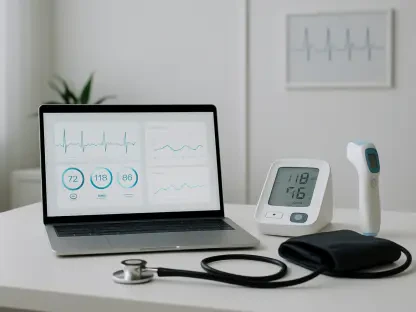
The true power of this new strategy lies in its synergistic design, which integrates data from three complementary technologies to create a single, cohesive view of the patient’s condition. Rather than assessing cardiovascular performance or cerebral oxygenation in isolation, the framework allows clinicians to see how these systems influence one another in real time. Echocardiography provides foundational hemodynamic data, near-infrared spectroscopy offers a direct window into brain health, and electrical cardiometry delivers continuous cardiac output measurements. By weaving these disparate data streams into a comprehensive physiological profile, the approach reveals complex patterns that would be invisible to any single technology. This holistic perspective is crucial, as IVH is a multifactorial condition driven by the intricate relationship between systemic blood flow and the brain’s fragile vasculature. Understanding this relationship is the key to unlocking truly preventative care, allowing clinicians to stabilize an infant’s entire system, not just treat isolated symptoms after the fact.
The Three Pillars of Protection
At the core of this integrated system, echocardiography serves as the hemodynamic cornerstone, providing an essential, high-resolution assessment of cardiac anatomy and function. This imaging technique allows clinicians to visualize the heart’s chambers, valves, and blood flow, yielding critical data on parameters such as stroke volume, cardiac output, and the cardiac index. For a preterm infant, whose circulatory system is still developing and highly fragile, this information is indispensable. Fluctuations in systemic blood pressure and blood flow, which are directly governed by the heart’s performance, can place immense stress on the delicate blood vessels of the germinal matrix—a highly vascularized area of the developing brain. By providing a detailed map of cardiac function, echocardiography helps clinicians understand the systemic forces at play, enabling them to identify and manage the circulatory instabilities that can overwhelm these fragile vessels and lead to catastrophic rupture and hemorrhage. This foundational data provides the context for interpreting other continuous monitoring streams.
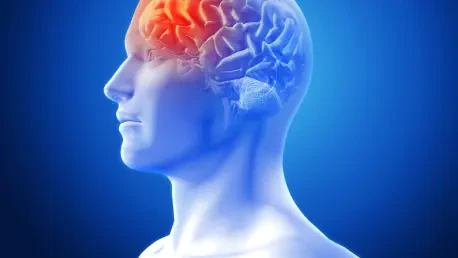
Building upon this cardiac assessment, near-infrared spectroscopy (NIRS) functions as a non-invasive sentinel, offering a continuous and direct view of the brain’s physiological state. By placing small sensors on the infant’s scalp, NIRS technology uses light to measure regional cerebral oxygen saturation (rSO2), providing immediate feedback on the critical balance between oxygen delivery to the brain and its metabolic consumption. This balance is exceedingly delicate in preterm infants and is a key factor in the pathophysiology of IVH. A significant mismatch, often resulting in periods of hypoxia or ischemia, can damage the cerebral vasculature and precipitate a bleed. The continuous nature of NIRS monitoring is its greatest strength; it can detect subtle but dangerous drops in brain oxygenation in real-time, long before clinical signs of distress become apparent. This early warning enables caregivers to make prompt interventions, such as adjusting ventilator support or optimizing circulation, to restore balance and protect the brain from injury.
The final component of this technological trio is electrical cardiometry (EC), a novel and powerful tool that complements the other modalities by providing continuous, non-invasive measurements of cardiac output. EC assesses changes in the electrical impedance of the thorax throughout the cardiac cycle to deliver beat-to-beat insights into stroke volume and circulatory function. Its primary advantage is the ability to track hemodynamic stability dynamically without resorting to invasive arterial or venous catheters, which pose significant risks of infection and injury to fragile neonates. This continuous stream of data offers a much more granular view of cardiac performance than intermittent echocardiograms can provide. When integrated with the detailed structural information from echocardiography and the real-time cerebral oxygenation data from NIRS, the information from EC completes a uniquely comprehensive and dynamic hemodynamic and neuro-physiologic profile, allowing for an unparalleled understanding of the infant’s condition.
From Data to Action and Clinical Impact
The process of “data triangulation,” or cross-referencing information from all three sources, is where this multimodal framework demonstrates its profound clinical value. Studies applying this approach have revealed nuanced patterns of circulatory instability and corresponding dips in cerebral oxygenation that consistently precede observable clinical deterioration or the development of IVH. A pivotal finding was the direct temporal alignment between fluctuations in cardiac output, as detected by EC, and concurrent shifts in brain oxygen levels, as measured by NIRS. This strong correlation provides compelling evidence of a direct causal link between systemic cardiovascular instability and cerebral vulnerability. It effectively creates a critical window for intervention, allowing clinicians to act on predictive data rather than reacting to an established injury. By illuminating these previously invisible physiological precursors, the integrated system transforms neonatal care from a practice of crisis management to one of informed, preemptive stabilization.
Beyond its diagnostic and predictive power, this framework has transformative therapeutic implications, empowering clinicians to make highly individualized and timely management decisions. The rich, real-time dataset allows for the precise titration of fluid therapy to optimize hydration without overloading the circulatory system, the judicious use of inotropic medications to support cardiac output, and the meticulous fine-tuning of ventilator settings to ensure optimal oxygenation and cerebral perfusion pressure. This patient-specific protocol enables caregivers to stabilize an infant’s fragile physiology with a level of precision that was previously unattainable. The ultimate goal extends beyond simply preventing a primary hemorrhage; it also aims to mitigate the risk of secondary brain injury that often follows the initial event due to inflammation and impaired blood flow. By fostering a dynamic clinical environment where interventions are guided by a continuous stream of comprehensive data, this model promises to substantially improve long-term neurodevelopmental outcomes.
A Glimpse into the Future of Neuroprotection
Practical implementation of this strategy within the demanding environment of a neonatal intensive care unit is designed to be seamless. While echocardiography remains an intermittent procedure requiring a trained specialist, both NIRS and EC are engineered for continuous, non-invasive monitoring at the bedside. This ensures that a constant stream of critical data is always available to the clinical team, providing uninterrupted surveillance. However, developers of this approach have objectively acknowledged the current limitations of these technologies. NIRS signals can sometimes be influenced by extracranial blood flow, and the accuracy of EC measurements may be affected by anatomical variability among infants. In response, a clear path forward involves ongoing technical refinements, the development of robust calibration standards to enhance accuracy, and the execution of larger, multicenter clinical trials. Such trials are essential to validate these promising findings across diverse patient populations and care settings, solidifying this framework as a new standard of care.
The integration of these multimodal data streams with artificial intelligence and machine learning algorithms ultimately defined the future of neonatal neuroprotection. Advanced systems were developed to synthesize the vast amount of physiologic data in real-time, generating predictive analytics that could automate risk stratification and provide sophisticated clinical decision support. This groundbreaking step revolutionized neonatal care by identifying at-risk infants earlier than ever before and suggesting optimal, individualized interventions grounded in a robust, evidence-based dataset. The ultimate measure of success for this innovative approach was the tangible improvement seen in patient-centered outcomes. Rigorous longitudinal studies tracked the neurodevelopmental trajectories of infants managed with this advanced monitoring, confirming that it translated directly into better cognitive, motor, and sensory functions later in life, offering newfound hope to countless families.