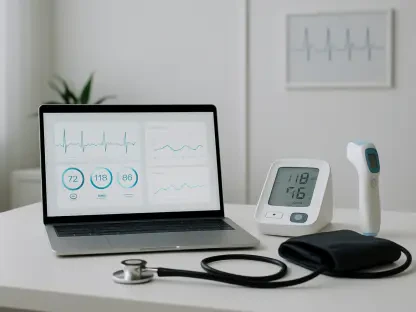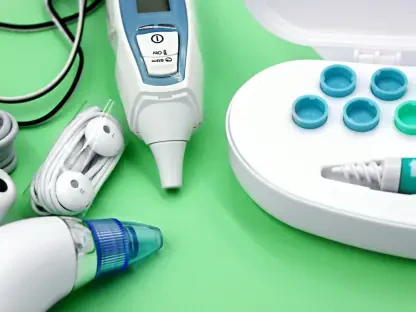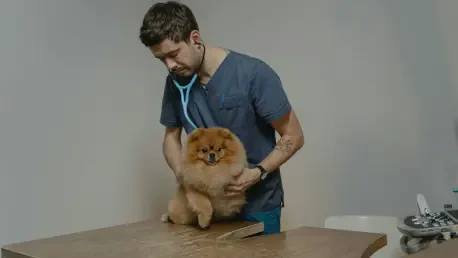

The paradigm of companion animal healthcare is experiencing a profound and rapid evolution, shifting from the exclusive domain of veterinary clinics to the familiar surroundings of the home. A burgeoning market of at-home diagnostic tests is empowering pet owners to become frontline participants in their animals’ health, utilizing simple kits to screen for a host of conditions ranging from urinary tract infections and internal parasites to chronic illnesses like kidney disease and diabetes. This sector, currently valued at over $85 million, is on a steep growth trajectory, projected to exceed $135 million by 2034. This financial momentum reflects a deeper cultural shift towards proactive and personalized pet wellness. It compels us to consider whether these direct-to-consumer diagnostic tools represent a revolutionary advancement that will fundamentally reshape veterinary medicine or if they are a supplementary convenience fraught with limitations that must be carefully navigated. The answer is complex, woven into the powerful forces driving their adoption, the sophistication of the underlying technology, and the critical challenges that the industry must still overcome to earn universal trust.
The Cultural and Commercial Catalysts
A primary engine propelling the growth of at-home pet diagnostics is the deep-seated cultural trend of pet humanization, where companion animals are increasingly viewed as integral members of the family deserving of the highest standard of care. This emotional connection has fostered a heightened sense of responsibility among owners, driving a desire for more proactive and preventive health management. At-home testing kits align perfectly with this ethos, providing a convenient and accessible way to monitor a pet’s health between routine veterinary check-ups. This is particularly beneficial for animals that experience significant stress during vet visits, such as those with anxious temperaments, elderly pets with mobility issues, or those with chronic conditions requiring frequent monitoring. The ability to detect potential health issues early, from the comfort of home, can lead to quicker intervention, improved treatment outcomes, and a greater sense of control for the owner, thereby fueling sustained demand for these products and services. The market’s expansion is further accelerated by the powerful combination of technological innovation and the rise of digital commerce. Rapid advancements in biotechnology have significantly enhanced the accuracy, reliability, and user-friendliness of these diagnostic kits, making them more approachable for the average pet owner. Concurrently, the proliferation of e-commerce and direct-to-consumer business models has been a critical enabler, allowing companies to bypass traditional retail gatekeepers and deliver these tools directly to a broad and engaged audience. This unparalleled accessibility has democratized aspects of pet healthcare, making it simpler than ever for owners to purchase and utilize these products. Furthermore, the industry is witnessing a wave of strategic consolidation through mergers and acquisitions. Major players are actively acquiring smaller, innovative firms to expand their product portfolios, gain access to cutting-edge technologies, and fortify their market position. This strategic activity not only accelerates overall industry growth but also fosters a competitive environment that encourages continuous improvement and innovation, ultimately benefiting the end consumer.
Examining the Technology and its Market Segments
The at-home pet testing market is characterized by a diverse array of products designed to meet various diagnostic needs, broadly categorized into two main types. The most straightforward are instant-result kits, such as urinalysis dipsticks, which offer immediate feedback on key biomarkers related to kidney function, urinary tract health, and metabolic balance. For more in-depth analysis, mail-in kits provide a more comprehensive solution. With these, an owner collects a sample—be it fecal matter, saliva, or blood—and sends it to a certified laboratory for professional evaluation, with detailed results typically delivered through a digital portal. Among the various animal types, the dog segment currently commands the largest market share and is expected to continue driving growth. This dominance is attributable to several key factors: dogs are susceptible to a wide spectrum of health conditions that benefit from regular monitoring, including chronic diseases like diabetes, infectious illnesses such as parvovirus, and various cancers. Moreover, dogs often exhibit more overt clinical symptoms when unwell compared to other pets, which tends to prompt their owners to seek diagnostic solutions more readily, leading to high demand for canine-specific products. The market’s segmentation by sample type reveals a clear trend toward more sophisticated and accurate methods, with the blood segment dominating in 2025 and projected to grow at the highest rate. Blood-based tests are highly valued within the veterinary community for their diagnostic versatility and superior accuracy in screening for a broad range of serious health conditions that cannot be reliably detected through other sample types. Historically, the difficulty of collecting a blood sample at home posed a significant barrier to widespread adoption. However, recent technological breakthroughs have made at-home capillary blood collection far more feasible. Modern kits now include user-friendly, minimally invasive lancets and collection devices that allow owners to gather the small samples required with minimal stress to the pet. These samples can then be mailed to a laboratory for analysis, unlocking access to advanced diagnostics, a trend exemplified by the development of blood-based biomarker tests for the early detection of complex diseases like renal and cardiovascular conditions.
Confronting the Challenges and Limitations
Despite its significant promise and rapid growth, the at-home diagnostic industry faces considerable headwinds that could impede its widespread acceptance, chief among them being persistent concerns regarding test accuracy and the potential for user error. The reliability of any diagnostic test is fundamentally dependent on the quality of the sample and the precision of the procedure. Many at-home kits require pet owners, who often lack clinical training, to collect small, time-sensitive samples and adhere to strict handling protocols. Errors during this critical stage—such as sample contamination, collecting an improper volume, incorrect storage, or delays in mailing—can easily lead to inaccurate or invalid results. The consequences of such errors are not trivial. A false-positive result can trigger unnecessary anxiety and emotional distress for the pet owner, leading to costly and potentially invasive follow-up procedures at a veterinary clinic. More dangerously, a false-negative result could provide a misleading sense of security, causing an owner to delay seeking professional care for a genuine and potentially serious medical condition, which could ultimately worsen the pet’s prognosis. These potential inaccuracies represent a significant risk that could erode consumer confidence and deter both initial purchases and long-term adoption. While the convenience of at-home testing is a primary selling point, the inherent lack of immediate professional oversight for result interpretation constitutes a significant drawback. These tests generate raw data, but data without context can be misleading or even harmful. A pet owner may struggle to understand the clinical significance of the results, leading to one of two undesirable outcomes: either they overreact to a minor fluctuation, causing undue panic, or they fail to recognize a critical warning sign that warrants urgent veterinary attention. This gap between obtaining information and possessing the medical expertise to act on it appropriately is a major risk. It highlights the irreplaceable role of veterinarians in diagnosing conditions, developing treatment plans, and providing nuanced guidance. Without this professional partnership, at-home testing risks becoming a source of confusion rather than a tool for empowerment, potentially leading to inappropriate actions or, conversely, a critical failure to act.
Pioneering the Next Wave of Integrated Pet Care
The industry is proactively addressing its core challenges by embracing technological integration and innovative business models designed to bridge the gap between at-home convenience and professional veterinary expertise. A pivotal trend, especially in developed markets, is the integration of smartphone connectivity with diagnostic devices. This approach transforms a simple test into a comprehensive health management tool. Connected products can offer automated result interpretation through sophisticated algorithms, store historical health data in the cloud for easy tracking, and, most importantly, seamlessly link to veterinary telemedicine platforms. This digital ecosystem allows a pet owner to conduct a test at home and then immediately consult with a qualified veterinarian via video call to discuss the results, receive guidance, and determine the appropriate next steps. This fusion of technologies effectively mitigates the risk of misinterpretation and ensures that at-home testing serves as a valuable, supervised component of a pet’s overall healthcare plan rather than an isolated data point. In parallel with technological advancements, companies are increasingly shifting from a transactional, product-based approach to a more holistic, service-oriented one through the adoption of subscription-based business models. These recurring revenue models offer pet owners a structured and convenient path to ongoing health monitoring. A typical subscription might include the automated delivery of test kits at regular intervals, bundled with access to telehealth consultations and personalized wellness plans. This approach not only promotes better owner compliance with preventive care routines and medication adherence but also fosters a stronger, more continuous relationship between the pet owner, the technology provider, and the veterinary professional. For companies, it creates a predictable and steady revenue stream, enabling sustained investment in research, development, and customer support. This model is reshaping the market by positioning at-home diagnostics not as a one-off purchase but as an integral part of a long-term wellness journey for the pet.
A New Paradigm in Pet Wellness
The evolution of at-home diagnostics marked a significant turning point in companion animal wellness. It became clear that the future was not a choice between at-home testing and traditional veterinary clinics but rather a sophisticated integration of the two. The most successful platforms were those that transformed raw data into actionable insights by seamlessly connecting pet owners with veterinary professionals. This collaborative ecosystem addressed the core limitations of accuracy and interpretation by creating a continuous feedback loop. Companies that pioneered hybrid models, offering both user-friendly DIY kits and professional in-home sample collection services, ultimately built the most trust. This approach empowered owners with choice and provided veterinarians with a more consistent stream of longitudinal health data, enabling a shift from reactive treatment to a truly proactive and personalized model of care. The technology had not replaced the veterinarian; instead, it had extended the veterinarian’s reach directly into the home, fostering a more informed and engaged partnership in safeguarding the health of beloved pets.