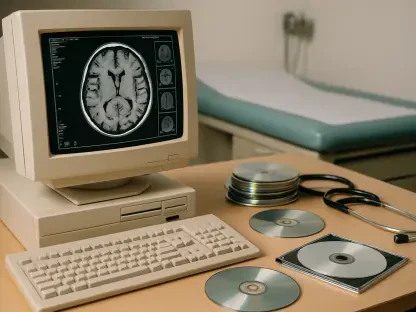

Access to timely and advanced medical diagnostics often represents a significant divide between urban and rural communities, a gap that can directly impact patient outcomes and create prolonged periods of anxiety for those awaiting crucial health information. For residents in the Blue Earth area, this disparity has been a tangible reality, with the local healthcare provider, United Hospital District (UHD), constrained by a mobile MRI service available only two days a week. This logistical bottleneck has consistently led to frustrating delays and a growing backlog of patients in need of scans. However, a landmark philanthropic gift is set to dismantle this barrier, paving the way for a permanent, state-of-the-art MRI system that promises to revolutionize diagnostic capabilities for the region. This development is not merely an equipment upgrade; it represents a fundamental shift in the standard of care, promising to bring a level of medical imaging on par with larger metropolitan hospitals and ensuring that geography is no longer a determinant of access to essential healthcare technology. The new system, expected to be operational by 2027, will empower clinicians with the tools they need for faster diagnoses and more effective treatment planning.
Addressing the Diagnostic Deficit
The Constraints of Mobile Technology
The current reliance on a mobile MRI unit at United Hospital District underscores a significant challenge faced by many rural healthcare facilities: the struggle to provide consistent access to advanced medical technology. With the mobile unit visiting the Blue Earth campus just twice a week, the hospital has been hard-pressed to keep up with the diagnostic needs of its community. The facility performs over 110 scans each month, a volume that far exceeds the capacity of the limited schedule, resulting in a persistent backlog of patients. This scheduling inflexibility means that individuals requiring an MRI scan often face an arduous wait, sometimes extending to two weeks or even longer. Such delays are more than just an inconvenience; for patients awaiting results to diagnose potentially serious conditions like cancer, neurological disorders, or internal injuries, this waiting period is a source of immense stress and uncertainty. This gap between the initial referral and the eventual scan can postpone the start of critical treatments, a delay that can have profound consequences on a patient’s prognosis and overall health journey. The logistical limitations inherent in a shared, mobile service create a systemic bottleneck that directly impacts the speed and efficiency of the entire care continuum.
The operational challenges of the mobile MRI service extend beyond simple scheduling conflicts, creating a ripple effect that touches every aspect of patient care and hospital workflow. When diagnostic imaging is only available on specific days, physicians must strategically plan patient consultations and follow-up appointments around this restrictive timetable, complicating care coordination. An urgent but non-emergency case that arises the day after the mobile unit has departed might be forced to wait nearly a full week for the next available slot, disrupting the continuity of care. Furthermore, this system places a considerable administrative burden on hospital staff, who must manage a complex waiting list and communicate frustrating delays to anxious patients. The dependency on an external unit also means that any unexpected maintenance issues or travel disruptions affecting the mobile service can lead to last-minute cancellations, further compounding the backlog and patient frustration. This model, born of necessity, highlights the stark contrast with urban centers where on-demand access to on-site imaging is standard. For UHD, the transition to a permanent, in-house MRI is therefore not just about increasing capacity but about regaining control over a critical component of modern medical diagnostics and patient management.
The Patient Experience and Clinical Impact
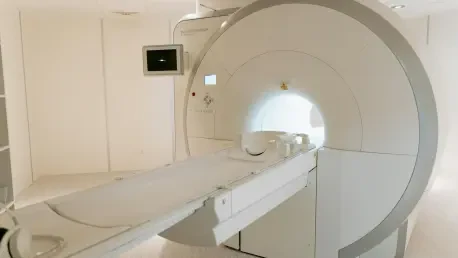
Beyond the logistical hurdles and diagnostic delays, the physical design of the current mobile MRI unit presents another significant barrier to patient care, particularly for individuals susceptible to anxiety or claustrophobia. Traditional MRI machines feature a narrow, enclosed tube, or bore, which can be an intensely uncomfortable and intimidating environment. For many patients, the prospect of lying still in such a confined space for an extended period is a major source of distress. This anxiety is not a minor inconvenience; it can lead to patients refusing necessary scans or requiring sedation, which introduces its own set of medical risks and complexities. Hospital officials have acknowledged that the design of the visiting unit contributes to this negative patient experience, creating an atmosphere of stress rather than one of healing. When a diagnostic procedure itself becomes a source of fear, it undermines the goal of providing compassionate and patient-centered care. The psychological impact of the procedure can be as significant as the clinical findings, and addressing this aspect is crucial for improving healthcare delivery and ensuring patients feel safe and respected throughout their diagnostic journey, a goal that has been difficult to achieve with the existing mobile technology.
The planned acquisition of a new, fixed MRI system is set to directly address these long-standing issues of patient discomfort by incorporating modern, patient-centric design features. A key innovation of the new equipment is its ability to perform a majority of scans with the patient entering the machine feet-first. This seemingly simple change has a profound impact on the patient experience, as it allows an individual’s head to remain outside of the enclosed bore for many types of examinations. This “head-out” capability is a game-changer for claustrophobic patients, transforming a potentially terrifying ordeal into a manageable one. By substantially reducing the feeling of confinement, the new technology will alleviate a major source of anxiety and improve patient cooperation during scans, which can in turn lead to higher-quality images. This improvement is a crucial step toward creating a more compassionate and less stressful diagnostic environment. It ensures that the focus remains on obtaining vital medical information without causing undue emotional or psychological distress, ultimately making essential diagnostic imaging more accessible and tolerable for a wider segment of the patient population.
A Philanthropic Solution and Future Vision
The Path to Acquisition
The catalyst for this transformative project was not a lengthy grant application or a strategic budget allocation, but a fortuitous conversation. A chance meeting between a UHD staff member and philanthropist Mike Hoffmann ignited the spark that would ultimately lead to the acquisition of the new MRI system. This interaction brought the hospital’s pressing need to the attention of the Mike and Tami Hoffmann Family Foundation, which responded with a remarkable $1.5 million donation. This generous gift became the financial cornerstone of the project, turning a long-held aspiration into a tangible reality. According to UHD’s CEO, Rick Ash, the hospital would have been unable to fund such a significant capital investment on its own for at least another five to ten years. The immense financial pressures currently facing rural healthcare systems across the nation, including rising operational costs and limited reimbursement rates, make multimillion-dollar equipment purchases exceptionally difficult. The Hoffmann family’s contribution effectively bypassed years of financial uncertainty, accelerating the timeline and ensuring the community would not have to wait a decade for this critical upgrade in diagnostic technology.
This philanthropic intervention highlights a broader trend in which community support and private donations play an indispensable role in sustaining and advancing rural healthcare. For hospitals like UHD, which operate on tight margins, major capital projects often remain just out of reach without external funding. While the hospital had the foresight to include a dedicated “shell space” for a future MRI machine during a facility expansion back in 2011, the room sat empty, a testament to the financial constraints that prevented its completion. The $1.5 million gift will not only cover the cost of the advanced imaging equipment itself but will also fund the significant construction required to prepare the space for installation, including specialized shielding, electrical systems, and climate control. This project serves as a powerful example of how targeted philanthropy can directly address critical infrastructure gaps in underserved areas. By bridging the financial divide, the Hoffmann Family Foundation has not only invested in a piece of equipment but has also made a profound investment in the health and well-being of the entire Blue Earth community for years to come.
A Legacy of Enhanced Care
With funding secured, the focus shifted toward the intricate process of implementation, a journey that involved both careful planning and substantial construction to bring this vision to life. The “shell space” allocated in 2011 provided a foundation, but transforming it into a fully functional MRI suite was a complex undertaking. The project necessitated specialized architectural and engineering work to accommodate the powerful magnetic fields and sensitive electronics of the new machine. Until the new unit became fully operational in 2027, the hospital made arrangements for the mobile MRI to continue its twice-weekly service, ensuring there was no interruption in patient care during the transition period. This investment was viewed by hospital leadership and the community not merely as an equipment upgrade but as a pivotal step toward achieving healthcare equity. It solidified a commitment to ensuring that rural residents had access to the same high-quality, high-technology diagnostic tools that were readily available in larger urban centers, effectively leveling the playing field for local patients and clinicians. The decision to pursue this project reflected a forward-thinking strategy to enhance the hospital’s capabilities and secure its role as a vital healthcare hub for the region.