
For years, a cancer diagnosis for residents of the Pitiusas Islands came with an additional, unavoidable burden: the necessity of off-island travel for essential diagnostic procedures, a reality that added immense logistical and emotional strain to an already challenging journey. This gap in local healthcare meant that patients and their families faced repeated, disruptive trips to Palma for advanced scans, often delaying the start of time-sensitive treatments. The absence of on-island nuclear medicine facilities created a significant disparity in care, forcing individuals to navigate a complex system of travel and appointments while coping with their illness. This situation underscored a pressing need for a fundamental change—a move to bring sophisticated oncological technology directly to the community, ensuring that high-quality care was a matter of local access, not a destination. The transformation that has occurred over the last two years has not only closed this gap but has also established a new benchmark for medical services in the region.
A New Era of Oncological Diagnostics
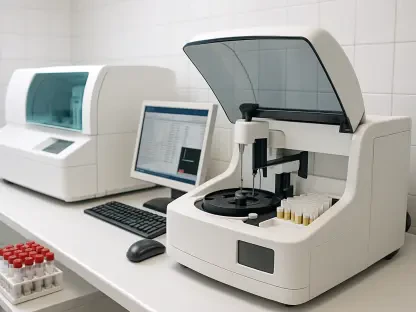
The establishment of the first and only Nuclear Medicine service at Clínica Vila Parc has been a landmark achievement, fundamentally altering the landscape of cancer care in Ibiza and Formentera. At the heart of this transformation is the clinic’s state-of-the-art PET-CT technology, which has single-handedly eliminated the need for patients to travel abroad for these critical diagnostic tests. In a pivotal collaboration with the public health service, Ib-Salut, the clinic has ensured that this advanced service is accessible to both public and private patients, promoting equity in healthcare across the islands. During its initial two years of operation, the facility has conducted 1,051 tests, a figure that quantifies the direct impact on the community. Each test represents a patient who was able to receive a rapid, precise diagnosis within their own community, surrounded by their support network, thereby alleviating the profound stress, cost, and disruption previously associated with off-island medical journeys.
The immense value of this new service is rooted in the sophisticated capabilities of Positron Emission Tomography and Computed Tomography (PET-CT), a cornerstone of modern oncology. This powerful hybrid imaging technology provides a comprehensive view of a patient’s condition by merging two distinct types of scans into a single, detailed image. The PET component offers functional imaging, highlighting the metabolic activity of cells and allowing physicians to identify cancerous tissues by their increased energy consumption. Simultaneously, the CT component provides a high-resolution anatomical map of the body. According to Dr. Pilar María, the clinic’s Nuclear Medicine specialist, this dual capability represents a “turning point” in diagnostics. It empowers clinicians to detect malignant lesions at their earliest and most treatable stages, accurately assess their size and spread, and closely monitor the effectiveness of treatments like chemotherapy, ultimately leading to more personalized care strategies and improved patient outcomes.
Overcoming Challenges and Expanding Horizons
Implementing such a technologically advanced service was a formidable endeavor, presenting a complex web of logistical, technical, and human resource challenges. The project demanded a significant capital investment to construct the specialized infrastructure required to house and safely operate the PET-CT system. Furthermore, it necessitated the recruitment and training of a highly specialized, multidisciplinary team composed of nuclear medicine physicians, radiologists, physicists, and technicians. Clinic director Tomás Isidoro described the initiative as an “ambitious and very complex” project, but one that was essential to elevate the standard of care available to the residents of the Pitiusas Islands. The successful launch has delivered benefits that extend far beyond mere convenience. By dramatically shortening the crucial time between diagnosis and the initiation of treatment, the service directly enhances the potential efficacy of oncological therapies, a critical factor in improving patient survival rates.
With the PET-CT service firmly established as a cornerstone of local healthcare, Clínica Vila Parc reinforced its dedication to medical innovation by moving forward with its next technological advancement. This commitment materialized with the acquisition of a new SPECT-CT (Single Photon Emission Computed Tomography) system, an advanced diagnostic tool that was brought on-site and prepared for operation. This strategic addition was carefully planned to complement the existing PET-CT capabilities and significantly broaden the clinic’s diagnostic scope. The introduction of SPECT-CT expanded the facility’s expertise beyond oncology, enabling advanced imaging for other vital medical fields such as cardiology, bone medicine, and the assessment of renal and endocrine pathologies. This development cemented the clinic’s role as a leading regional medical center, proving that the most advanced technologies could be brought directly to the community, thereby ensuring residents had access to a comprehensive suite of world-class diagnostic services close to home.