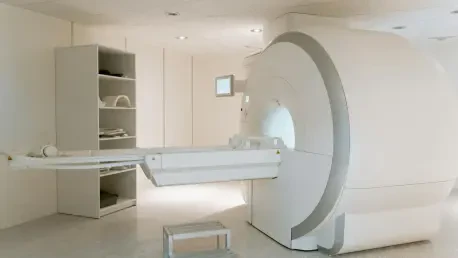

Securing high-level medical certification is often the primary differentiator between a standard healthcare provider and a center of clinical excellence. Fulton County Medical Center recently reached this milestone by obtaining multiple national accreditations for its Diagnostic Imaging Department, a feat that underscores a deep commitment to modern medical protocols. The facility earned prestigious recognition from the American College of Radiology for its work in Computed Tomography, Magnetic Resonance Imaging, Mammography, and Ultrasound. Additionally, the Intersocietal Accreditation Commission granted accreditation for Nuclear Medicine, effectively validating the department as a high-performing diagnostic hub. These accolades are not merely decorative honors but serve as a rigorous verification of the hospital’s ability to produce high-quality imaging that meets strict national benchmarks for accuracy and safety. By aligning with these standards, the facility ensures that local residents have access to the same level of diagnostic precision found in the largest academic medical centers.
The process of achieving these certifications involves an exhaustive review of every operational facet within the imaging department. To earn the “gold standard” designation, the institution underwent a comprehensive evaluation that scrutinized specific imaging protocols, the technical condition of the hardware, and the ongoing professional development of the medical staff. Specialized training for technologists and the oversight provided by supervising physicians were key components of the review, ensuring that every scan performed is optimized for diagnostic clarity while minimizing radiation exposure where applicable. This commitment to quality control shifts the narrative away from the physical size of a hospital and places the focus squarely on the caliber of its personnel and the reliability of its technology. For a rural healthcare provider, this achievement bridges a critical gap, proving that geographic location does not have to be a barrier to receiving top-tier medical services. This dedication to excellence allows the hospital to maintain its status as a trusted pillar for community health.
Advancing Rural Healthcare Through Specialized Diagnostics
Maintaining these high standards of care requires a continuous cycle of reinvestment and rigorous internal monitoring that extends far beyond the initial accreditation phase. As a non-profit organization, the medical center prioritizes the reinvestment of resources back into the community, ensuring that the latest advancements in diagnostic imaging remain available locally. The presence of accredited services for MRI and Nuclear Medicine means that patients facing complex health challenges can receive timely and accurate diagnoses without the stress of long-distance travel to metropolitan areas. This accessibility is vital for early intervention and long-term health outcomes, as it reduces the delays often associated with seeking specialized care. The staff’s commitment to quality assurance ensures that every image captured is of a high enough standard to be used by specialists anywhere in the country, facilitating seamless coordination of care. This infrastructure creates a reliable environment where clinical decisions are backed by validated, expert-level data, fostering a deeper sense of security for every patient who walks through the doors.
Future considerations for healthcare providers in similar settings should focus on the integration of these accredited imaging services into broader preventative health initiatives. To maximize the impact of such high-level diagnostic capabilities, the medical center should continue to expand its outreach programs, emphasizing the importance of regular screenings like mammography and ultrasound for early disease detection. Patients and local physicians are encouraged to utilize these local accredited services as a first line of defense, ensuring that any potential health issues are identified with the highest degree of accuracy available. Moving forward, the facility must maintain its rigorous training schedules and equipment update cycles to ensure that these national standards are not just met, but exceeded. By consistently participating in these voluntary accreditation programs, the hospital demonstrates a proactive stance on patient safety and diagnostic integrity. Strengthening the collaboration between diagnostic departments and primary care providers will be essential in leveraging these technical achievements to improve the overall health trajectory of the community in the years to come.