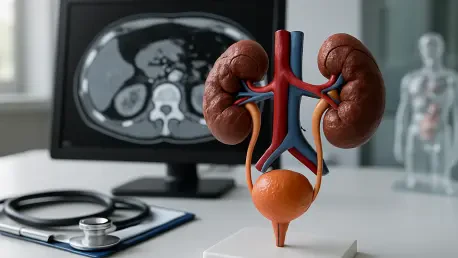

The landscape of urological oncology is currently undergoing a massive transformation as the boundaries between diagnostics and therapy continue to blur in favor of more integrated patient management. This shift is most recently exemplified by the announcement that the European Association of Nuclear Medicine has officially joined the organizing committee for the upcoming European Multidisciplinary Congress on Urological Cancers. By aligning with established giants such as the European Association of Urology, the European Society of Radiology, and the European Society for Radiotherapy and Oncology, the addition of nuclear medicine specialists creates a powerful “quadruple alliance” that aims to redefine the standard of care. This move is not merely administrative but a direct response to the increasing reliance on molecular data to guide surgical and radiological interventions in the treatment of complex malignancies.
The congress, set to convene in Brussels from November 5–8, 2026, serves as a critical junction for clinicians who are navigating the rapid influx of new biotechnologies and imaging tracers. Traditionally, urology, oncology, and radiology operated in relatively isolated spheres, often leading to fragmented care pathways that did not always account for the full biological profile of a patient’s tumor. However, the presence of the nuclear medicine community as a core partner ensures that functional imaging and metabolic insights are woven into every discussion, from the initial screening to the management of advanced metastatic disease. This collaborative environment is designed to dissolve professional silos, allowing for a more cohesive exchange of knowledge that ultimately improves clinical accuracy and enhances the overall patient experience throughout their treatment journey.
The Evolution of Molecular Imaging in Urological Oncology
Transforming Diagnosis and Staging with PSMA PET/CT
The integration of Prostate-Specific Membrane Antigen PET/CT imaging has fundamentally altered the diagnostic paradigm for prostate cancer by offering a window into the cellular activity of the disease. While traditional anatomical modalities such as CT scans and MRI have long been the standard for assessing structural changes, they frequently fail to detect microscopic metastases that have not yet caused significant physical alterations to lymph nodes or bone tissue. PSMA PET/CT bridges this gap by utilizing radiolabeled ligands that bind specifically to the PSMA enzyme, which is highly expressed on the surface of most prostate cancer cells. This specificity allows for the visualization of even small clusters of malignant cells, providing a much higher degree of sensitivity and specificity than was achievable in previous years. Consequently, clinicians can now identify the precise extent of the disease with much greater confidence, leading to staging that is more accurate and reflective of the actual tumor burden.
Building on these diagnostic advancements, the upcoming congress will delve into how these high-resolution images are actively changing the surgical and therapeutic landscape. When a scan reveals early nodal involvement that would have remained invisible on a standard CT scan, the entire management plan for the patient undergoes a radical shift. Instead of proceeding with a localized radical prostatectomy that might leave residual systemic disease behind, the multidisciplinary team may opt for a combination of systemic therapy and targeted radiation. This proactive approach helps in avoiding the pitfalls of both undertreatment and unnecessary over-treatment, ensuring that aggressive interventions are reserved for those who will benefit most. Experts at the event will focus on standardizing these imaging protocols across Europe to ensure that every patient, regardless of their location, has access to the same level of diagnostic precision and data-driven care.
Enhancing Risk Assessment through Functional Data
The shift toward molecular imaging also introduces a more nuanced way to assess patient risk and predict potential treatment outcomes before therapy even begins. By analyzing the intensity of tracer uptake, often measured through standardized uptake values, nuclear medicine specialists can provide urologists with a quantitative assessment of a tumor’s aggressiveness. This biological insight is far more predictive than traditional Gleason scores alone, as it accounts for the heterogeneity of the disease within the same patient. During the sessions in Brussels, researchers will present findings on how these functional markers can be used to monitor the effectiveness of androgen deprivation therapy in real-time. If the metabolic activity of a lesion does not decrease following the initiation of treatment, it serves as an early warning sign that the cancer may be developing resistance, allowing doctors to pivot to alternative strategies much sooner than they would have in the past.
Moreover, the integration of functional data into routine clinical workflows requires a sophisticated level of interdisciplinary communication that the congress is specifically designed to facilitate. Radiologists and nuclear medicine physicians must work closely with urologists to ensure that the findings from a PET/CT scan are correctly interpreted within the context of the patient’s clinical history and physical symptoms. This prevents the misinterpretation of “false positives” that can sometimes occur due to inflammation or other non-malignant processes. The congress will host workshops dedicated to the co-interpretation of images, where specialists from different backgrounds can review complex cases together. This collaborative training is essential for refining the accuracy of reports and ensuring that the surgical team has a precise roadmap before entering the operating room, thereby reducing the likelihood of complications and improving the long-term prognosis for the patient.
The Therapeutic Frontier of Theranostics
Advancing Precision Medicine through Radioligand Therapy
One of the most compelling topics at the congress is the rise of theranostics, a field that seamlessly merges diagnostic capabilities with therapeutic action to create a highly personalized treatment loop. The term itself is a portmanteau of “therapy” and “diagnostics,” reflecting a process where a diagnostic PET/CT scan is used to confirm the presence of a specific molecular target before a matching therapeutic agent is administered. In the context of urological oncology, this often involves the use of Lutetium-177 or Actinium-225 labeled PSMA ligands. Once the diagnostic scan identifies that the tumor cells are indeed expressing the target, the therapeutic radionuclide is injected into the bloodstream. It then travels throughout the body, binding only to the cancer cells and delivering a localized dose of cytotoxic radiation. This “seek-and-destroy” mechanism allows for the treatment of disseminated metastatic disease with a level of precision that chemotherapy simply cannot match, as it spares healthy tissues from the systemic toxicity of traditional drugs.
The clinical utility of radioligand therapy is particularly evident in the management of metastatic castration-resistant prostate cancer, a stage of the disease that was historically difficult to treat once standard hormonal therapies failed. Recent data suggest that patients receiving these targeted radiopharmaceuticals experience significant improvements in progression-free survival and quality of life compared to those on standard-of-care treatments. At the congress, attendees will analyze the latest results from international clinical trials, focusing on how to optimize the timing of these therapies within the broader treatment sequence. There is a growing consensus that introducing theranostics earlier in the disease course, rather than waiting until all other options are exhausted, may lead to even better long-term outcomes. The discussions will also address the logistical challenges of implementing these treatments, such as the need for specialized lead-lined facilities and the rigorous training required for staff to handle radioactive materials safely.
Breakthroughs in Dosimetry and Resistance Management
As the use of radioligand therapy becomes more widespread, the focus is shifting toward personalized dosimetry, which involves calculating the exact dose of radiation delivered to each tumor and at-risk organ. This is a critical area of development because every patient absorbs and clears radiopharmaceuticals differently based on their renal function, body mass, and tumor load. By using post-treatment imaging to measure radiation distribution, specialists can fine-tune subsequent doses to maximize the impact on the cancer while protecting sensitive organs like the kidneys and salivary glands. The congress will feature technical presentations on new software tools that automate these calculations, making personalized dosimetry more accessible for community hospitals. This move toward individualized dosing represents the next logical step in precision medicine, ensuring that the treatment is as effective and as safe as possible for every unique clinical scenario.
Furthermore, a significant portion of the scientific program will be dedicated to understanding and overcoming treatment resistance in the context of theranostics. While many patients respond exceptionally well to Lutetium-177 PSMA, some eventually experience a recurrence of their disease. Researchers are currently investigating whether combining radioligand therapy with immunotherapies or PARP inhibitors can sensitize the tumor cells to radiation or trigger a more robust immune response against the cancer. There is also significant interest in the transition from beta-emitting isotopes to alpha-emitters like Actinium-225, which deliver a much higher energy over a shorter distance. These alpha-particles are capable of causing double-strand DNA breaks that are nearly impossible for the cancer cell to repair, potentially offering a solution for patients who have become resistant to other forms of radiation. The exchange of these cutting-edge ideas in Brussels will likely set the research agenda for the next several years, driving the development of the next generation of urological cancer treatments.
Collaborative Objectives and Paradigm Shifts
Bridging Disciplines to Enhance Patient Outcomes
The ultimate goal of bringing these diverse medical societies together is to move away from a one-size-fits-all approach and toward a truly personalized care model that accounts for the unique biology of each patient. This requires a fundamental shift in how oncological care is structured, moving toward a system where urologists, oncologists, and nuclear medicine experts participate in “tumor boards” from the moment of diagnosis. The congress provides a physical and intellectual space for these professionals to align their goals and share their specific expertise. For example, while a urologist might focus on the surgical feasibility of a procedure, a nuclear medicine specialist can provide the metabolic data that determines if the surgery is even appropriate given the systemic nature of the disease. This synergy is vital for creating standardized care pathways that reduce regional variations in treatment and ensure that all European patients receive the most advanced care available.
In addition to prostate cancer, the congress will explore the expansion of molecular imaging and targeted therapies into other urological malignancies, such as renal cell carcinoma and bladder cancer. While these areas have historically lagged behind in terms of tracer development, new research into targets like Carbonic Anhydrase IX for kidney cancer is showing significant promise. The multidisciplinary nature of the event allows for a cross-pollination of ideas, where techniques perfected in one area of urology can be adapted and applied to others. By fostering this collaborative spirit, the congress aims to accelerate the translation of laboratory research into clinical practice. The call for abstracts, which remains open until August 1, 2026, encourages young investigators to submit their work, ensuring that the latest scientific breakthroughs are given a prominent platform. This commitment to innovation is what makes the congress a cornerstone of the medical calendar, driving the entire field toward more effective and compassionate cancer care.
Actionable Strategies for Integrated Care Implementation
As the medical community looks toward the conclusion of this landmark event, the focus must shift from theoretical discussion to the practical implementation of integrated care models within local healthcare systems. One of the primary takeaways for attendees should be the development of localized multidisciplinary teams that meet regularly to review complex cases using the shared protocols established during the congress. Hospitals and clinics are encouraged to invest in the necessary digital infrastructure to allow for the seamless sharing of high-resolution imaging data and molecular reports across different departments. This technological integration is the backbone of modern oncology, enabling real-time collaboration that can significantly reduce the time between diagnosis and the initiation of a targeted treatment plan. By prioritizing these administrative and technical improvements, facilities can ensure that the scientific advancements discussed in Brussels translated directly into better survival rates.
Looking ahead, the success of these multidisciplinary efforts will depend on continuous education and the willingness of specialists to step outside their traditional comfort zones. The congress serves as a catalyst for this change, providing clinicians with the tools and the networks needed to maintain a high standard of care in a rapidly evolving technological environment. Future considerations must also include the economic sustainability of these advanced treatments, requiring a concerted effort to engage with policymakers and insurance providers to ensure equitable access to molecular diagnostics and theranostics. Ultimately, the journey toward a more integrated, precision-based approach to urological oncology is an ongoing process that requires the active participation of the entire medical community. By embracing these collaborative strategies and staying informed about the latest research, clinicians can continue to push the boundaries of what is possible, offering new hope to patients facing urological cancers.