
A groundbreaking diagnostic technology now offers the ability to detect and begin curing hepatitis C within a single hour, yet this powerful tool remains largely out of reach due to a formidable financial barrier, creating a frustrating paradox where a cure exists but the path to identifying those who need it is prohibitively expensive. This critical juncture highlights a growing conflict between advanced medical capabilities and the economic realities of a strained healthcare system. The development of direct-acting antivirals, with their greater than 90% cure rate, was a monumental step in public health. However, the focus has now shifted from the pharmacy to the laboratory, where the cost of a rapid, point-of-care test threatens to undermine the goal of disease eradication. This challenge forces a difficult conversation about the value of immediate diagnosis versus long-term healthcare costs and how to sustainably fund innovations that can save lives and ultimately reduce the societal burden of chronic disease. The key question is no longer whether we can cure hepatitis C, but whether our healthcare funding models can adapt quickly enough to deploy the tools necessary to do so.
A New Tool for a Changing Epidemic
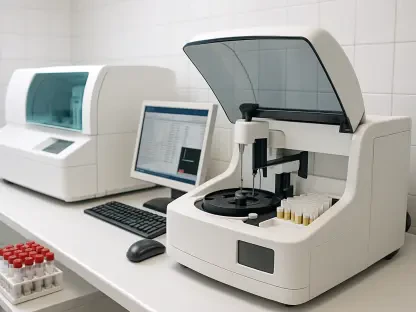
The Cepheid Xpert HCV test represents a significant leap forward in diagnostic technology, providing a definitive result from a simple finger-stick blood sample in under an hour by detecting the virus’s RNA. This rapid turnaround is transformative because it enables a “test-and-treat” model, allowing clinicians to confirm an active infection and initiate a curative treatment plan during a single patient encounter. This model effectively bypasses one of the biggest hurdles in hepatitis C care: patient loss to follow-up. In traditional testing protocols, patients often face multiple appointments spread over days or weeks for blood draws, result consultations, and prescription issuance, a process during which many at-risk individuals disappear from the healthcare system. The ability to condense this entire sequence into one visit to a clinic or emergency room is a game-changer, promising to dramatically increase the number of patients who begin the journey toward a cure. This efficiency not only improves patient outcomes but also has the potential to break chains of transmission within the community.
The clinical urgency for such a test is underscored by a dramatic shift in the demographics of the hepatitis C epidemic. While screening efforts over the past decade successfully identified many cases among older, more stable patient populations, the virus is now spreading most rapidly among younger adults. This new wave of infections is closely linked to the ongoing opioid crisis and an associated rise in injection drug use. These individuals are often highly mobile, may lack stable housing or consistent access to healthcare, and frequently interact with the medical system only through transient settings like emergency departments. For this population, the concept of a follow-up appointment is often an insurmountable barrier. The one-visit “test-and-treat” capability offered by the rapid test is therefore not merely a convenience but a vital public health strategy, specifically tailored to engage a hard-to-reach group that is now at the epicenter of the epidemic and essential to its containment.
The High Cost of Instant Certainty
Despite its clear clinical advantages, the primary obstacle to the widespread adoption of the rapid HCV test is its substantial cost. A detailed financial analysis conducted by researchers at the University of Washington School of Medicine projected the expense to be approximately $91.00 per test. This figure is significantly higher than older, conventional testing methods, which benefit from economies of scale. Traditional tests are processed in large batches in a central laboratory, allowing for high throughput and lower per-unit costs. In stark contrast, the new rapid test is a single-use cartridge that must be run individually, a process that demands more hands-on time from laboratory staff for each sample. This labor-intensive, one-at-a-time methodology is a key driver of its higher price point, creating a direct financial disincentive for health systems operating on tight budgets. The very feature that makes the test so effective clinically—its speed and point-of-care deployment—is precisely what makes it an economic challenge for laboratories to absorb.
The system-wide financial implications of implementing this technology are daunting, stretching already thin resources to a potential breaking point. The University of Washington researchers’ financial modeling revealed that even a highly restricted rollout, such as deploying the test solely within a single county hospital’s emergency room, would escalate the institution’s overall laboratory costs for HCV testing by a staggering 22%. A broader implementation across the entire health system would translate into millions of dollars in additional, unbudgeted expenses. This financial pressure is compounded by a healthcare environment characterized by steadily declining insurance reimbursements for diagnostic tests and immense pressure to control operational spending. For many hospitals and clinics, the prospect of absorbing such a significant cost increase is simply not feasible, forcing them to weigh the immediate and tangible expense of the new test against its less easily quantifiable long-term public health benefits, ultimately creating an unsustainable financial equation.
Forging a Sustainable Diagnostic Path
In response to these economic hurdles, the emerging consensus points toward a strategic and targeted approach as the most viable path forward. Rather than a universal deployment that would be financially crippling, experts recommend restricting the use of the rapid test to high-yield clinical settings where at-risk patients are most concentrated and the potential for immediate intervention is greatest. This data-driven strategy focuses resources where they will have the maximum impact. An analysis of King County, Washington, provided a compelling case study: approximately one-third of all new HCV diagnoses in the county were made in the Harborview Medical Center emergency department, where over 10% of all tests administered came back positive. By focusing the new rapid diagnostic exclusively on this high-prevalence location, the researchers calculated that the added lab cost per new infection detected would be a more manageable $550. While still a significant sum, this figure was deemed a relatively cost-efficient investment when weighed against the societal and medical costs of an untreated chronic infection.
Realigning Financial Models With Public Health Goals
Ultimately, the analysis revealed that the central challenge in the fight against hepatitis C had fundamentally shifted. With highly effective cures readily available, the primary bottleneck was no longer treatment but rather the diagnostic process of identifying infected individuals in a timely and affordable manner. The core issue became finding a sustainable way to fund the very technology that could bridge this critical gap. Researchers and public health advocates suggested that a paradigm shift in payment models was necessary. They advocated for the creation of innovative financial solutions for diagnostics, mirroring the successful strategies previously developed to cover the high cost of curative HCV antiviral drugs. Without such structural changes to how healthcare systems reimburse and pay for advanced diagnostic tools, it was understood that a promising test with the power to cure thousands and advance the goal of eradicating a deadly disease could have remained significantly underutilized, stalled not by its scientific merit but by its prohibitive cost.