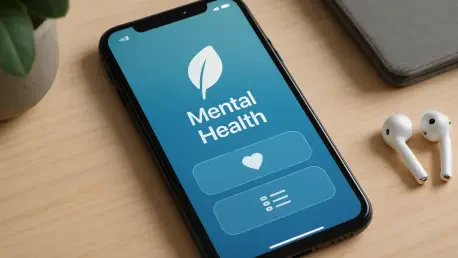

The digital wellness landscape in Japan is undergoing a profound transformation, with its mental health app market projected to skyrocket from US$ 181.54 million in 2025 to an impressive US$ 822.51 million by 2035, reflecting a compound annual growth rate of 16.31%. This explosive growth is not a random occurrence but the result of a unique convergence of corporate responsibility, cultural dynamics, and technological readiness. An analysis of the current market reveals specific preferences shaping this expansion. Mental self-improvement applications are the clear front-runners, commanding over 58.53% of the market share. From a platform perspective, Android holds a majority with a 58.39% share, while the direct-to-consumer business model proves most effective, accounting for over 41% of the market. The primary driver for user engagement is the desire for mental health monitoring, which motivates nearly 42.14% of all downloads. This intricate ecosystem of user needs and market responses sets the stage for a deeper exploration into the forces propelling this digital health revolution.
Corporate Mandates and Cultural Shifts
A significant catalyst for the proliferation of mental health apps is the Japanese corporate sector, largely driven by government regulation. The nationwide mandatory Stress Check Program, which requires all companies with more than 50 employees to perform annual psychological well-being assessments, has fundamentally altered the landscape of workplace wellness. This legislation has effectively compelled businesses to proactively address employee mental health, leading to widespread investment in digital solutions. As a result, approximately 92% of major corporations have integrated digital wellness platforms into their employee support systems as a strategic tool to combat workplace burnout and comply with federal mandates. On the consumer front, these applications fulfill a critical societal need by offering a discreet and accessible alternative to traditional mental health services. In a culture where seeking help for psychological issues can carry a significant social stigma, the anonymity of a smartphone app provides a vital lifeline. This privacy allows individuals to monitor their mental state and access support without fear of judgment, breaking down long-standing barriers to care and encouraging a more proactive approach to mental well-being.
Technological Infrastructure and Tailored Content
The rapid adoption of these digital tools was made possible by Japan’s sophisticated technological foundation and a keen focus on culturally specific content. The widespread availability of high-speed 5G networks, coupled with one of the highest smartphone and wearable device penetration rates globally, created the perfect environment for these data-intensive applications to thrive. This robust infrastructure supported seamless biometric monitoring and real-time feedback, features that became central to the user experience. However, technology alone did not guarantee success. The true differentiator was the localization of content to align with Japanese cultural values and practices. There was a strong and persistent demand for applications that incorporated traditional wellness philosophies, such as tools based on Zen mindfulness. This approach resonated deeply across a wide demographic spectrum, including Japan’s rapidly growing elderly population of smartphone users, who found these familiar concepts more approachable than Western-centric models. This thoughtful combination of advanced technology and culturally tailored content was what ultimately solidified the market’s trajectory and ensured its broad appeal.