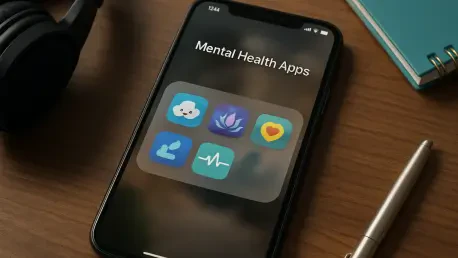

In the rapidly expanding digital marketplace, thousands of mental health applications are available at the touch of a button, yet for the average user, determining which ones are safe and effective can be an overwhelming and risky endeavor. The sheer volume of options, ranging from meditation guides to sophisticated therapy platforms, has created a landscape where it is difficult to distinguish between apps that have undergone rigorous clinical evaluation and those that are little more than lifestyle products with unverified claims. Responding to this critical public safety concern, the UK’s Medicines and Healthcare products Regulatory Agency (MHRA) has launched a significant initiative to empower individuals. The new guidance seeks to demystify the complex world of digital mental health tools, providing users with the knowledge needed to make informed decisions and navigate this unregulated frontier with confidence, ensuring that the technology they turn to for support is a help, not a hindrance.
Navigating the Digital Frontier of Mental Wellness
To bridge the information gap for consumers, the MHRA, in a strategic collaboration with NHS England and supported by a Wellcome-funded project, has developed a suite of free, accessible online resources aimed at fostering digital literacy in mental health. These materials, which include short, easy-to-understand animations and practical, real-world examples, are tailored to a wide audience, including the general public, parents, and healthcare professionals. A crucial element of this public education campaign is its focus on user empowerment through reporting. The guidance actively instructs people on how to use the MHRA’s established Yellow Card scheme, a long-standing system for reporting adverse incidents with medicines and medical devices, which has now been extended to cover digital health tools. This mechanism provides a formal channel for users to flag safety issues or concerns, creating a vital feedback loop that can help regulators identify problematic apps and protect others from potential harm, thereby fostering a safer digital ecosystem for everyone.
The core of the new government guidance revolves around clarifying the critical regulatory distinction between a digital tool classified as a medical device and one that is considered a general wellbeing or lifestyle product. This difference is far from academic; apps that fall under the medical device category are subject to stringent regulations that demand evidence of safety, clinical effectiveness, and quality management throughout their development and lifecycle. In contrast, wellbeing apps often enter the market without such scrutiny, leaving their efficacy and safety claims unevaluated by any official body. The MHRA’s initiative aims to educate users on how to spot the hallmarks of a properly regulated tool, such as clear evidence-based claims, data privacy protections, and transparency about its intended use. By equipping the public with this knowledge, the agency helps individuals assess the potential risks and benefits, ensuring they can select applications that are not only helpful but also trustworthy and built on a solid foundation of scientific evidence.
A Unified Vision for Digital Health Integration
This landmark guidance reflects a strong consensus among the UK’s leading health organizations on the urgent need for clear standards in the digital mental health space. Professor Anthony Harnden, chair of the MHRA, emphasized that as people increasingly turn to technology for support, they must have assurance that the tools they use are genuinely safe, effective, and grounded in reliable evidence. The new resources are designed not just to inform but to empower, helping users understand “what good looks like” in a digital health product. This, in turn, facilitates more meaningful and productive conversations between patients and clinicians about which digital interventions might be appropriate for an individual’s care plan. Echoing this sentiment, representatives from Wellcome and the National Institute for Health and Care Excellence (NICE) highlighted the immense transformative potential of these technologies, while simultaneously underscoring that this potential can only be realized if it is built upon a robust evidence base and supports informed user choice, preventing harm and promoting genuine wellbeing.
The release of this public guidance was not an isolated event but a key component of a broader, systemic movement toward formally integrating digital technologies into established healthcare frameworks. This trend was underscored by the concurrent expansion of the technology appraisal process by NICE, which has begun to include digital health products within its rigorous evaluation scope. This move signaled that digital tools were increasingly being recognized as legitimate components of the healthcare toolkit, worthy of the same level of scrutiny applied to pharmaceuticals and other medical treatments. By creating parallel pathways for public education and formal regulatory assessment, UK health authorities established a comprehensive strategy. This approach ensured that as the healthcare system evolved to embrace digital innovation, both clinicians and the public were equipped with the necessary knowledge and safeguards to navigate the new landscape effectively, ultimately shaping a future where technology safely and reliably augmented traditional mental health care.