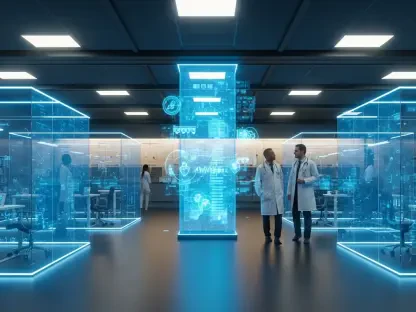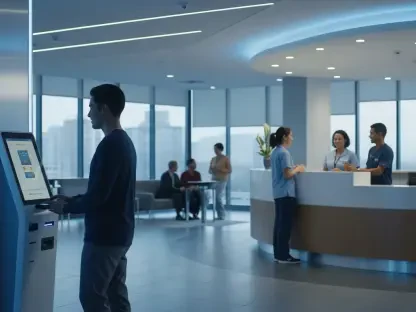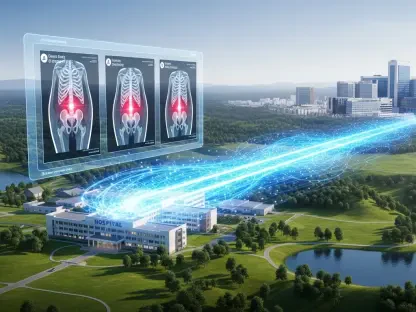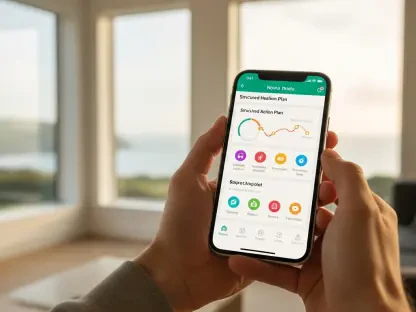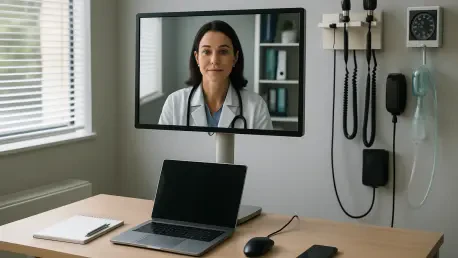

In a strategic move to modernize its national healthcare framework, a delegation from South Korea’s National Health Insurance Service recently embarked on an investigative mission to the United States, focusing on the well-established telehealth infrastructure of MedStar Health. The visit to the Washington D.C.-based healthcare system was not merely a tour but a deep dive into a proven model of virtual care integration, seeking a blueprint to guide South Korea’s own technological healthcare evolution. The officials aimed to observe firsthand how a large, complex health system has successfully woven digital health solutions into the very fabric of its daily operations, a process that MedStar initiated long before the global pandemic accelerated the demand for remote medical services. This proactive approach has positioned MedStar as an industry leader, demonstrated by its management of over 520,000 telehealth encounters in the last fiscal year alone, making it an ideal case study for a nation looking to build a robust and resilient healthcare future.
Innovations in Patient Care and Safety
During their tour of the MedStar Washington Hospital Center, the South Korean officials were introduced to several key technological applications that exemplify the practical benefits of a mature telehealth system. A central highlight was the MedStar Acute Care Coordinating Center, known as MAC3, which deploys tele-triage video units directly within the bustling environment of the Emergency Department. This system allows providers to connect remotely with patients upon their arrival, facilitating quicker initial evaluations and more efficient patient flow, ultimately transforming the traditional emergency intake process. Another critical innovation showcased was the telehealth capability built into the hospital’s Biocontainment Unit (BCU). This specialized system enables medical teams to provide comprehensive care via high-definition video to patients quarantined with highly infectious diseases like Ebola and Marburg. This significantly enhances provider safety by minimizing direct physical contact without compromising the quality of patient monitoring and treatment, a crucial capability in global health preparedness.
A Model of Proactive Integration
The visit underscored that MedStar Health’s success is rooted in a long-term strategy of integrating telehealth as a core component of its care delivery model rather than as a peripheral service. Dr. Ethan Booker, the chief medical officer of Telehealth for MedStar Health, emphasized that these technologies are fundamental to improving patient-provider connections, expanding access to care for diverse populations, and providing essential support for medical teams across the network. The impressive scale of adoption serves as a powerful testament to this philosophy. The MedStar eVisit virtual urgent care platform, for instance, saw a 37% increase in usage last year, offering 24/7 on-demand care to patients throughout Maryland, Virginia, and Washington D.C. Furthermore, the national recognition of the BCU at MedStar Washington Hospital Center as one of only 13 Regional Emerging Special Pathogen Treatment Centers in the country highlighted the system’s role not just in regional healthcare, but in the nation’s broader public health and safety infrastructure. This established a clear precedent for the visiting delegation on how to build a system that is both patient-centric and strategically vital.