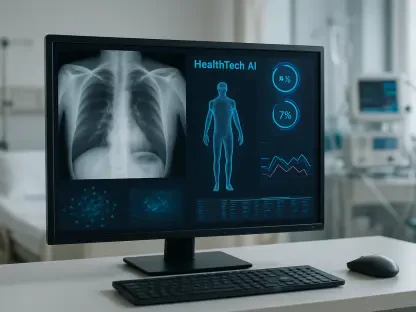

The staggering reality that nearly seventy percent of adults dealing with obesity also face the silent threat of elevated cholesterol levels highlights a critical failure in traditional, reactive healthcare models. These individuals often find themselves caught in a cycle of intermittent laboratory tests and brief office visits that do little to sustain the lifestyle changes necessary for long-term health. To bridge this clinical gap, a dedicated virtual cholesterol management program was introduced to provide continuous, high-touch support. By moving away from the wait and see approach of the past, this initiative utilized a sophisticated combination of artificial intelligence and human-led coaching to monitor patient progress in real time. This methodology addressed the nuances of cardiometabolic health by ensuring that patients received guidance when they needed it most, rather than only after a problematic blood panel was reviewed during a yearly physical exam. This evolution in digital care delivery represented a significant shift toward holistic management, effectively synchronizing lipid control with existing protocols for blood pressure and diabetes within a single platform.
Multidisciplinary Care: Strategies for Medication Adherence and Behavior Change
The core of this initiative relied on a multidisciplinary team composed of health coaches and cardiometabolic experts who focused on nutrition, fitness, and behavior modification. A primary challenge addressed by the platform was the pervasive skepticism surrounding statins and other cholesterol-lowering medications, which often led to poor adherence rates among those at risk. To combat misinformation, the clinical teams worked directly with participants to provide evidence-based education and personalized support, ensuring that medication regimens remained consistent and effective. This proactive philosophy was often compared to treating a small spark before it could ignite a forest fire of cardiovascular complications. By emphasizing day-to-day engagement, the program empowered patients to lower their lipid levels through a synthesis of clinical data and behavioral science. This specific focus on the intersection of medication and lifestyle allowed the platform to move beyond simple data tracking, fostering an environment where patients felt equipped to manage their complex health profiles through a unified interface.
Looking back at the deployment of these virtual tools, the transition toward comprehensive cardiometabolic ecosystems offered a clear roadmap for the future of chronic disease management. Healthcare providers and employers recognized that managing isolated markers like A1C was insufficient if associated risks like high cholesterol were ignored. Consequently, the industry shifted toward integrated platforms that consolidated various health metrics into a single patient-centric experience. Organizations that adopted these holistic models saw improved clinical outcomes and higher levels of member engagement by addressing the root causes of cardiovascular disease simultaneously. The successful implementation of these programs demonstrated that digital health interventions were most effective when they prioritized preventative lifestyle adjustments alongside rigorous clinical oversight. By 2026, the strategy of focusing on the whole patient rather than individual symptoms became the standard for virtual care, proving that early intervention and continuous monitoring were the most viable solutions for reducing the global burden of heart-related ailments.