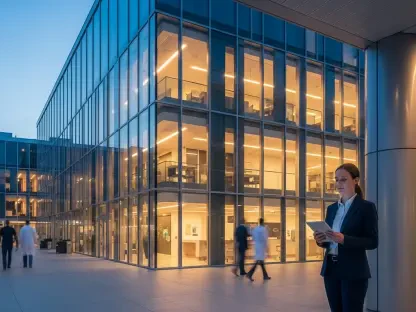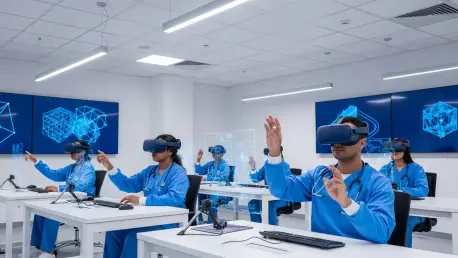

The evolution of medical training often hinges on the delicate balance between observing the tangible complexity of human biology and utilizing the boundless precision of digital simulation. LSU Health Shreveport has addressed this intersection by unveiling a state-of-the-art three-million-dollar Anatomical Science Wing that serves as a cornerstone for modern healthcare education in the region. This expansive project, finalized after several years of intensive renovation, represents a departure from traditional, siloed learning environments by integrating two distinct yet complementary methodologies into a single, cohesive facility. By providing a centralized hub for the School of Medicine, the School of Graduate Studies, and various health sciences programs, the institution ensures that future physicians and therapists train alongside one another. The facility accommodates over 150 students simultaneously, fostering an interprofessional atmosphere that mirrors the collaborative nature of modern clinical practices. This modernization effort reflects a broader trend where academic institutions prioritize high-tech infrastructure to remain competitive.
Bridging Physical Dissection and Immersive Virtual Reality
Within the Gross Anatomy Laboratory, thirty-four specialized workstations feature ergonomic, ADA-compliant tables designed to facilitate long hours of detailed study while ensuring accessibility for all participants. These stations are not merely tables; they are integrated hubs featuring high-definition monitors and a broadcasting system that allows instructors to stream live surgical or dissection demonstrations directly to every student in the room. Safety remains a paramount concern in such environments, leading to the installation of a sophisticated closed-circuit HVAC system specifically engineered to manage airflow and significantly reduce formaldehyde exposure for both students and faculty. Parallel to this physical space is the Virtual Reality Anatomy Lab, which houses twenty-five immersive stations powered by VH Dissector software. This digital layer allows students to rotate, peel back, and examine anatomical structures in a three-dimensional space that physical specimens cannot always replicate. The software extends its utility beyond the lab, as students can access the same data on personal devices to reinforce their understanding of human anatomy.
Evolving Instructional Models for Future Clinical Excellence
The implementation of this hybrid instructional model suggested that the most effective way to prepare for the complexities of the 2026-2030 healthcare landscape involved merging legacy practices with emerging technology. Educators realized that while digital models provided clarity and repeatability, the tactile feedback of a physical dissection remained indispensable for developing surgical dexterity and a respect for human variability. Consequently, the university established a framework where technological literacy was treated as a fundamental skill rather than an optional elective. This shift encouraged other institutions to evaluate their own aging infrastructures and consider how virtual environments could bridge gaps in specimen availability or curriculum pacing. Looking ahead, the focus turned toward the integration of haptic feedback systems and real-time remote collaboration tools to further enhance the realism of these simulations. By investing in such a versatile wing, the administration secured a long-term solution that not only met current accreditation standards but also anticipated the growing demand for more efficient, data-driven medical training methods. The project effectively demonstrated that infrastructure must evolve as rapidly as the medical field itself.