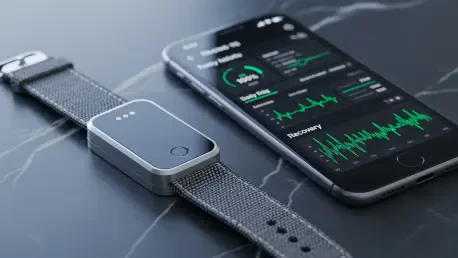

The landscape of wearable technology has undergone a seismic shift as users increasingly prioritize deep physiological insights over the superficial notifications and distractions provided by traditional smartwatches. Whoop 5.0 emerges in this environment not as a peripheral gadget but as a dedicated biometric sensor designed to bridge the gap between recovery-focused accessories and performance-heavy athletic tools. By intentionally omitting a display, the device fosters a discreet, “set-it-and-forget-it” relationship with the wearer, catering to a specific niche of fitness enthusiasts and professional athletes who demand high-fidelity data without constant digital interruption. This streamlined approach allows the hardware to function as a silent observer, capturing a continuous stream of metrics that inform a sophisticated coaching ecosystem. The result is a specialized tool that focuses exclusively on the nuances of human optimization, providing a level of depth that general-purpose wearables often struggle to replicate in a single form factor.
Refined Design and Unmatched Power Efficiency
The physical architecture of the Whoop 5.0 emphasizes invisibility and long-term ergonomic comfort, ensuring that the presence of the sensor never interferes with daily activities or rigorous training sessions. It features a significantly slimmer profile compared to earlier iterations, which allows the device to remain unobtrusive during high-intensity weightlifting or while the user is asleep. The strap itself is constructed from a specialized quick-drying fabric that accommodates twenty-four-hour wear, including during showers or swimming. For individuals who find that wrist-based sensors lose accuracy during exercises involving heavy wrist flexion, the system supports a seamless transition to a bicep band. This flexibility ensures that the sensor maintains optimal contact with the skin, which is paramount for gathering the high-resolution data required for accurate metabolic and cardiovascular analysis. Such design choices reflect a commitment to a friction-free user experience that prioritizes data integrity over aesthetic flair.
One of the most significant hardware breakthroughs in this generation is the substantial extension of battery life, which now provides up to two weeks of continuous power on a single charge. This longevity is primarily achieved through the implementation of a highly efficient internal processor and the deliberate absence of a power-hungry liquid crystal or organic light-emitting diode display. To maintain a truly continuous data stream, the system utilizes a proprietary slide-on battery pack that enables the sensor to be charged while it remains fixed to the user’s body. This “zero-gap” charging methodology is a critical differentiator, as it prevents the loss of physiological data that typically occurs when other wearables must be removed and placed on a nightstand or charging dock. By ensuring that every heartbeat and movement is accounted for, the device creates a comprehensive and unbroken baseline of health trends, which serves as the foundation for all subsequent physiological interpretations and coaching recommendations.
Intelligence in Recovery and Sleep Monitoring
At the core of the platform is a sophisticated recovery coaching system that utilizes a complex algorithm to evaluate how effectively the body has adapted to previous stressors. By synthesizing four primary metrics—Heart Rate Variability, Resting Heart Rate, sleep performance, and respiratory rate—the application generates a daily Recovery Score that informs the user of their physiological readiness. This score functions as a prescriptive guide rather than a mere descriptive statistic, indicating whether a person should pursue a high-intensity session or opt for active rest. Such intelligence moves the user away from static, pre-planned training schedules and toward a dynamic, bio-responsive approach to fitness. This nuanced understanding of systemic fatigue helps athletes avoid the pitfalls of overtraining while maximizing the benefits of progressive overload. Consequently, the device transforms raw data into a strategic roadmap for daily activity, ensuring that the physical output of the user remains in harmony with their biological capacity.
In addition to monitoring readiness, the device offers deep insights into sleep architecture and the subtle markers of impending physiological strain. By tracking deviations in skin temperature and breathing patterns throughout the night, the system can often detect the early stages of illness or excessive physical exhaustion before the user becomes symptomatic. This early warning capability allows for proactive lifestyle adjustments, such as increasing hydration or extending sleep duration, which can mitigate the impact of a potential health setback. While consumer-grade wearables are not clinical diagnostic tools, the directionally accurate trends provided by the sensor offer a level of self-awareness that was previously reserved for professional sports laboratories. The focus on long-term trends rather than isolated data points encourages a more holistic view of health, where sleep quality and respiratory efficiency are recognized as fundamental pillars of performance and longevity.
Performance Tracking Through Strain and Training Metrics
The Whoop 5.0 approaches physical activity through the lens of cardiovascular “Strain,” a proprietary metric that quantifies the cumulative load placed on the heart and vascular system. Instead of focusing on step counts or basic caloric burn, the device calculates an effort level based on the user’s specific heart rate zones and physiological baseline. This allows for a more personalized assessment of intensity, where a short but intense interval session might yield a higher strain score than a long, low-intensity walk. The application provides a target strain range each morning based on the previous night’s recovery data, encouraging a balanced relationship between work and rest. This closed-loop system ensures that the intensity of a workout is always contextualized by the body’s actual state of readiness. By moving beyond generic fitness targets, the platform empowers users to train with a level of precision that aligns with professional coaching standards.
Because the hardware lacks a screen, it inherently removes the digital distractions that often plague modern gym environments, such as incoming text messages or social media notifications. This “heads-up” philosophy allows the user to maintain total focus on the physical task at hand, fostering a more mindful approach to training. Once a session is completed, the device automatically detects the activity and generates an “after-action report” that details the specific cardiovascular impact of the workout. This report includes estimates of VO2 max and an analysis of time spent in various heart rate zones, providing a narrative of the session that is both informative and educational. This retrospective analysis helps users understand how different types of movement affect their long-term fitness goals. The absence of real-time pacing or GPS on the wrist is a deliberate trade-off, prioritizing internal biometric accuracy and psychological focus over external navigation and immediate connectivity.
Clinical Integration and Longevity Insights
The expansion into the medical domain represents a major evolution for the platform, particularly through the introduction of specialized hardware tiers that offer clinical-grade monitoring capabilities. Certain versions of the sensor are now equipped to provide wrist-based blood pressure monitoring and electrocardiogram screening, which can identify potential cardiac irregularities such as atrial fibrillation. These features are designed to function within a data-centric framework that is easily shareable with healthcare professionals, bridging the gap between personal wellness and formal medical intervention. By integrating these advanced sensors into a wearable that is already optimized for continuous use, the system provides a more comprehensive picture of cardiovascular health than intermittent clinical checkups. This shift toward preventative monitoring reflects a broader industry trend where individuals take a more active role in managing their long-term health risks through persistent biometric observation.
Furthermore, the platform has integrated advanced longevity features developed in collaboration with experts in the field of aging research. The “Healthspan” metric estimates a user’s physiological age by analyzing a combination of long-term behavioral patterns and biological markers. This encourages the adoption of sustainable habits, such as consistent sleep schedules and effective stress management, which are known to influence the aging process. For those seeking the highest level of personalization, the system allows for the integration of professional bloodwork analysis, correlating internal biomarkers with the data captured by the wearable. This holistic view of internal health provides a scientific basis for lifestyle changes, moving beyond guesswork and toward evidence-based optimization. By focusing on the intersection of daily habits and long-term health outcomes, the platform positions itself as a central tool for anyone committed to extending their functional lifespan through rigorous data-driven self-management.
Strategic Next Steps for Human Optimization
The subscription-based ecosystem of the Whoop 5.0 ensures that the value of the device continues to grow through persistent software updates and the refinement of coaching algorithms. While the recurring cost might be a point of consideration, it funds a robust backend that includes the “Whoop Journal,” a behavioral tracking tool that identifies how specific lifestyle choices impact recovery. Users can log variables such as caffeine intake, alcohol consumption, and exposure to blue light, allowing the system to perform a statistical correlation between these actions and changes in heart rate variability. This creates a powerful feedback loop that highlights the objective cost of certain behaviors, often serving as a catalyst for meaningful lifestyle changes. By making the invisible impact of daily choices visible, the platform provides the necessary evidence for users to optimize their routines. This data-driven approach to habit formation is a cornerstone of the platform’s ability to drive long-term improvements in health and performance.
The final assessment of this technology suggested that its true power resided in its ability to act as a silent, professional-grade coach that required minimal interaction from the user. By trading the versatile but distracting features of a traditional smartwatch for a deeper dialogue with human physiology, the system provided the insights necessary for significant physical and cognitive optimization. It was clear that for the dedicated athlete or the longevity-focused individual, the device offered a level of granular detail that few other platforms could match. Future considerations for users involved a commitment to the subscription model and a willingness to prioritize internal data over external connectivity. Ultimately, the hardware functioned as a sophisticated bridge between raw biological signals and actionable health strategies. Those who adopted this technology found themselves equipped with a comprehensive roadmap for physical improvement, ensuring that every effort was backed by a profound understanding of their unique physiological needs.