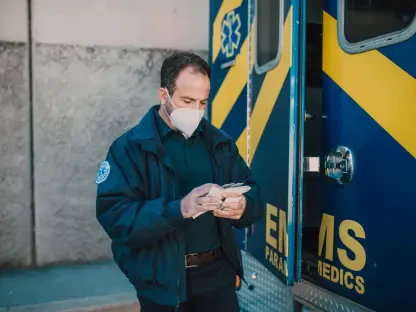

In the often-unseen corners of Long Island, one of America’s most affluent suburban landscapes, a revolutionary form of medical outreach is taking place in commuter parking lots and beneath highway overpasses. A dedicated team of clinicians is redefining the traditional house call for a growing population that has no house to call home. The Northwell Health Street Medicine program delivers life-saving care directly to individuals living in cars, tents, and other makeshift shelters, addressing a critical gap in a system that often fails the most vulnerable. This initiative serves as a direct response to a local crisis where approximately 10,000 people experience homelessness each year, many of whom contend with a devastating triad of chronic physical ailments, severe mental health conditions, and substance use disorders, leaving them isolated from consistent and reliable medical access. This mobile clinic on wheels is not just treating symptoms; it is restoring dignity and building a bridge to a more stable future.
Redefining Healthcare on the Streets
Program Operations and Impact
Launched in mid-2024 as a strategic partnership with the Long Island Coalition for the Homeless, the mobile health unit has demonstrated a remarkable reach in its initial months of operation. The team has traveled over 3,800 miles across the sprawling landscapes of Nassau and Suffolk counties, successfully conducting more than 200 medical encounters and serving 93 unique patients who had fallen through the cracks of the traditional healthcare system. The care provided is deliberately comprehensive, encompassing essential primary care services, the provision of necessary prescriptions, and vital referrals to specialists. For individuals without a fixed address, reliable transportation, or the ability to navigate complex scheduling systems, accessing specialized care is often an insurmountable obstacle. The Street Medicine program systematically dismantles these barriers, bringing the full spectrum of outpatient care directly to the patient, ensuring that a lack of housing does not equate to a lack of quality medical attention.
The urgency of this initiative is underscored by the profound and multifaceted challenges faced by the unsheltered population it serves. Living without stable housing exacerbates existing health problems and creates new ones, with constant exposure to the elements, inadequate nutrition, and high levels of stress taking a significant toll. The program’s clinicians regularly encounter complex cases involving unmanaged diabetes, severe hypertension, respiratory illnesses, and untreated wounds, all compounded by the psychological trauma of homelessness. By proactively seeking out these individuals, the team provides crucial preventative care and disease management that can avert medical crises and reduce reliance on emergency room visits. This model of proactive, community-embedded healthcare is not only more compassionate but also more effective, addressing health issues before they become life-threatening and creating a trusted, consistent point of contact for a population that has long been invisible to the established medical community.
The Human Element of Intervention
The profound impact of this mobile medical initiative is most vividly captured in the personal stories of those it serves, transforming abstract statistics into tangible accounts of hope and healing. Consider the case of 66-year-old Virginia Collins, who was found living in her car after suffering a stroke that left her feeling utterly hopeless. Plagued by severe headaches and progressive hearing loss, she had resigned herself to the belief that she would die alone in her vehicle, cut off from any form of medical support. The arrival of the Street Medicine team marked a dramatic turning point in her life. They not only addressed her immediate symptoms with compassion and clinical expertise but also went a step further, arranging a crucial neurology appointment for her. This act of coordination provided a level of specialized care that had previously seemed impossible, offering not just treatment but a powerful affirmation that her health and well-being were a priority.
Equally compelling is the experience of Bryan, 50, and his partner Jenny, 43, who have endured the harsh realities of being homeless for three years, weathering brutal winters in a tent. Before the program intervened, Bryan had faced multiple near-death experiences, including life-threatening blood clots and a pulmonary embolism, due to a lack of consistent medical oversight. The Street Medicine team, which he gratefully refers to as his “angel crew,” now provides regular monitoring of his high blood pressure and ensures he adheres to his medication regimen. This consistent presence has brought a measure of stability and safety to an otherwise precarious existence. Their story highlights a core function of the program: building long-term, trusting relationships with patients. This sustained engagement is critical for managing chronic conditions and preventing medical emergencies, demonstrating that compassionate, on-the-ground care can serve as a vital lifeline for those navigating the intertwined crises of health and homelessness.
A Holistic Approach to Healing
More Than Medicine The Power of Dignity
The program’s philosophy extends far beyond the simple administration of medical treatments, recognizing that the barriers to care for the homeless are not merely logistical but are deeply rooted in psychological and social challenges. As Dylan Schwarz of the Long Island Coalition for the Homeless explains, when an individual’s primary focus is consumed by the daily struggle for survival—securing their next meal or finding a safe place to sleep—prioritizing a doctor’s visit becomes an almost impossible task. The Street Medicine initiative is built on this understanding, meeting patients on their own terms, both physically and emotionally. Dr. Debbie Salas-Lopez, a leader at Northwell Health, emphasizes that the emotional aspects of care are paramount, stating, “Being heard can be therapeutic.” This principle is put into practice during every encounter, where clinicians take the time to listen to their patients’ stories, validate their experiences, and treat them with a level of dignity and respect that is often denied to them. This act of compassionate listening is a foundational component of the healing process.
This focus on dignity is not merely an act of kindness; it is a clinical imperative that fosters the trust necessary for effective healthcare. Many individuals experiencing homelessness have had negative encounters with institutional systems, leading to a deep-seated mistrust of authority and a reluctance to seek help. The Street Medicine team works to overcome this by building rapport through consistent, non-judgmental interactions. By showing up reliably and offering care without preconditions, they slowly dismantle these walls of suspicion. Restoring a person’s sense of self-worth is often the first step toward empowering them to take an active role in their own health. When patients feel seen and respected as individuals, they are more likely to engage with treatment plans, follow up on referrals, and begin to envision a future where their health and stability are attainable goals. In this context, compassionate care becomes the catalyst for profound and lasting change.
Bridging the Gap Between Health and Housing
This holistic approach is deeply integrated with the ultimate goal of achieving long-term stability for patients, which is inextricably linked to secure housing. The program’s success is rooted in its synergistic partnership with the Long Island Coalition for the Homeless, an organization with a 40-year history of advocacy. While the Northwell medical team addresses acute and chronic health issues, the Coalition canvasses the region to identify those in need and provides intensive, housing-focused case management. The Street Medicine team plays a direct and indispensable role in this process by helping patients navigate the complex bureaucratic requirements for housing assistance. They assist with obtaining mandatory physicals, securing psychiatric evaluations, and completing the official disability documentation that is often a prerequisite for support services. This collaborative effort has already yielded tangible results, with 35 clients receiving assistance in this process and 11 individuals successfully securing stable housing.
The story of 65-year-old Richard Seibert stands as a powerful testament to the program’s transformative potential. After connecting with the team, he was able to navigate the necessary medical and administrative steps to secure housing in Hempstead. This newfound stability provided him with the foundation to, in his words, “concentrate on real things” like finding employment and methodically rebuilding his life. His success illustrates how addressing health is often the critical first step toward resolving homelessness. For others, like Bryan and Jenny, permanent housing remains a future goal. Yet, even as they continue their struggle, the consistent presence of the medical team offers something essential: a tangible source of hope and the powerful affirmation that their lives and health matter. The program serves as a powerful demonstration that direct, compassionate intervention can not only save lives but also restore a sense of self-worth and create a viable pathway out of the intertwined crises of health and homelessness.
A New Foundation for Community Health
Through its dedicated outreach and comprehensive care model, the Street Medicine program demonstrated that it was possible to deliver high-quality healthcare without the traditional construct of walls or a fixed address. The initiative proved that by meeting vulnerable individuals where they were, both geographically and emotionally, clinicians could effectively manage complex health conditions and prevent acute medical crises. This approach went beyond treating illness; it systematically dismantled the barriers that had long isolated the unsheltered from the healthcare system. The partnership between a major health provider and a dedicated homeless coalition established a powerful, replicable framework for community health. It showed that medical intervention, when delivered with dignity and respect, could become the catalyst for broader life changes, empowering individuals to navigate the path toward stable housing and renewed self-sufficiency. The program’s success created more than just positive patient outcomes; it forged a new understanding of what community care could and should be.