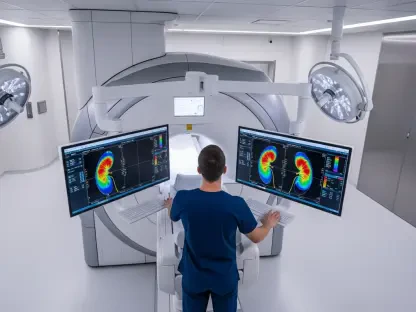

The healthcare landscape across Devon is currently undergoing a massive structural shift as legacy systems are phased out in favor of a single, unified digital patient record. For years, the region relied on a patchwork of disconnected software platforms that often required patients to repeat their entire medical histories every time they moved between different departments or hospital sites. This fragmented approach is being replaced by the implementation of the Epic Electronic Patient Record (EPR) system, a sophisticated digital infrastructure designed to consolidate health information into one accessible file. This initiative encompasses major providers, including the Torbay and South Devon NHS Foundation Trust, the Royal Devon University Healthcare Trust, and University Hospitals Plymouth NHS Trust. By synchronizing data across these vast networks, the region is effectively dismantling the silos that previously hindered communication, ensuring that every clinician has a complete view of a patient’s journey from the very first consultation.
A Seamless Experience: Bridging the Gap in Regional Healthcare
The primary benefit of this digital overhaul lies in the radical simplification of the patient experience, which is now facilitated through integrated tools like the MY CARE portal. This secure online service and mobile application grant individuals direct access to their health records, test results, and appointment schedules, moving away from a model where patients were passive recipients of care. By providing this transparency, the system empowers residents to take a more proactive role in managing their chronic conditions or post-operative recovery. Furthermore, the elimination of redundant paperwork and repetitive questioning reduces the psychological burden on patients who are often at their most vulnerable during hospital visits. Because the information follows the individual seamlessly between hospital and community settings, the transition of care becomes a fluid process rather than a series of disjointed events. This level of connectivity ensures that the right information is available at the right time.
From a clinical perspective, the transition to a unified record system significantly enhances the speed and accuracy of medical decision-making by providing real-time data streams to frontline staff. Before this rollout, physicians often had to wait for physical files to be transferred or log into multiple disparate databases to find critical information regarding allergies, past surgeries, or current medications. Now, the administrative burden has been drastically lowered, allowing doctors and nurses to spend a greater portion of their shifts engaging directly with patients. The automation of routine tasks and the centralization of diagnostic results mean that clinical teams can identify trends and intervene much earlier in a patient’s treatment plan. This operational efficiency is not merely about convenience; it is a fundamental shift toward a more responsive healthcare model that prioritizes safety and quality. As clinical workflows become more aligned, the overall capacity of the regional healthcare system increases.
Strategic Integration: Overcoming Infrastructure Challenges and Setting New Standards
Integrating hundreds of legacy systems into a single, cohesive infrastructure represented a monumental technical challenge that required extensive collaboration between IT specialists and clinical leads. The move involved migrating millions of data points from aging software that was often incompatible with modern digital standards, necessitating a rigorous validation process to ensure data integrity. Leadership within the involved trusts, including experts like Professor Adrian Harris and Adel Jones, recognized that this technological leap was necessary to support the long-term sustainability of the NHS in Devon. By standardizing the way information is captured and shared, the region has established a robust foundation for advanced medical research and data-driven service planning. This high-quality data set allows for a more granular analysis of local health trends, enabling health authorities to tailor their strategies to the specific needs of the population. The shift represents more than just an upgrade.
The implementation of the Epic EPR system ultimately functioned as a catalyst for a more equitable and efficient healthcare environment across the county of Devon. To ensure the continued success of this digital transformation, stakeholders prioritized ongoing staff training and regular system audits to maintain high standards of data security and usability. These steps ensured that the workforce remained proficient in navigating the new interface while identifying areas where the technology could be further refined to meet evolving clinical demands. By fostering a culture of continuous improvement, the regional trusts established a roadmap for other healthcare providers looking to modernize their own infrastructures. This initiative moved beyond simple digitization and instead focused on the clinical importance of accessibility and patient agency. The project successfully addressed previous inefficiencies and created a cohesive narrative of health histories across multiple jurisdictions.