
The convergence of a rapidly aging global population with a severe shortage of healthcare professionals has created one of the most pressing challenges of our time, pushing traditional elder care models to their breaking point. This monumental strain on resources is forcing a profound transformation within the industry, with technology emerging as the cornerstone of a more sustainable future. Long-term care software, in particular, has become an indispensable asset, providing the digital infrastructure needed to enhance efficiency, improve the quality of patient outcomes, and manage the complex logistics of caring for a vulnerable population. As this sector evolves, the market for these specialized software solutions is poised for remarkable expansion, with forecasts indicating a compound annual growth rate between 11% and 13% through 2027, signaling a fundamental shift in how elder care is delivered and managed on a global scale.
The Digital Transformation of Care Delivery
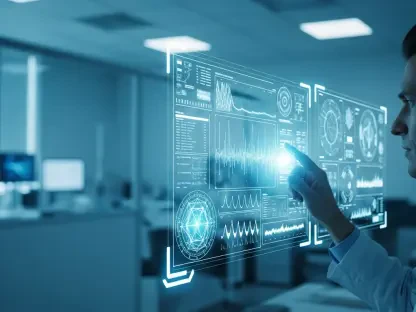
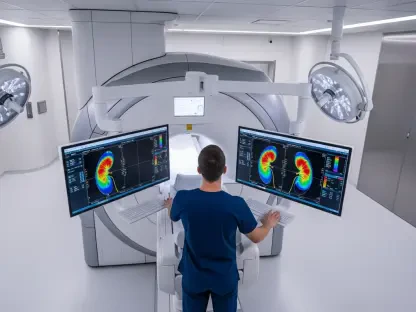
The foundation of this technological revolution lies in a suite of sophisticated clinical software tools designed to centralize and streamline patient care. At the forefront are Electronic Health Records (EHR) and Electronic Medical Records (EMR), which create a unified digital repository for each resident’s medical history, treatment plans, and progress notes. This eliminates the risks and inefficiencies of paper-based systems, providing caregivers with immediate access to critical information. Complementing these records are systems like Electronic Medication Administration Records (eMAR), which digitize the entire medication management process to drastically reduce errors in dispensing and administration. Furthermore, Clinical Decision Support Systems (CDSS) are becoming increasingly vital, integrating evidence-based guidelines directly into the clinical workflow. These systems provide real-time alerts and recommendations, helping healthcare professionals make safer, more informed decisions and ultimately elevating the standard of care provided in long-term facilities.
Parallel to clinical advancements, non-clinical software is revolutionizing the operational and administrative backbone of care facilities, addressing the logistical complexities that often consume valuable staff time. These platforms automate a wide array of essential functions, including intricate billing and invoicing processes, complex staff scheduling, and payroll management. By digitizing these tasks, the software minimizes the administrative burden on caregivers and managers, freeing them to focus on direct resident interaction and high-value care activities. Advanced tools such as Real-Time Location Systems (RTLS) further enhance operational efficiency by allowing facilities to track the location of both critical assets and residents, improving safety and resource allocation. This comprehensive approach to operational management ensures that nursing homes, assisted living centers, and home healthcare providers can run more smoothly and cost-effectively, which is essential for navigating the financial pressures of the modern healthcare landscape.
Responding to Unprecedented Demographic Shifts
A primary catalyst for the rapid adoption of long-term care software is the profound demographic shift sweeping across the globe. The world’s elderly population is expanding at an unprecedented rate, with projections from the World Health Organization indicating that by 2030, nearly one in every six people will be aged 60 or older. This trend is placing immense pressure on existing care systems, a phenomenon starkly visible in nations like Japan, where over a quarter of the population is already over 65. This demographic wave is not confined to one region; China is projected to see its dependency ratio surge dramatically by mid-century, and the United Kingdom has already seen its ratio shift significantly. This growing imbalance between the working-age population and the dependent elderly strains social and healthcare resources to their limits, making the efficiency gains offered by specialized software not merely an advantage but a fundamental necessity for sustainable care delivery.
Compounding the challenges of an aging population is a critical and persistent workforce shortage within the healthcare sector. The European Union is currently grappling with a deficit of over one million healthcare workers, a labor crisis mirrored in the United States, where high staff turnover rates plague long-term care facilities. These staffing constraints severely limit the time professionals can dedicate to direct patient care, as they are often overwhelmed by administrative duties. Long-term care software directly confronts this issue by automating routine tasks such as medication management, scheduling, and documentation. By reducing this administrative load, the software empowers nurses and care aides to dedicate more of their time and energy to their primary role: providing compassionate, hands-on care. Moreover, the centralized information available through EHRs enhances communication and collaboration among care teams, minimizing redundant data entry and improving workflow continuity.
The Expanding Frontiers of Remote and Intelligent Care
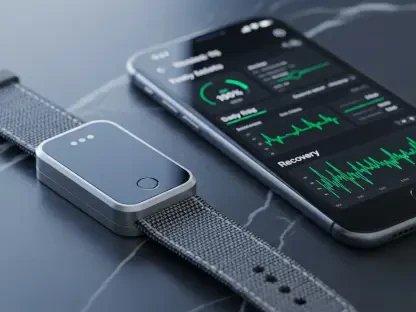
The proliferation of telehealth and remote monitoring technologies is further accelerating the integration of software into elder care, extending the reach of clinicians far beyond the walls of a traditional facility. These innovative solutions enable the continuous, remote observation of patients, which in turn reduces healthcare costs, expands access to specialized care, and significantly improves patient outcomes. This is achieved through a variety of tools, including wearable devices and mobile applications that track vital metrics such as heart rate, oxygen saturation, and glucose levels, and can even detect falls, sending immediate alerts to caregivers. Video consultations facilitate virtual visits for routine check-ups and the management of chronic conditions, dramatically improving staff productivity and making care more convenient for seniors who wish to age in place. This technological ecosystem is creating a more proactive and preventative model of elder care.
Strategic partnerships have become a cornerstone of innovation within the long-term care software market, as companies collaborate to integrate cutting-edge technologies and expand their capabilities. A prominent example is the marketplace partnership between PainChek, a provider of an artificial intelligence-powered pain assessment tool, and PointClickCare, a leading care management platform. Through this integration, PainChek’s objective pain assessments are seamlessly incorporated into the resident’s electronic record within the PointClickCare system. This not only streamlines the workflow for clinicians but also enhances the quality and accuracy of pain management for residents, particularly those who are non-verbal. Such collaborations are essential for driving the market forward, allowing specialized technologies to be deployed at scale and creating more comprehensive, intelligent solutions that directly address the complex needs of the elderly population.
A Market Landscape Shaped by Demographics and Innovation
Geographically, North America, and the United States in particular, is set to dominate the long-term care software market for the foreseeable future. The primary engine of this growth is the aging of the baby boomer generation, a massive demographic cohort born between 1946 and 1964. By 2030, all members of this generation will be over the age of 65, representing a significant portion of the total population. Projections from the U.S. Census Bureau underscore the scale of this shift, indicating that by 2034, the number of adults aged 65 and older will surpass the population of individuals under 18 for the first time in the nation’s history. This demographic wave is already creating a surge in demand for assisted living facilities, in-home care services, and the sophisticated software platforms required to manage their complex clinical and operational needs effectively and efficiently.
The competitive landscape of this vital market is characterized by several key players who offer comprehensive, integrated solutions tailored to the diverse needs of long-term care providers. Companies such as Netsmart Technologies, MatrixCare, WellSky, and PointClickCare, along with major health-tech entities like Oracle, which acquired Cerner, are at the forefront of this industry. These firms provide robust platforms that cover a wide spectrum of functions, from electronic health records and financial management to advanced analytics and resident engagement tools. Their integrated offerings are crucial for helping care facilities navigate the multifaceted challenges of a rapidly evolving healthcare environment. By providing a single source of truth for both clinical and operational data, these platforms empower providers to make better decisions, optimize resource allocation, and ultimately deliver a higher standard of care.
A Foundational Shift in Elder Care
The widespread adoption of specialized software marked a pivotal turning point in the response to the global elder care crisis. This technological integration was never solely about achieving operational efficiency; it was fundamentally about preserving the dignity, safety, and quality of life for a rapidly growing elderly population. The fusion of clinical and non-clinical data streams provided care organizations with unprecedented insights, allowing them to move from a reactive to a more proactive and predictive model of care. The strategic embrace of telehealth, remote monitoring, and artificial intelligence laid the essential groundwork for a new paradigm—one that was more personalized, accessible, and data-driven. This digital transformation ultimately reshaped the industry’s capacity to meet its greatest challenge, establishing a new and more resilient foundation for the future of elder care.