
The landscape of geriatric medicine is currently undergoing a profound transformation as digital diagnostics begin to intersect with the lived experiences of an aging global population. A recent study published in the journal BMC Geriatrics, authored by Barber-Fleming and colleagues, has brought a critical question to the forefront of clinical practice: how accurately do older adults perceive their own physical vulnerability compared to the objective data stored within their electronic health records? This research serves as a pivotal investigation into the concept of frailty, a multidimensional syndrome characterized by a significant decline in physiological reserve and function across multiple systems. For community-dwelling older adults, the stakes of this alignment are incredibly high, as frailty represents a tipping point where minor health stressors—such as a seasonal respiratory infection or a minor stumble—can cascade into life-altering events including prolonged hospitalization, permanent disability, or a total loss of functional independence. By meticulously examining the relationship between “self-perceived frailty” and the scores generated by the Electronic Frailty Index (eFI), the study offers a sophisticated roadmap for the implementation of precision healthcare that respects both clinical data and individual autonomy.
The Discordance of Self-Awareness
One of the most compelling findings from the research is the significant degree of “discordance” between how individuals view their health and what the algorithmic data suggests. While the Electronic Frailty Index serves as a robust tool for population-level risk stratification by aggregating various medical “deficits” like chronic conditions and laboratory abnormalities, it often fails to capture the intricate nuances of individual self-perception. The study highlighted that while some participants demonstrated high health literacy and correctly identified their vulnerabilities, a substantial portion of the cohort either underestimated or overestimated their frailty level. This gap in awareness is not merely a statistical anomaly but a reflection of the complex psychological filters through which humans interpret their own physical state. For many, the transition into a frail state is gradual and insidious, making it difficult to recognize without external objective feedback. When a patient’s internal narrative diverges from their medical reality, it creates a significant barrier to effective preventative care, as individuals who do not perceive themselves as at risk are far less likely to engage in necessary lifestyle modifications or medical interventions.
Building on this observation, the research clarifies that the perception of health is deeply influenced by psychological and cultural lenses that can obscure objective clinical markers. Mental health status, in particular, emerged as a dominant factor in how participants reported their functional abilities. For example, the study found that individuals experiencing symptoms of anxiety or depression were significantly more likely to perceive themselves as frailer than their medical records actually indicated. In these cases, the psychological burden of illness amplifies the physical symptoms, leading to a self-assessment that may trigger unnecessary medical utilization or a self-imposed restriction on activity that further accelerates physical decline. Conversely, a distinct group of participants displayed high levels of resilience or practiced psychological denial regarding the aging process. These individuals frequently underreported their symptoms and ignored functional limitations even when their electronic records indicated a high cumulative deficit. This form of “stoic underreporting” is particularly dangerous, as it masks the need for support services, leaving the individual highly vulnerable to sudden health crises that could have been mitigated through earlier, data-informed conversations.
Drivers of Alignment and Precision Health
The alignment between subjective and objective health metrics is largely driven by cognitive function and the level of health literacy an individual possesses. Research data indicates that individuals in the early, often subtle stages of cognitive decline frequently lose the ability to accurately gauge their own physical limitations, creating a perilous gap between their perceived safety and their actual medical risk. Without the cognitive capacity to integrate various health signals—such as increased fatigue, slower walking speed, or balance issues—these patients remain unaware of their escalating frailty. This specific demographic requires the Electronic Frailty Index to act as a primary safety net, providing a clear clinical picture that the patient can no longer provide themselves. Furthermore, the role of education cannot be overlooked; participants with higher educational attainment were generally more adept at interpreting their physical changes and reconciling them with the objective data found in the eFI. This suggests that health literacy is a foundational skill for aging successfully, as it allows patients to act as informed partners in their own care rather than passive recipients of a diagnosis.
This push toward better alignment naturally leads to a broader discussion on the necessity of “precision health management” in an era of rapid demographic shifting. As the healthcare industry moves away from “one-size-fits-all” protocols, the study advocates for a dual-assessment model that prioritizes a holistic view of the patient. By combining the objective “what” provided by the eFI with the subjective “how” provided by the patient’s personal narrative, clinicians can design interventions that are not only medically necessary but also psychologically resonant. For instance, if a data-driven eFI score identifies a patient as moderately frail, but the patient perceives themselves as robust, the clinical strategy must shift from simple medical prescriptions to a collaborative dialogue that addresses this perception gap. Such an approach increases the likelihood of patient adherence to treatment plans, as the interventions are tailored to the patient’s self-identity. This integrated model represents the next step in geriatric care, where technology serves to enhance the human connection between doctor and patient rather than replace it with cold, algorithmic outputs.
Technical Implementation and Big Data
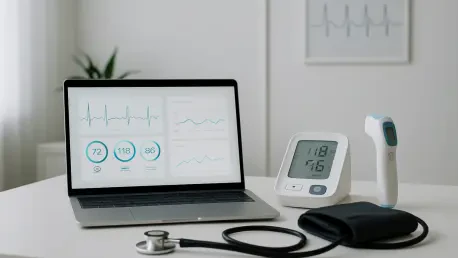
From a technical standpoint, the Electronic Frailty Index represents a highly sophisticated application of big data analytics within the modern medical infrastructure. The study details how specialized algorithms can parse through vast quantities of heterogeneous data—ranging from medication histories and diagnostic codes to previous encounter notes—to generate a singular, actionable score. This automated process is vital for the transition toward longitudinal monitoring, a proactive strategy that allows healthcare systems to track a patient’s health trajectory over several years. Instead of relying on a snapshot of health taken during a single office visit, the eFI provides a dynamic history that can reveal subtle trends and early signs of physiological decline long before a catastrophic event occurs. By identifying these patterns in the 2026-2030 timeframe, health systems can move from a reactive “sick-care” model to a truly preventative framework that addresses the root causes of frailty before they lead to permanent disability.
However, the researchers are careful to emphasize that the effectiveness of the eFI is entirely dependent on the quality and accessibility of the underlying digital infrastructure. If a patient’s medical history is siloed across multiple unconnected clinics or specialized practices, the resulting eFI score will be incomplete, leading to a false sense of security or an inaccurate assessment of risk. The study highlights the urgent need for enhanced data interoperability and the standardization of electronic health records across regional health networks. Furthermore, the implementation of these tools requires a new level of technical literacy among clinicians. An eFI score is not a definitive diagnosis; rather, it is a high-level risk indicator that should serve as a trigger for a more in-depth clinical conversation. Doctors must be trained to interpret these scores within the context of the patient’s individual life circumstances, ensuring that the data serves as a bridge to better care rather than a wall that separates the physician from the human being sitting in front of them.
Ethical and Public Health Implications
The implications of aligning self-perception with electronic frailty data extend far beyond individual clinical encounters, touching upon critical issues of public health and resource allocation. By accurately identifying and stratifying frailty within a community, health systems can strategically deploy resources to the individuals who need them most. This might include prioritizing high-risk patients for home-visit programs, specialized nutritional support, or physical therapy aimed at improving balance and strength. Such a data-informed approach to public health has the potential to significantly reduce the massive financial burdens associated with emergency hospitalizations and long-term institutional care. When the system can predict which individuals are most likely to suffer a fall or a sudden health collapse, it can intervene with relatively low-cost preventative measures that preserve the individual’s quality of life while maintaining the sustainability of the broader healthcare economy.
Ethically, the move toward automated health indexing introduces a set of complex challenges regarding transparency and the “digital divide.” As healthcare becomes increasingly reliant on algorithmic assessments, it is essential that patients are fully informed about how their data is being used to “score” their health status. Informed consent in the digital age must involve an explanation of how these indexes influence treatment options and insurance considerations. Moreover, there is a legitimate concern that older adults with lower digital literacy or those from marginalized communities may be at a distinct disadvantage if they cannot navigate the tech-heavy landscape of modern medicine. To prevent these advanced diagnostic tools from exacerbating existing health inequities, policy makers and technology developers must ensure that the eFI and similar metrics are implemented with a focus on accessibility and fairness. The goal is to create a system where data-driven insights empower every older adult, regardless of their technological proficiency or socioeconomic background, to age with the highest possible degree of support and dignity.
A New Paradigm for Geriatric Support
The conclusion of this research marks a transition toward a more nuanced and compassionate paradigm for supporting the aging population. By recognizing the inherent tension between subjective self-perception and objective electronic data, healthcare providers can now develop more sophisticated strategies for early intervention. The most effective path forward involves the integration of high-tech data analytics with high-touch clinical care, ensuring that the patient’s voice is never lost in a sea of algorithmic scores. Moving forward, health systems should implement routine frailty screening that includes both an automated eFI calculation and a standardized self-assessment questionnaire to identify discordance early in the care process. When a significant gap is discovered between these two metrics, it should trigger a multidisciplinary review involving primary care physicians, social workers, and mental health professionals to address the underlying psychological or cognitive drivers of the discrepancy.
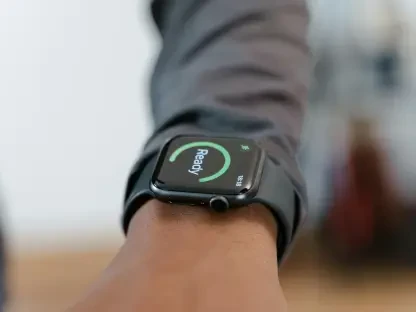
Furthermore, future developments in geriatric technology should focus on refining these models through the incorporation of real-time data from wearable devices. Tracking gait speed, sleep patterns, and daily activity levels in real-time could create a “dynamic” frailty index that updates more frequently than traditional medical records, providing an even more sensitive early warning system. For the patients themselves, the actionable takeaway was that maintaining an active dialogue with healthcare providers about their physical and mental well-being is more important than ever. By actively participating in the interpretation of their own health data, older adults can take a more proactive role in managing their frailty trajectory. This collaborative approach, rooted in the insights gained from the Barber-Fleming study, will ultimately lead to a healthcare environment where aging is managed with precision, empathy, and a profound respect for the individual experience. In the end, the goal is to utilize these digital milestones to ensure that every individual has the opportunity to navigate their later years with as much functional independence and quality of life as modern science can provide.