
Residents across the rugged landscapes of Cornwall and the Isles of Scilly are currently benefiting from a transformative shift in respiratory healthcare through the integration of sophisticated digital management tools. This initiative addresses the long-standing challenges of managing Chronic Obstructive Pulmonary Disease (COPD) and asthma within a geographically dispersed population. By providing free access to NHS-endorsed applications, the local healthcare system is moving toward a more proactive, patient-centered model that reduces the burden on traditional clinical infrastructure. This strategic rollout aligns with the broader goals of the NHS 10 Year Plan, which prioritizes digital integration as a means to help individuals manage long-term conditions with greater independence. The transition toward technology-assisted care ensures that high-quality medical guidance is no longer tethered strictly to physical clinics, allowing for a seamless flow of information between patients and the providers who monitor their progress from afar.
Advancing Patient Autonomy through Digital Platforms
Personalized Management Tools: The myCOPD and myAsthma Framework
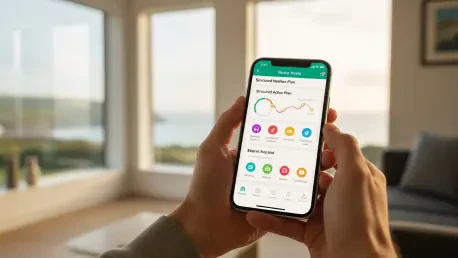
The implementation of the myCOPD and myAsthma applications represents a significant milestone in local healthcare, offering residents registered with a GP a suite of clinically validated resources at no cost. Available for download until May 2026, these digital platforms remain free for the lifetime of the user once they are registered, ensuring that financial barriers do not impede long-term health maintenance. These applications allow patients to create personalized asthma action plans and track environmental triggers that might exacerbate their symptoms, such as pollen counts or air quality fluctuations. By centralizing this data on a smartphone or tablet, users gain a clearer understanding of their health patterns over time, which facilitates more productive conversations during scheduled medical consultations. This level of transparency is essential for managing chronic respiratory issues where daily fluctuations can signal the need for minor treatment adjustments to prevent severe flare-ups.
Beyond simple tracking, these digital tools foster a sense of confidence among patients who might otherwise feel overwhelmed by the complexities of their diagnosis. Professional medical leaders in Cornwall, including Chief Medical Officer Chris Reid and consultant practitioner Rachel Williams, have emphasized the convenience these apps provide for daily symptom management. The ability to access professional guidance at any time helps mitigate the anxiety often associated with chronic lung diseases, as patients are equipped with the knowledge to react appropriately to changes in their breathing. This psychological benefit is as crucial as the physical monitoring, as it empowers individuals to maintain an active lifestyle while staying within safe health parameters. The digital-first approach also streamlines the communication process, as the apps generate data that can be shared directly with clinicians, providing a comprehensive view of a patient’s condition that goes far beyond a single snapshot taken during an infrequent office visit.
Clinical Support: Educational Resources and Pulmonary Rehabilitation
A cornerstone of this digital initiative is the inclusion of instructional content and pulmonary rehabilitation programs that were previously only available through in-person specialist sessions. The applications feature a library of educational videos created by NHS respiratory experts, focusing on critical skills such as proper inhaler technique, which is frequently cited as a major factor in treatment efficacy. Many patients unknowingly use their devices incorrectly, leading to sub-optimal medication delivery and increased symptom severity. By having 24-hour access to these visual guides, residents can refine their technique in the privacy of their own homes, ensuring they receive the full benefit of their prescribed medications. Furthermore, the guided pulmonary rehabilitation modules offer structured exercise and breathing routines designed to improve lung capacity and overall physical endurance, allowing patients to participate in therapeutic activities without the need to travel to a centralized hospital facility.
These platforms serve as a vital early-warning system, teaching users how to recognize the subtle signs of health deterioration before they escalate into medical emergencies. The educational materials are specifically designed to help patients distinguish between routine symptom fluctuations and indicators of a potential exacerbation that requires immediate clinical intervention. By intervening early, patients can often manage these episodes through their pre-established action plans, significantly reducing the necessity for emergency department visits and unplanned hospital admissions. This proactive approach not only improves the individual’s quality of life but also enhances the overall efficiency of the regional healthcare system by preserving emergency resources for the most critical cases. The integration of expert-led advice with real-time symptom tracking ensures that the advice provided is both scientifically sound and highly relevant to the user’s current physiological state, bridging the gap between clinical theory and daily practice.
Strategic Funding and Systemic Evolution
Financial Investment: The Pathway Transformation Fund Impact
The expansion of digital lung care in Cornwall is bolstered by a significant financial commitment through the NHS England Pathway Transformation Fund. This regional effort is part of a broader national strategy, with Cornwall and the Isles of Scilly being selected as one of only ten sites to benefit from a portion of a £2.61 million investment package. This funding is specifically designated to accelerate improvements in the treatment of asthma and COPD, allowing for the rapid deployment of technology that might otherwise take years to implement. The investment does not just cover software licensing; it supports a multifaceted approach to respiratory health that includes the training of clinical champions who can guide patients through the digital onboarding process. This ensures that the technology is accessible to all segments of the population, including those who may not initially feel comfortable using mobile applications for health purposes, thereby promoting equity in healthcare access across the entire county.
In addition to digital tools, the initiative integrates community-based support systems and tobacco dependency treatments to address the root causes and complications of lung disease. The Pathway Transformation Fund enables a holistic view of patient health, where app usage is complemented by physical interventions and counseling services. For instance, individuals identified as high-risk through their digital tracking can be prioritized for smoking cessation programs or assigned to local wellbeing coordinators. This coordinated effort ensures that the digital tools do not exist in a vacuum but are instead part of a comprehensive care pathway that addresses both lifestyle factors and medical management. By combining high-tech monitoring with traditional community support, the program creates a safety net that captures patient needs at various stages of their journey. This model of care demonstrates how targeted financial investment can catalyze systemic changes that lead to better health outcomes and a more resilient public health infrastructure.
Future Implementation: Expanding Access and Self-Management
Accessibility is a primary focus of the current rollout, which is why the program utilizes a direct self-referral process to bypass the need for traditional administrative hurdles. Residents can sign up for the services without waiting for a GP appointment, a move that reflects a growing consensus in the medical community regarding the efficacy of informed, proactive patient self-management. This streamlined entry point was designed to encourage early adoption among younger populations with asthma while remaining robust enough to support older adults with complex COPD needs. The ease of access ensures that the benefits of the digital tools are realized as quickly as possible, particularly for those living in remote coastal or rural areas where travel to a clinic is a significant undertaking. By removing these barriers, the program has successfully democratized high-level respiratory care, placing the same tools used by specialists directly into the hands of the people who need them most on a daily basis.
The successful integration of these digital platforms established a precedent for how long-term conditions should be managed in an increasingly tech-reliant society. Moving forward, healthcare providers in the region should focus on refining data integration techniques to ensure that information from these apps flows seamlessly into electronic health records for more precise clinical decision-making. Future considerations include expanding the scope of these tools to cover additional chronic conditions, thereby creating a unified digital health ecosystem. The initiative demonstrated that when patients were given the right resources, they achieved better control over their health and relied less on reactive care models. To sustain this momentum, local authorities must continue to promote digital literacy among all age groups and ensure that the infrastructure for these services remains robust and secure. By prioritizing these next steps, Cornwall can serve as a definitive model for other rural regions seeking to modernize their approach to chronic disease management.