
The relentless global surge of chronic diseases has created a public health crisis of unprecedented scale, with these non-communicable conditions now responsible for an alarming 73% of all deaths worldwide. In nations like India, the situation is particularly dire, as chronic illnesses account for more than half of all fatalities and a significant portion of disability-adjusted life years lost, placing an immense strain on resources and infrastructure. The traditional healthcare model, which is structured around episodic, in-person consultations, is fundamentally ill-equipped to address the complex, continuous, and highly personalized needs of individuals managing long-term health conditions. This systemic inadequacy has catalyzed an urgent and necessary evolution in healthcare delivery, paving the way for a new era where digital health technologies are not just augmenting but completely redefining chronic care management, shifting the focus from reactive treatment to a more sustainable, proactive, and patient-centric approach.
A New Toolkit for Continuous Care
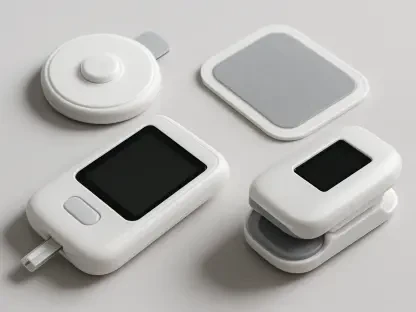
At the forefront of this healthcare evolution is a powerful suite of integrated technologies designed to provide uninterrupted patient support and data-driven insights. Remote Patient Monitoring (RPM) is a cornerstone of this new model, leveraging a network of wearables and connected medical devices to continuously track crucial vital signs such as blood pressure, glucose levels, heart rate, and oxygen saturation. This constant stream of real-time data empowers healthcare providers to detect subtle but significant signs of health deterioration long before they escalate into acute medical events, enabling timely and preventative interventions. This system of constant vigilance is seamlessly complemented by the widespread adoption of Telemedicine and Virtual Treatment platforms. These digital channels facilitate routine follow-up consultations and provide ongoing medical advice, effectively removing geographical barriers to care and ensuring that patients, particularly those in rural or remote areas, have consistent access to their care teams without the burden of frequent and often arduous travel to a hospital or clinic.
The intelligence that drives this modern chronic care ecosystem is derived from Artificial Intelligence (AI) and Data Analytics. These sophisticated systems act as the central nervous system, processing immense volumes of patient-generated data to uncover hidden patterns, forecast disease progression with remarkable accuracy, and provide invaluable support for complex clinical decision-making. AI-powered screening tools are also accelerating the diagnostic process, allowing for earlier detection of chronic conditions. Working in concert with these analytical engines are Digital Therapeutics (DTx), which represent a new class of medical intervention. These are evidence-based software programs prescribed by clinicians to help patients manage their own health more effectively. By providing personalized guidance on lifestyle modifications, improving medication adherence, and fostering positive behavioral changes, DTx solutions empower individuals to take an active and informed role in their long-term wellness, transforming them from passive recipients of care into engaged participants in their own health journey.
Building a Connected and Accessible Ecosystem
For this technological synergy to achieve its full potential, a foundation of seamless data exchange is absolutely essential. This is where Interoperable Health Information Systems, most notably integrated electronic health records (EHRs), play a critical and indispensable role. These systems are the digital backbone of a connected healthcare ecosystem, designed to ensure that a patient’s complete medical history can be securely and efficiently shared among different healthcare providers, specialists, and care settings. By breaking down the data silos that have long plagued traditional healthcare, interoperable EHRs facilitate the creation of holistic, coordinated treatment plans. This unified view of the patient prevents the kind of fragmented care that can lead to medical errors, redundant testing, and poor outcomes, ensuring that every member of the care team is working with the most current and comprehensive information available. This level of coordination is particularly vital in chronic care, where patients often see multiple specialists over many years.
Beyond the digital infrastructure, the physical reach of healthcare is being dramatically extended through innovations like Smart Devices and Assisted Care Kiosks, often referred to as Health ATMs. These strategically placed kiosks are bridging the critical “last-mile” gap in healthcare delivery, bringing essential services to underserved and remote communities that may lack traditional medical facilities. Equipped with a range of diagnostic tools, these self-service stations allow individuals to conduct routine health assessments, such as measuring blood glucose, checking blood pressure, performing an ECG, and calculating their BMI. Many of these kiosks also integrate telemedicine capabilities, enabling users to connect with a doctor for a virtual consultation immediately after their assessment. This fusion of physical and digital access is democratizing healthcare, making proactive health monitoring and early intervention a tangible reality for millions of people who were previously left behind by the conventional healthcare system.
A Paradigm Shift to Proactive Health
The thoughtful integration of these diverse digital technologies has fueled a fundamental and irreversible paradigm shift in chronic care, moving the focus away from a reactive model centered on treating acute events toward a system that is predictive, personalized, and deeply participatory. This technology-powered approach is already yielding significant and quantifiable benefits across clinical, economic, and systemic domains. Through continuous monitoring and data analysis, enhanced disease surveillance allows for the much earlier identification of potential complications, enabling interventions before a patient’s condition worsens. Simultaneously, digital tools foster a marked improvement in patient engagement and self-management capabilities, giving individuals the resources and confidence they need to adhere to medication schedules and adopt healthier lifestyle habits. This proactive stance directly translates into a notable reduction in costly emergency room visits and hospital admissions, which are major drivers of healthcare spending.
The real-world impact of this digital revolution is profoundly visible within the Indian healthcare landscape, where strategic initiatives are accelerating the adoption of these technologies to combat the nation’s immense chronic disease burden. Government-led programs are creating the foundational infrastructure for this transformation. The eSanjeevani telemedicine platform, for instance, has already delivered millions of virtual consultations, successfully bringing essential healthcare services to the doorsteps of people in remote villages who previously had limited or no access. In parallel, the Ayushman Bharat Digital Mission (ABDM) is constructing a unified digital health ecosystem designed to ensure that patient data can be shared securely and seamlessly across all points of care. These government efforts are powerfully supplemented by private sector innovation, such as the widespread deployment of Health ATMs and the development of indigenous smart diagnostic platforms, which have expanded specialized chronic care far beyond the confines of major urban centers, making healthcare more resilient, equitable, and prepared for the challenges of the future.