
The End of the Ten-Day Wait: A New Era for Primary Care
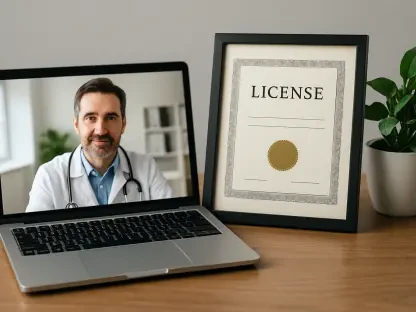
A patient navigating the agonizing wait for a physical exam finds that digital connectivity bridges the gap between symptoms and solutions instantly, transforming how we perceive the traditional medical visit. This evolution is most evident in the behavior of 150,000 members who have traded crowded waiting rooms for one-day appointment turnarounds. By prioritizing immediate digital access, these individuals are fundamentally changing the patient journey.
The shift in behavior suggests a growing preference for virtual screens over high-cost emergency room visits. Instead of waiting for local clinic slots, patients use mobile interfaces to address urgent health concerns from their homes. This transition reflects a broader trend where convenience drives medical decisions, effectively reducing the reliance on overextended physical infrastructure.
Why Traditional Healthcare Models Are Reaching a Breaking Point
Traditional healthcare models are increasingly unable to support rural residents and shift workers who face significant care gaps. Long commutes and rigid office hours often prevent timely medical attention, leading to worsened conditions. Consequently, emergency room over-utilization for non-emergency issues creates a systemic burden that the current infrastructure can no longer sustain.
Modern lifestyles demand equitable care that integrates seamlessly with daily routines. Geographic isolation should no longer dictate the quality of health outcomes or the speed of service. As pressure on systems intensifies, a flexible framework is essential to ensure no demographic is left behind by outdated delivery methods that favor urban centers.
Analyzing the Economic Impact and Efficiency of Virtual-First Models
Analyzing the impact reveals a 7% to 10% reduction in the overall cost of care. This efficiency stems from the “ER Diversion” effect, where a 10% drop in emergency visits stabilizes healthcare spending. By steering patients toward digital primary care, the system avoids the fees associated with hospital-based services.
Specialist wait times also fell from a 15-day average to just 72 hours. This streamlined approach allows for faster diagnoses and treatment plans, preventing minor issues from escalating. The success of the Virtual Blue initiative served as a catalyst for its expansion into Trio HMO plans, proving that digital integration is financially viable.
Proven Results: Bridging the Gap Between Quality and Convenience
Data shows 60% of members credit virtual options for avoiding expensive urgent care centers. Strategic partnerships with Accolade and TeleMed2U ensure these interactions maintain high-quality standards. These collaborations provide a robust clinical backbone, allowing patients to trust the advice they receive through a screen as much as a face-to-face consultation.
The viability of “no-cost” virtual services within a PPO network offers a compelling case for hybrid care. Members appreciate the ability to access specialists without financial barriers, which encourages proactive health management. This model promotes a culture of preventive care that benefits the entire medical ecosystem and reduces long-term complications.
Implementing a Scalable Digital-First Strategy for Modern Healthcare
Implementing a scalable strategy required frameworks that integrated virtual primary care into employer plans. This balance ensured that digital access complemented rather than replaced physical networks. By targeting underserved populations, the system prioritized health equity and reduced barriers for those with the most complex medical needs.
The roadmap focused on reducing the financial burden on both employers and members. Stakeholders streamlined workflows to ensure technology improved the doctor-patient relationship. The transition established a sustainable path for future medical innovations that emphasized efficiency and universal access across the state.