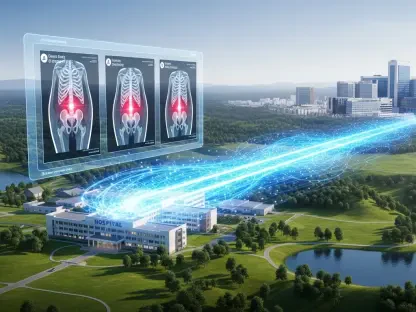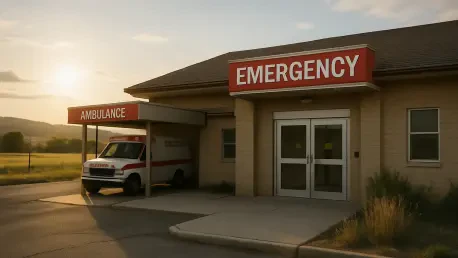

The persistent threat of overnight emergency room closures looms large over many small, remote communities, creating a palpable sense of anxiety for residents who depend on these facilities as their primary lifeline for urgent medical care. This challenge is not new, but it has been exacerbated by systemic issues, including a chronic shortage of physicians willing to endure the professional isolation and demanding on-call schedules inherent to rural practice. As a result, maintaining consistent, 24/7 emergency coverage has become an increasingly difficult puzzle to solve. In response to this crisis, a novel approach is being tested in British Columbia, one that leverages the power of virtual technology not to replace in-person care, but to augment and stabilize it. This innovative pilot program seeks to create a more sustainable healthcare ecosystem by blending the indispensable skills of on-site nurses with the expert guidance of remote emergency physicians, potentially offering a scalable blueprint for the future of rural medicine across North America.
A New Model for Rural Emergency Care
The Mechanics of Virtual Support
At the heart of this new initiative is the IH LINK-ED (Local Integrated Network for Emergency Departments) program, a carefully designed system rolling out in the four rural communities of Nakusp, Lillooet, Clearwater, and Princeton. The operational workflow is both simple and effective. When a patient presents at a participating hospital’s emergency department during overnight hours, they are first seen and assessed by a highly trained, on-site nurse. Following this initial triage, the nurse determines the urgency of the case. For conditions that are not immediately life-threatening, the nurse initiates a secure virtual consultation with an off-site emergency physician who can provide expert medical guidance via video or phone. This innovative staffing model allows a single remote physician, working from their home hospital, to simultaneously support up to three different rural emergency rooms during a single shift. A critical safeguard is built into the system: an on-call, in-person physician remains available in each community to respond immediately to any critical, life-threatening emergencies, ensuring that patient safety is never compromised and that the highest level of care is always accessible when seconds count.
Building on a Proven Foundation
This forward-thinking approach is not an untested experiment but rather an evolution of a model that has already demonstrated its value. The IH LINK-ED program builds upon the success of a previous virtual support initiative in Nakusp, known as VERRa, which was met with positive feedback from medical staff who reported significant improvements in both patient safety and care accessibility. This track record has earned the new pilot a strong endorsement from health officials, including Health Minister Josie Osborne, who has publicly referred to it as a “proven approach” to solving some of rural healthcare’s most persistent challenges. By adopting a framework that has already been validated in a real-world setting, Interior Health is strategically implementing a solution designed for longevity and effectiveness. The pilot is currently operating a few nights per week, with a clear roadmap to expand its services to provide full seven-day-a-week coverage by early 2026. To ensure the program is finely tuned to the needs of the communities it serves, the health authority is actively encouraging public input through a dedicated engagement website, fostering a collaborative process for refinement.
Addressing Systemic Healthcare Challenges
Combating Physician Burnout and Isolation
One of the most significant advantages of the virtual care model is its direct impact on the well-being of rural physicians. For years, the immense workload and profound professional isolation have been major contributors to burnout and high turnover rates among doctors in remote areas. Often, a single physician is responsible for round-the-clock emergency coverage, leading to exhaustion and making it difficult to maintain a healthy work-life balance. The IH LINK-ED program fundamentally restructures this dynamic by creating a shared responsibility model. It alleviates the pressure on local doctors by ensuring a qualified remote physician is available to handle less severe cases overnight, allowing the on-call physician to focus on true emergencies and get necessary rest. This collaborative network not only provides immediate support but also fosters a sense of connection, reducing the feeling of isolation. By making rural practice more sustainable and appealing, this initiative has the potential to improve physician recruitment and retention, ultimately leading to more stable and reliable healthcare services for the entire community.
Empowering Nurses and Strengthening Teams
Beyond supporting physicians, the hybrid care model significantly elevates the role of the on-site nursing staff, empowering them to practice at the full scope of their extensive training. In this system, nurses are the crucial frontline professionals who conduct initial patient assessments, initiate care protocols, and serve as the vital link between the patient and the remote physician. This increased autonomy and responsibility not only make their roles more professionally fulfilling but also leverage their clinical expertise to its maximum potential. The program fosters a more collaborative and less hierarchical relationship between doctors and nurses, creating a truly integrated care team that spans multiple locations. This network strengthens communication and cooperation between different hospitals and care providers across the region. The result is a more resilient and efficient healthcare ecosystem where every professional’s skills are fully utilized, leading to improved patient outcomes and a stronger, more connected regional health network prepared to meet the unique challenges of delivering care in remote settings.
A Blueprint for Resilient Rural Health
The implementation of the IH LINK-ED program marked a significant step toward redefining healthcare delivery in underserved regions. It demonstrated a pragmatic and innovative solution to the enduring problems of physician shortages and emergency room instability. By integrating virtual support with on-site clinical expertise, the initiative created a sustainable model that not only preserved access to critical care but also addressed the root causes of professional burnout. The program’s phased expansion and commitment to incorporating public feedback underscored a thoughtful approach to long-term success. Ultimately, this hybrid framework provided more than just a temporary fix; it offered a scalable and adaptable blueprint that other health authorities could look to when facing similar logistical and staffing crises. This initiative represented a pivotal moment, showcasing how technology, when thoughtfully applied, could forge a more resilient and connected future for rural medicine.