
The persistent nuisance of the medical clipboard has long remained a symbol of inefficiency and administrative stagnation within the modern healthcare landscape. Patients frequently find themselves tethered to waiting room chairs, repeatedly filling out the same demographic and insurance information that resides in several different databases already. To address this archaic bottleneck, the Centers for Medicare & Medicaid Services has championed the “Kill the Clipboard” initiative, a strategic push to modernize patient intake through ubiquitous digital tools. Leading the charge in this transition, eClinicalWorks has officially launched production support for this initiative, integrating advanced mobile solutions to replace paper-based systems entirely. By leveraging the eClinicalMobile application, the platform facilitates a seamless transition from physical forms to digital credentials. This shift not only streamlines the arrival experience but also addresses the fundamental disconnect between patient-provided data and the existing electronic health records.
Automating Data Exchange: The Mechanics of Digital Credentials
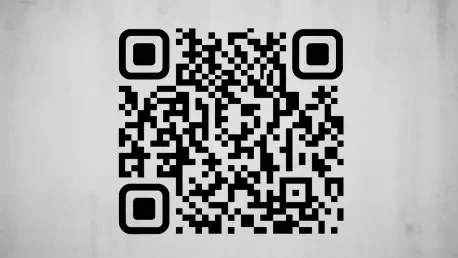
The mechanics of this digital transformation rely on a sophisticated interplay between interoperability networks and mobile encryption protocols. When a patient uses the mobile interface, the system retrieves relevant medical history and insurance details through secure exchanges, verifying identity before the clinical encounter begins. This data is then condensed into a secure digital key for the patient’s updated health profile, which clinicians can access instantly. Upon arrival at the clinic, the staff simply scans the generated code to populate the Electronic Health Record system with verified information. This automation effectively eliminates the manual transcription errors that often plague the intake process, such as misspelled medications or transposed digits in insurance IDs. Dr. Bradley Block, a practitioner in family medicine, noted that this immediate access to comprehensive data allowed for more focused and better-informed consultations. Such integration ensures that the most current data remains available exactly where it is needed most at the point of care.
The successful deployment of these automated workflows marked a significant milestone in the broader national effort to modernize healthcare administration. Moving forward, medical facilities prioritized the full integration of these digital credentials to ensure that patient information flowed seamlessly between diverse providers. The shift toward a paperless environment required clinic managers to audit their current software capabilities and ensure compatibility with modern interoperability standards. Stakeholders recognized that reducing the administrative burden on clinical staff was essential for improving the overall quality of care and operational efficiency. Organizations that adopted these scanning systems found that they could redirect resources from data entry to direct patient support. Future considerations included expanding these protocols to encompass pharmacy interactions and specialty referrals. By embracing these advancements, the industry finally moved beyond the limitations of manual documentation, establishing a more accurate and responsive ecosystem for clinical data management.