
The U.S. healthcare system’s persistent struggle with data fragmentation has created a complex web of disconnected information, where a patient’s complete medical history is often scattered across numerous provider offices, hospitals, and clinics using incompatible systems. This disjointed landscape presents a formidable barrier to effective care coordination, frequently leading to redundant tests, potential medical errors, and frustrated patients and providers alike. The urgent need for a unified, nationwide framework for health information exchange has never been more apparent. Addressing this challenge requires a fundamental shift towards interoperability—the seamless and secure exchange of health information—which is increasingly recognized as the cornerstone for building a more efficient, patient-centric, and value-based healthcare model that can truly deliver on the promise of modern medicine. The industry is now at a pivotal moment, where technological advancements and collaborative federal initiatives are converging to finally break down these long-standing information silos.
The Push for a Unified System
Overcoming Data Fragmentation
The core challenge within the American healthcare industry stems from a deeply entrenched system of information silos, where each healthcare facility often operates its own proprietary electronic health record (EHR) system. This lack of standardization means that crucial patient data, from lab results and imaging studies to medication histories and specialist notes, cannot flow freely between different points of care. When a patient moves from a primary care physician to a specialist or is admitted to a hospital, their medical records do not automatically follow them in a coherent, usable format. This fragmentation forces clinicians to make critical decisions based on incomplete information, which can compromise patient safety and lead to suboptimal outcomes. The administrative burden is also immense, with staff spending countless hours faxing, printing, and manually re-entering data, a process that is not only inefficient but also prone to human error, further complicating the path to coordinated and effective treatment.
In response to these systemic inefficiencies, a powerful industry-wide trend toward embracing comprehensive data-sharing frameworks has gained significant momentum, propelled by both technological innovation and targeted federal initiatives. The recognition that interoperability is not merely a technical ideal but a clinical necessity has spurred healthcare organizations to move beyond isolated systems. This shift is foundational to the transition towards value-based care, a model that rewards providers for positive health outcomes rather than the volume of services rendered. Achieving these outcomes is nearly impossible without a holistic view of the patient’s journey. Consequently, leading healthcare technology companies and providers are now actively participating in building a national infrastructure for data exchange, recognizing that a collective commitment is required to dismantle the barriers that have long hindered progress and create a truly connected healthcare ecosystem for the benefit of all stakeholders.
Pioneering Interoperability Solutions
A significant stride in establishing this national infrastructure was marked by the achievement of a Qualified Health Information Network (QHIN) designation, a critical component of the Trusted Exchange Framework and Common Agreement (TEFCA). Spearheaded by the Office of the National Coordinator for Health Information Technology (ONC), TEFCA outlines a common set of principles and technical requirements to enable the secure exchange of health information across disparate networks. Companies like eClinicalWorks, through its PRISMANet service, have attained this designation, positioning them as key conduits in this nationwide network. This certification is far more than a technical achievement; it signifies a commitment to a higher standard of data sharing, empowering users to seamlessly and securely exchange patient records with a vast network of providers, including hospitals, outpatient clinics, and long-term care facilities that are also part of the expansive TEFCA network, thereby directly addressing the problem of isolated data.
Further demonstrating a commitment to industry-wide collaboration, key stakeholders have actively engaged with federal efforts to standardize data exchange. At the White House launch of the CMS Digital Health Tech Ecosystem initiative, leading healthcare technology providers, including eClinicalWorks, introduced a comprehensive interoperability framework designed to establish new industry benchmarks. As a tangible pledge to this initiative, the company committed to fully supporting and implementing the CMS Interoperability Framework. This move is designed to empower patients, providers, and their associated applications with real-time access to health information. A particularly forward-thinking aspect of this commitment is the pledge to eliminate the antiquated use of paper-based clipboards for patient intake, instead enabling systems to accept patient data digitally through modern methods such as QR codes and Smart Health Cards, streamlining administrative workflows and improving data accuracy from the very first point of contact.
The Transformative Impact of Connected Data
Empowering Patients and Enhancing Care
One of the most profound benefits of a fully interoperable healthcare system is the empowerment of the patient. By implementing new strategies that grant individuals direct and unfettered access to their own health information, the dynamic between patient and provider is fundamentally transformed. When people can easily view their complete medical records, including lab results, diagnoses, and treatment plans, it fosters a new level of engagement and transparency. This access equips them to better understand their health conditions, actively monitor their progress, and participate in shared, informed decision-making with their healthcare team. An empowered patient is more likely to adhere to treatment regimens and make proactive lifestyle choices, becoming a true partner in managing their own well-being. This shift from passive recipient to active participant is a cornerstone of a more effective and patient-centric model of care delivery, where transparency builds trust and collaboration leads to better health outcomes for everyone involved.
Beyond the significant benefits for patients, interoperability provides substantial advantages for clinicians at the point of care, dramatically enhancing the continuity and quality of treatment. When healthcare providers have immediate access to a patient’s complete and up-to-date medical history, the risk of errors diminishes while the potential for accurate diagnosis increases. For example, a cardiologist preparing to see a new patient can review comprehensive records from a recent primary care visit, including recent lab results, imaging studies, and notes from other specialists. This holistic view allows for a more precise diagnosis and a tailored treatment plan, crucially avoiding redundant and costly testing that can delay care and frustrate patients. This seamless flow of information ensures that every member of a patient’s care team is working from the same playbook, which is essential for managing complex cases and ensuring safe, coordinated transitions between different care settings, ultimately leading to a higher standard of medical practice.
The Future AI-Powered Clinical Insights
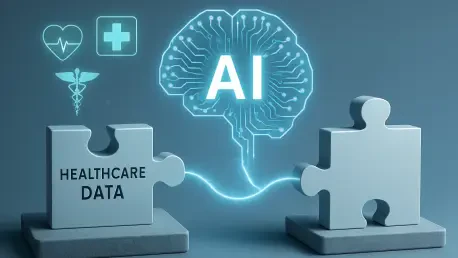
The journey toward a fully connected healthcare system is now being accelerated by the integration of Artificial Intelligence, which is set to revolutionize interoperability and clinical data management. AI-powered tools are emerging as a key advancement for providing real-time access to a patient’s health information in a far more digestible and actionable format. The challenge has often been not just accessing data, but making sense of the sheer volume of it. AI assistants, such as the one developed for PRISMA, eClinicalWorks’ health information search engine, are designed to solve this problem. These tools use sophisticated algorithms to intelligently sift through, summarize, and highlight the most salient details from large, complex volumes of patient data aggregated from various sources, regardless of the original Electronic Health Record (EHR) system used. This capability makes it significantly easier and faster for providers to review a patient’s history and grasp the critical aspects of their care journey in moments.
The tangible impact of this AI-driven technology was demonstrated at facilities like Blue Bonnet Family Medicine Health and Wellness Clinic, a family practice in Texas that implemented such an AI assistant. The clinic reported that the tool enabled them to better serve patients and save several minutes on each appointment, a clear indication of gains in clinical efficiency that translate directly to improved patient care. The evolution toward a fully interoperable healthcare system represented a fundamental paradigm shift, requiring a collective commitment from all healthcare entities—including hospitals, nursing homes, and medical practices—to prioritize secure and seamless data sharing. This collective move has dramatically enhanced clinical decision-making, helped curb unnecessary healthcare costs, and, most importantly, empowered patients to become active participants in managing their own health, marking a significant step toward a more sustainable and effective system.