
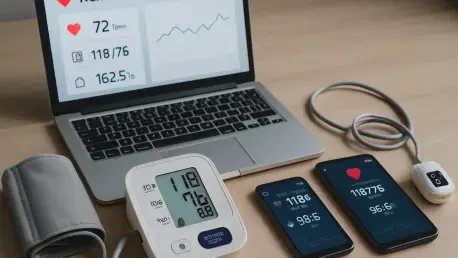
In the rapidly shifting landscape of healthcare, Remote Patient Monitoring (RPM) and Chronic Care Management (CCM) programs under Medicare have emerged as potential game-changers for managing chronic conditions and supporting aging populations. These initiatives were designed with a dual purpose:

Imagine a cutting-edge generative AI system producing jaw-dropping content—be it realistic images, insightful text, or innovative code—only to falter because the underlying data is flawed. This scenario is all too common in the rapidly evolving field of artificial intelligence, where the spotlight

In an era where healthcare precision is paramount, the global market for in vitro diagnostics (IVD) quality control is experiencing remarkable growth, driven by an urgent need for accurate and reliable diagnostic testing. With chronic and infectious diseases on the rise, alongside rapid
In an era where digital platforms have become a primary outlet for personal expression, the alarming rise in mental health challenges among students demands innovative solutions that can keep pace with the scale and complexity of the issue. Recent data paints a stark picture: post-pandemic, mental
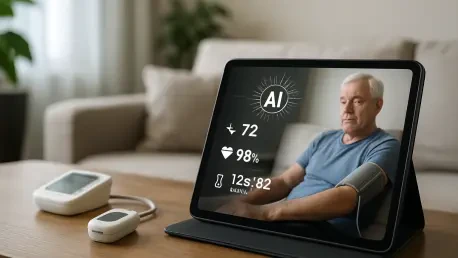
Imagine a future where a simple wearable device on your wrist not only tracks your daily steps but also anticipates a medical emergency before any symptoms become apparent, alerting healthcare providers instantly. This is not a distant dream but a tangible reality that Artificial Intelligence (AI)
In a groundbreaking stride toward better emergency care, hospitals and emergency medical services (EMS) along Utah’s Wasatch Front have embraced a transformative approach to patient treatment through data sharing, redefining how critical information flows between field responders and medical
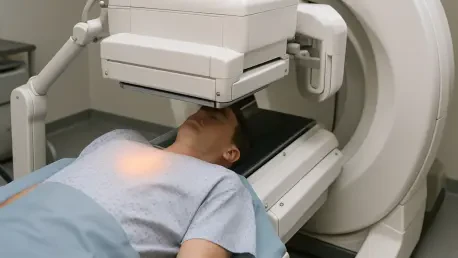
Imagine a scenario where surgeons can peer into the molecular landscape of breast cancer during an operation, pinpointing malignant cells with unprecedented accuracy, a reality now unfolding through radionuclide imaging. This transformative technology enhances breast-conserving surgery (BCS),

In an era where mental sharpness is increasingly valued, brain training apps have surged in popularity, promising to enhance cognitive skills like memory, focus, and problem-solving through just a few minutes of daily digital exercises. These platforms, often marketed with claims of scientific
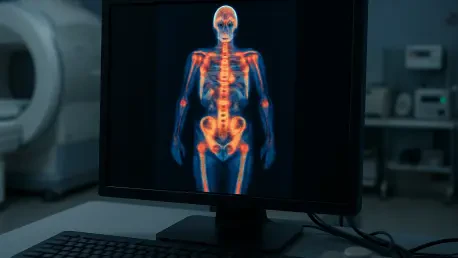
Imagine a future where robots, initially designed to navigate the perilous environments of nuclear facilities, are seamlessly integrated into hospital wards, assisting with surgeries, transporting medical supplies, and ensuring patient safety in ways previously thought impossible. This scenario is
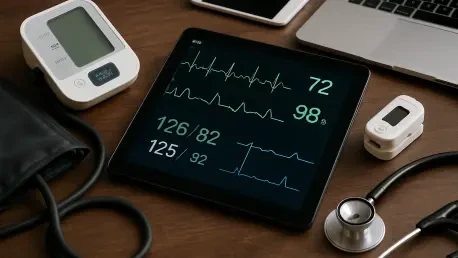
Imagine a healthcare system where patients with chronic conditions no longer need to make frequent hospital visits, yet their health is closely monitored in real time, leading to better outcomes and reduced costs. This vision is becoming a reality in the United States, thanks to the rapid adoption


